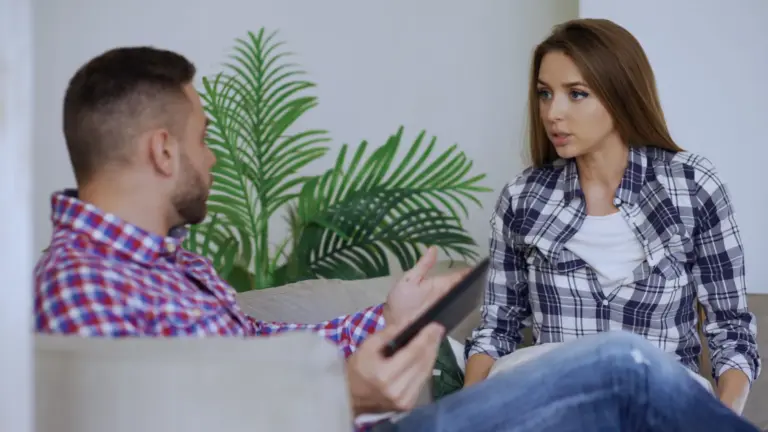
Whether to stay together after infidelity is a deeply personal decision, especially for the partner who was betrayed, and relationship experts say there is no single right answer. Guidance from the Gottman Institute and the American Psychological Association points to a common thread: Whether a couple can rebuild depends less on the infidelity itself and more on what each partner does afterward.
This guide walks through the stages experts use to help couples figure out whether repair is possible, and what that repair actually requires from both people.
Step 1: Understand That Infidelity Looks Different Today
Before deciding anything, it helps to know that the line around what counts as cheating has shifted. Clinical psychologist Janis Spring, a best-selling author who specializes in intimacy, trust and forgiveness, told the APA’s Monitor on Psychology that technology has blurred the definition.
“In today’s world, it just takes a click of the button to connect. Is cheating when you have intercourse with somebody, or is it when you are secretly chatting? There are so many degrees of crossing the line,” Spring said.
Relationships themselves are changing, too. A 2023 YouGov survey of 1,000 American adults found that 45% described their ideal relationship as something other than “completely monogamous,” the Monitor reported. And a 2025 survey from the American Enterprise Institute’s Survey Center on American Life found that 57% of young women and 44% of young men believe infidelity in committed relationships is “extremely common” or “very common.” Together, those numbers suggest there is no longer one shared rulebook, which makes it all the more important for each couple to define where their own line sits.
Step 2: Recognize the Trauma Response in Yourself
Spring described the loss that follows discovery in stark terms.
“When you discover your partner has been unfaithful, you don’t just lose your partner. You don’t just lose the idea of what you thought you shared with this person. You lose something more basic and essential. You [can] lose yourself,” she told the Monitor.
That reaction can look a lot like trauma. In a post for the Gottman Institute’s blog, certified Gottman therapist Mac Stanley Cazeau writes that hurt partners commonly experience symptoms resembling post-traumatic stress disorder, such as hypervigilance, flashbacks and difficulty sleeping. Galena Rhoades, who directs the University of Denver’s Institute for Relationship Science, told the Monitor that betrayal can produce experiences that look like PTSD and may need treatment of their own. Recognizing these as a trauma response, rather than personal weakness, is part of deciding what comes next.
Step 3: Weigh the Unfaithful Partner’s Accountability
A key factor in whether repair is possible is what the unfaithful partner is willing to do. The Gottman Institute’s affair recovery model, which John and Julie Gottman call the Trust Revival Method, starts with a phase called Atonement. According to Cazeau, that means the partner who strayed ends all contact with the affair partner right away and offers full transparency, including sharing passwords, whereabouts and other details as needed.
Accountability goes beyond the apology. Cazeau stresses that atonement is not a one-time “I’m sorry” but a pattern of reliable actions over time. A separate three-stage approach, developed by psychologists Kristina Coop Gordon, Donald H. Baucom and Douglas K. Snyder, likewise asks couples to work through what led to the infidelity once the immediate damage is contained. Without that level of ownership, trust-building has little foundation.
Step 4: Set Ground Rules for Talking About It
Couples attempting to rebuild need structure around how and when the infidelity gets discussed. Cazeau recommends setting aside dedicated times to talk about the affair, ideally somewhere that feels safe, such as a therapy session, instead of bringing it up during unrelated fights. That containment can keep the hurt partner’s pain from bleeding into every disagreement while still giving it a place to be heard.
Step 5: Rebuild Communication Before Rebuilding Everything Else
The second phase, Attunement, centers on swapping destructive communication habits for healthier ones, like sharing feelings gently instead of going on the attack and making a point of noticing and appreciating what the other person does right. Cazeau describes one couple who set aside 10 minutes every evening to trade the best and worst parts of their day, a small habit that slowly brought them back together emotionally.
Attunement is also where couples begin examining what made the relationship vulnerable in the first place, without blaming the relationship for the affair itself.
Step 6: Reconnect Through Small, Consistent Rituals
In the final phase, Attachment, couples lean on what the Gottmans call rituals of connection: everyday check-ins, holding hands on a walk or leaving each other a loving note. These low-stakes habits are meant to rebuild a felt sense of safety over time rather than force trust back all at once.
Physical intimacy follows the same gradual, communicative approach. Cazeau suggests some couples may need to begin with non-sexual touch and build from there only as both partners feel safe.
Step 7: Use a Simple Gut Check for Ongoing Behavior
For couples trying to agree on what is and is not acceptable going forward, Spring offers a practical test, as long as the relationship is free of extreme or coercive control: Picture how your partner would feel watching what you are doing.
“If your partner were in the room witnessing what you are doing, and they were feeling extremely uncomfortable, you might consider that you’re doing something wrong. In other words, see it through their eyes,” Spring told the Monitor.
Step 8: Remember That Discovery Does Not Automatically Mean the End
A 2023 study of Ashley Madison users, led by social-personality psychologist Dylan Selterman and published in the Archives of Sexual Behavior, found that most people seeking affairs on the site were not driven mainly by unhappiness in their relationships, and many reported little remorse afterward. The sample, made up of people actively using an affair website, does not represent every relationship, but the finding complicates any assumption that infidelity always signals a doomed partnership. Selterman suggests betrayed partners consider a different way of looking at it: “My partner had an affair, but that doesn’t mean our relationship is doomed.”
Gordon, Baucom and Snyder’s model points the same direction. It approaches the affair’s aftermath the way a clinician would approach trauma, moving couples from containing the damage, to understanding what led to the betrayal, to deciding what their future should look like, if they stay together at all. Healing is a process rather than a single verdict delivered the day the betrayal is discovered.
What This Framework Does Not Decide for You
None of these stages tells a betrayed partner whether to stay or go. They describe what rebuilding requires if both people choose to attempt it: accountability from the unfaithful partner, structured space to process pain, rebuilt communication and gradual reconnection.
Help is easier to find than it used to be, too. The U.S. Bureau of Labor Statistics projects employment of marriage and family therapists will grow 13% from 2024 to 2034, much faster than the average for all occupations. Even so, Rhoades told the Monitor that therapists with specific training in infidelity remain scarce, so it is worth asking any prospective counselor directly about their experience with affair recovery.
Anyone weighing whether to stay in a relationship after infidelity can use these steps as a map of what genuine repair looks like, then decide for themselves whether their partner, and their own capacity to trust again, meet that standard. A licensed therapist or counselor trained in couples work can help apply this framework to an individual situation.
Disclaimer: This article is intended for informational purposes only and does not constitute professional advice, diagnosis, or treatment. If you are experiencing significant relationship challenges or emotional distress, please consult a licensed therapist, counselor, or mental health professional.
 Don't stop here
Every Score. Every Story. One Home.
Breaking sports, entertainment and news from across the Total Apex network, updated all day.
Get the Full Story →