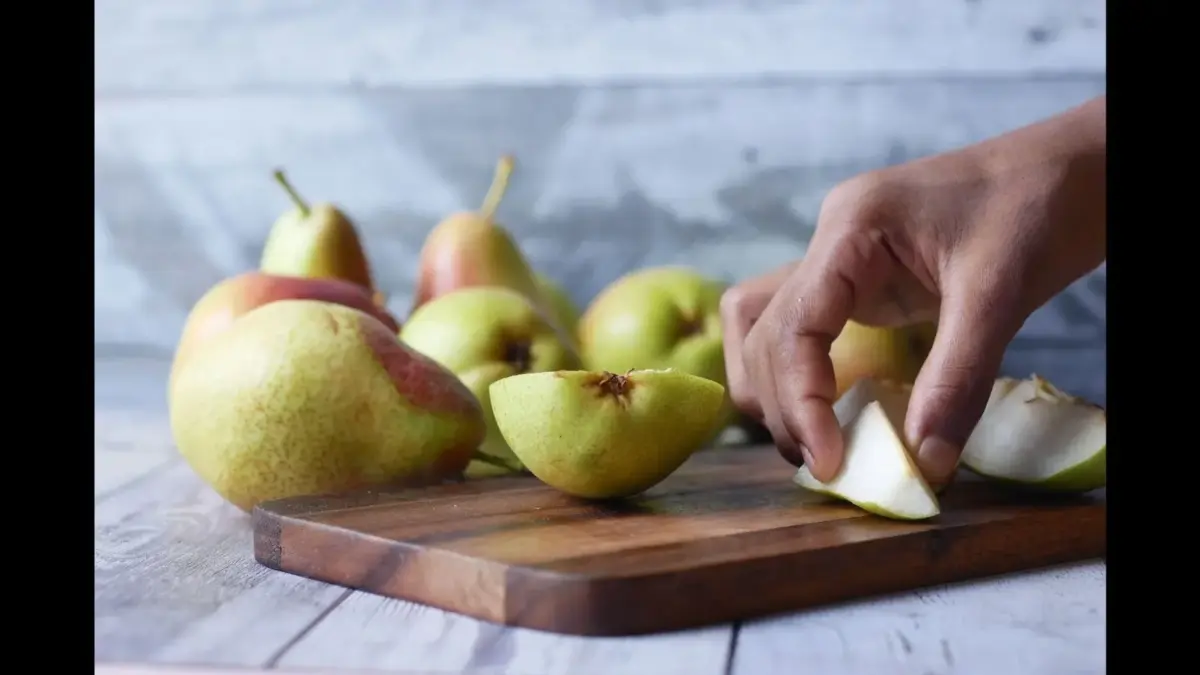
Fall produce season has a quiet standout, according to one dietitian: the pear. Natalie Rizzo, a New York City-based dietitian, founder of Greenletes and author of “Planted Performance,” says pears deliver a meaningful dose of fiber and antioxidants, much of it concentrated in the part of the fruit many people peel away and toss.
One pear contains 6 grams of fiber, according to Rizzo, and the majority of that fiber sits in the skin. That detail matters for anyone trying to get the most nutritional value out of the fruit bowl this season.
What Makes Pears A Source Of Fiber And Antioxidants
Along with fiber, pear skin contains vitamin C and polyphenols, which are plant compounds that function as antioxidants, Rizzo says. Fiber supports gut health and helps regulate digestion. Polyphenols, meanwhile, can reduce inflammation and support heart health.
Pears are not alone in this pattern. Rizzo points out that apple skin works the same way, holding the majority of an apple’s fiber along with a potent antioxidant called quercetin. Quercetin carries anti-inflammatory properties that may help protect heart health, according to Rizzo.
Nutrition Facts Versus The Dietitian’s Advice
It helps to separate what is measured from what is recommended. The fiber content, the presence of vitamin C and polyphenols in pear skin, and the quercetin found in apple skin are nutrition facts tied to the fruit itself. Rizzo’s guidance, drawn from those facts, centers on a simple idea: eating the skin rather than peeling it off preserves more of the fiber and antioxidants a pear or apple has to offer.
A Simple Rule For Fall Fruit
The practical takeaway from Rizzo’s comments is straightforward. Skip the peeler. Washing a pear or apple and eating it skin-on keeps the fiber and plant compounds intact instead of discarding them in the trash.
For households already thinking about fall meals and snacks, that one habit costs nothing extra and requires no new shopping list. It simply changes how an already-purchased piece of fruit gets prepared before it is eaten.
What To Know Before Changing Your Routine
Rizzo’s comments, reported by Today, focus specifically on the skin-on approach to pears and apples rather than broader intake targets. Anyone with questions about how much fiber they personally need, or how fruit fits into a specific health condition, should talk to a doctor or registered dietitian before making major changes to their diet.
For more fall food and lunch ideas, readers can check out nut-free sunflower butter sandwich ideas, tips on packing a school lunch that stays fresh, or a look at trendy drinks showing up on cafeteria menus.
Disclaimer: This article is intended for informational purposes only and does not constitute medical advice, diagnosis, or treatment. Always consult with a qualified healthcare provider regarding any questions or concerns you may have about your health or a medical condition. Never disregard professional medical advice or delay seeking it because of something you’ve read here.
 Don't stop here
Every Score. Every Story. One Home.
Breaking sports, entertainment and news from across the Total Apex network, updated all day.
Get the Full Story →