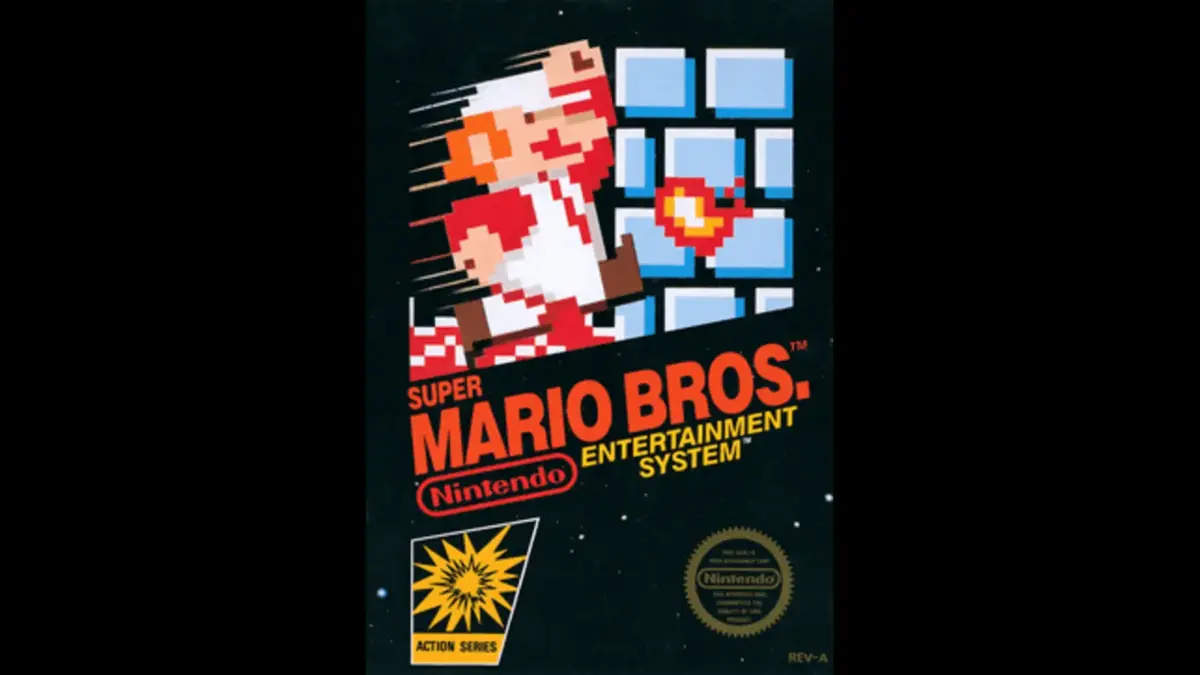
Nintendo wants to hire someone to remember things for it. A 12-month contract digital archivist gig just went up on the careers page, and it is hybrid in Redmond, Washington, not some secret vault under Kyoto. Who knew a company sitting on more than a century of history, and five decades of video games, needed a librarian with a tape recorder and a badge that gets them into the engineering building?
The Mission Statement Is Very Nintendo
The job exists to build an internal database of Nintendo‘s old platforms, pulling together the engineering paperwork, technical records and source materials that explain how those machines actually worked. Someone gets paid to dig through boxes of hardware notes and interview the people who actually built the stuff.
Requirements include a relevant bachelor’s degree or equivalent experience, at least two years in digital archiving or records management, and the stomach to ask a retired engineer what a specific wire did in 1985. The listing says the goal is to keep historical information “discoverable, usable, and preserved for future generations.” Noble. Also, the first time Nintendo has ever used the word discoverable without a lawyer in the room.
Duties Include Taxonomy and Torture
The duties section reads like someone emptied a library science textbook into a blender and hit puree. Design metadata schemas. Develop taxonomies and controlled vocabularies. Establish relationships between platforms, software, peripherals and technical specifications.
My favorite line is to translate informal knowledge into structured documentation. That means sitting down with a longtime employee, listening to him say the word well 40 times, and turning it into a searchable record. Good luck with that. The man has been guarding that knowledge since the Reagan administration, and he is not about to hand it over to a contractor who has to pay for parking.
The Repository Needs a Moat
The archivist also has to build a searchable repository that engineering, legal, product development, research and business teams can all use. Five different departments. Five different ideas about what the word platform means. Legal will want every document tagged with a threat level. Product development will want it tagged with a launch window.
Engineering will want it tagged with a part number that no longer exists and never appeared in any public documentation. Someone has to referee that mess, and that someone is a temp. Contractors do not get to skip meetings. Contractors do not get to skip anything.
A Question Worth Asking
Does any of this fix the actual preservation problem? Not remotely. A 2023 study from the Video Game History Foundation found that 87% of classic games released in the United States are critically endangered, meaning they are not currently available through any legitimate commercial channel. That is not over half. That is nearly nine in ten.
Nintendo has spent years sending lawyers after emulation projects, including the 2024 lawsuit against Tropic Haze, the developer behind the Switch emulator Yuzu, which ended with a $2.4 million settlement and the project shutting down. I will say the quiet part loud and keep saying it: this archive is for Nintendo, not for you. It is an internal reference tool for engineers and lawyers and product managers. The public does not get a login.
Institutional Knowledge Has a Half-Life
The research and knowledge capture section is where the real drama lives. Interview subject matter experts. Interview long-tenured employees. Capture institutional knowledge before it walks out the door and retires to a house with a garden and a phone that only rings when someone from the archive calls.
This is the most urgent part of the whole listing. Every year that passes, another engineer forgets which chip revision caused the overheating issue. Another producer forgets why a certain peripheral got canceled three weeks before launch. Nintendo is racing the clock here, and the clock is winning because the clock always wins.
Governance Is a Fancy Word for Rules
Then there is governance and documentation standards, which means writing down the rules for how the archive runs. Documentation standards. Archival procedures. Data quality and metadata consistency. Long-term retention strategies. This is the part of the job where you discover that three departments have been using three different names for the same console for 20 years and nobody wants to admit it in writing.
Somewhere in a conference room, a meeting about naming conventions will run 90 minutes past schedule and end with a decision to form a subcommittee. The archivist will attend all of them. The pay range is $35 to $55 an hour, and the benefits are provided through the employing agency, which is its own kind of archive.
The Leopard Has Not Changed Its Spots
My bias, stated plainly: I do not trust Nintendo to preserve anything it cannot sell twice. This is the same company that opened the Nintendo Museum in Uji, Kyoto Prefecture, on Oct. 2, 2024, where visitors can look at old hardware behind glass and build a custom hamburger at the museum cafe. The museum is lovely. I have seen the photos. It is also a carefully curated retail experience with a StreetPass bonus for people who bring a 3DS.
A 12-month archive contract is a good start and also a rounding error against five decades of video game history. The listing does not mean emulation policy is changing. It does not mean the Virtual Console is coming back. It means Nintendo wants its own records in order, which is a thing every company should want and also a thing Nintendo should have done in 2004 instead of 2026.
A Contract Is a Contract
Twelve months. One archivist. A hybrid schedule in Redmond and a bachelor’s degree and a willingness to ask uncomfortable questions about old hardware. That is the whole plan. If the database is half as thorough as the legal department that will inevitably audit it, the project will be a triumph.
If the contractor spends the year building taxonomies that nobody uses and interviewing engineers who refuse to talk, the listing will quietly expire, and the job will vanish from the careers page without a trace. Either way, I will be watching. Mostly because I want to know what is in those boxes, and I suspect Nintendo will never tell me.
 Don't stop here
Every Score. Every Story. One Home.
Breaking sports, entertainment and news from across the Total Apex network, updated all day.
Get the Full Story →