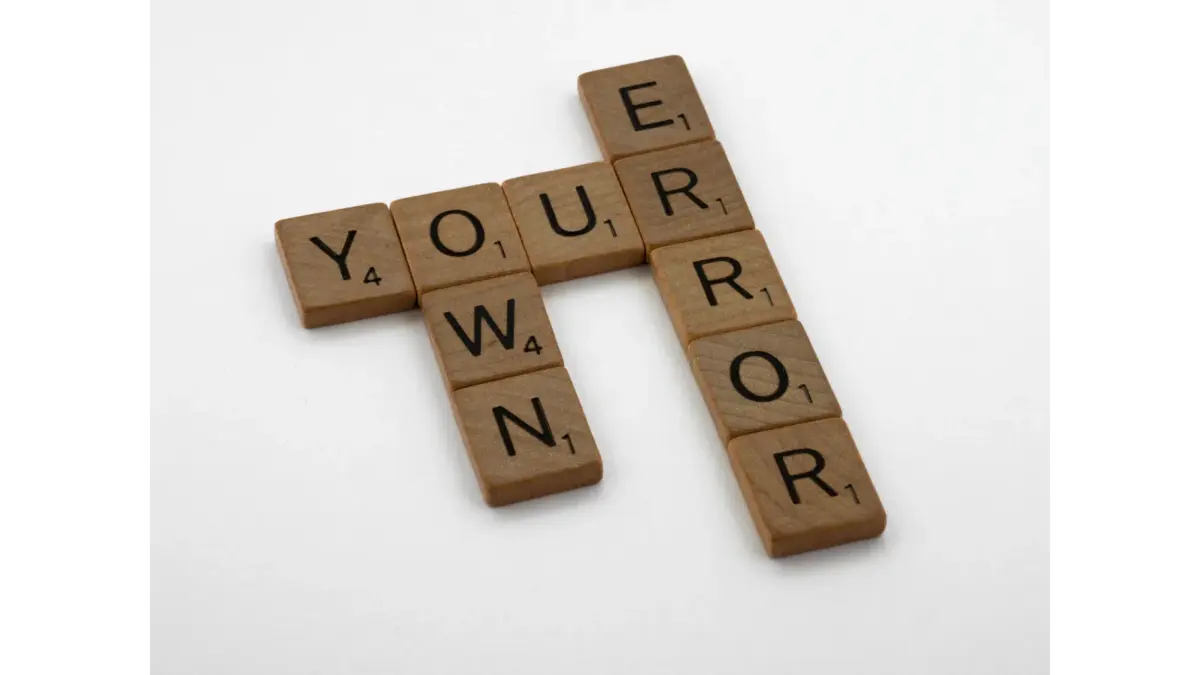
Somewhere in your past, you said a phrase wrong with total confidence. Maybe you still do. Misheard phrases are the quiet comedy of everyday speech, and they’ve slipped into our conversations, our jokes, and even our dictionaries without anyone filing a complaint.
Why Misheard Phrases Stick Around
Listening is mostly guesswork. Your brain catches a few sounds, checks them against what makes sense, and hands you a finished sentence before you asked for one. If the guess fits the conversation, nothing flags it as wrong, so you carry it around for twenty years.
That’s why “for all intents and purposes” turns into “for all intensive purposes” so easily. Both sound fine at normal speaking speed, and nobody pauses a conversation to double-check.
Meet The Mondegreen
The official term is mondegreen, and it comes from a 1954 essay by writer Sylvia Wright. As a kid, she heard a Scottish ballad where an earl is killed and “laid him on the green.” Her young ears picked up “Lady Mondegreen,” a second victim who died right beside him. It’s a great detail, and a kid’s brain invented all of it.
What gets me is how reasonable the mistake was. Wright didn’t hear gibberish. She heard a story, and she preferred hers. Most misheard phrases work the same way, because the wrong version often makes a weird kind of sense.
Misheard Phrases People Still Defend
A few greatest hits:
“Escape goat” for scapegoat
“I could care less” → “I couldn’t care less.”
“Mute point” for moot point
“Wreck havoc” for wreak havoc
“Doggy dog world” for dog-eat-dog world
Point any of these out and watch someone get defensive. Few things are more human than arguing for a mistake you’ve made since middle school, because admitting it feels worse than being wrong.
Gamers Know This Pain

Voice chat is a mondegreen factory. You’ve got compressed audio, a cheap headset, and a teammate eating chips while calling out enemy positions. “Flank left” becomes “thank Jeff,” and now the whole squad is wondering who Jeff is while the other team walks right in. Bad hearing has ended more matches than bad aim, and nobody wants to admit it.
When The Mistake Wins
Language doesn’t care who was right first. It cares what people actually say. Plenty of expressions we use without thinking started as slips that spread until they felt normal. Once enough speakers adopt the new version, dictionaries add it, and everyone acts like it was always there.
Think of it as a group project where half the team skipped the meeting and the final result still got an A.
Why Misheard Phrases Are Worth Laughing At
Finding out you’ve been wrong for years stings for about five seconds. Then it’s funny. Mention a misheard song lyric at a table and watch everyone else confess theirs. Suddenly a room full of adults is admitting they thought a famous chorus was about something completely different, and nobody feels dumb anymore.
These mistakes also show how we listen. We don’t just hear sounds, we build meaning out of them, and sometimes the building goes sideways. That habit is annoying when it costs you a round, but it keeps language loose, flexible, and a little bit ridiculous.
Feel free to stick with “intensive purposes,” but just know it’s still wrong. Plenty of people are in the same boat, and the rest are quietly searching it up right now.
The Last Word on Misheard Phrases
We’ve all botched a phrase and lived to talk about it, laugh at the slip, fix it if you care, and keep talking. Misheard phrases prove language survives on mistakes like these, and truthfully, it’s better for it.
 Don't stop here
Every Score. Every Story. One Home.
Breaking sports, entertainment and news from across the Total Apex network, updated all day.
Get the Full Story →
Don't stop here
Every Score. Every Story. One Home.
Breaking sports, entertainment and news from across the Total Apex network, updated all day.
Get the Full Story →