
Walmart digital shelf labels: Huge boost cuts 2-day task

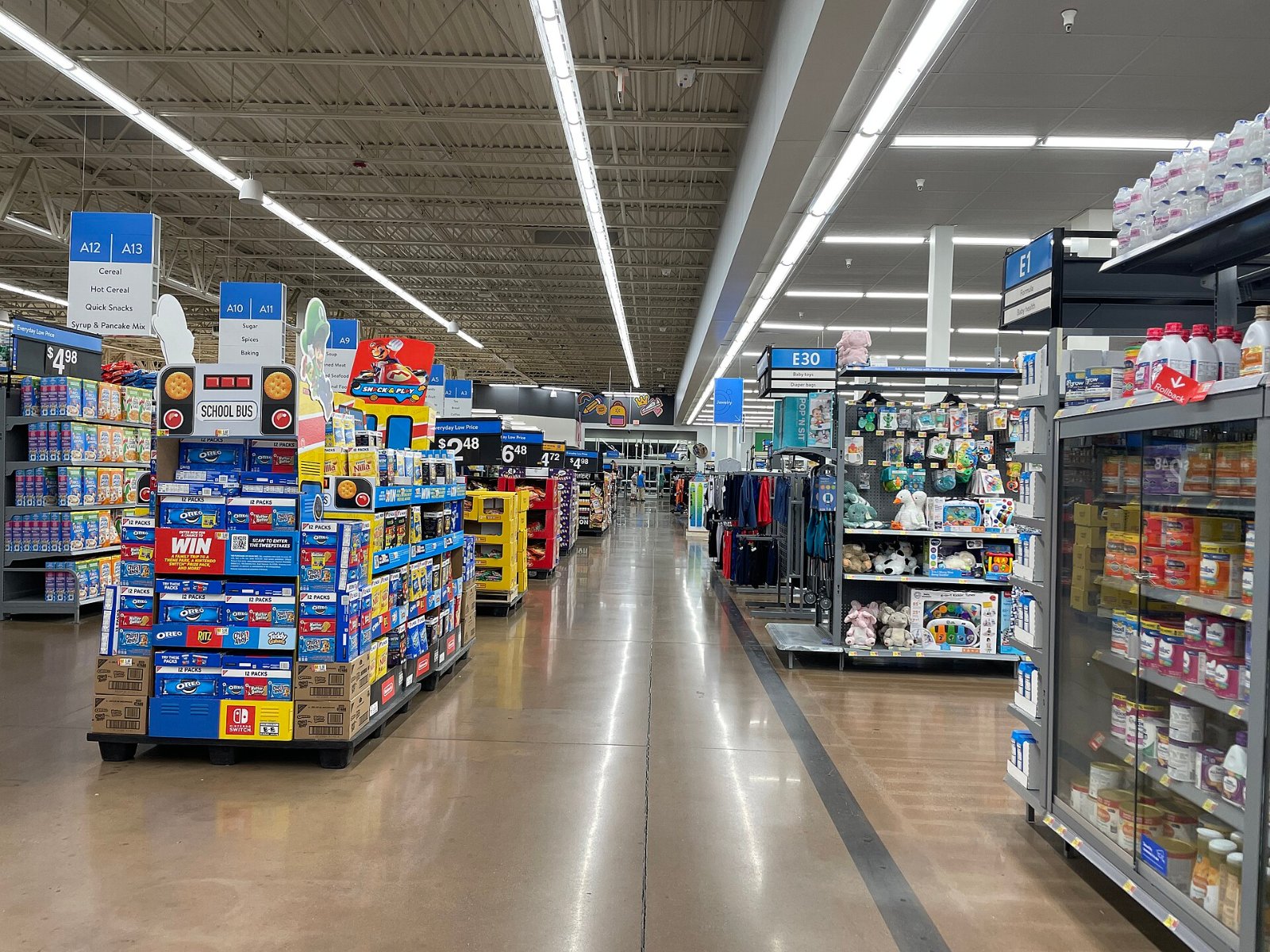
Walmart digital shelf labels are replacing paper price tags in the retailer’s U.S. stores, a change Walmart says turns a 2-day pricing job into one that takes minutes. All Walmart stores will soon use the electronic tags, USA Today reported Sept. 28.
The labels are managed through a centralized system, so staff no longer have to swap thousands of paper tags by hand when prices change.
How Walmart digital shelf labels work
Each label shows a product’s price electronically. In a June 2024 post on Walmart’s corporate site, a store team lead wrote that associates update prices from a mobile app instead of walking the aisles to change tags. “A price change that used to take an associate two days to update now takes only minutes,” she wrote.
The tags also have built-in LED lights. Workers can light them up to see which shelves need restocking, a feature Walmart calls “Stock to Light,” or to find items for online orders, which it calls “Pick to Light.”
The system comes from France-based VusionGroup, according to Grocery Dive, which reported that a typical Walmart store carries more than 120,000 items and sees thousands of price changes each week. The outlet compared the light-up feature to Instacart’s Carrot Tags, smart shelf tags sold to grocers.
Where the rollout stands
Walmart first tested the labels at a supercenter in Grapevine, Texas, in the Dallas-Fort Worth area. In June 2024, it said it would expand them to 2,300 stores by 2026. Earlier this year, the labels went into about 2,300 more locations, and the rest of the chain will follow, USA Today reported.
Walmart operated about 5,200 U.S. stores when the plan was announced, Grocery Dive noted in 2024, so the first wave alone covered a large share of its fleet. In March, Walmart said Walmart digital shelf labels would reach all of its U.S. stores within a year, FOX 9 reported.
Walmart’s pledge on pricing
Digital price tags have raised questions about whether retailers could change prices on the fly. Walmart CEO John Furner addressed that worry in a Sept. 25 letter to customers, saying the company will not use artificial intelligence or customers’ personal information to set individual prices.
“We price the product, not the person,” Furner wrote, according to USA Today. He added that “our people will continue to oversee pricing.”
Furner said AI tools such as Sparky, Walmart’s generative AI shopping assistant, give the company new ways to serve customers but also raise fair questions about the data those tools can reach. His letter came more than a month after Walmart reported its slowest quarterly comparable sales growth in 6 years, USA Today reported, citing Reuters.
Lawmakers are watching the issue, too. In April, Maryland Gov. Wes Moore signed a law that makes the state the first to ban dynamic and surveillance pricing at grocery stores, where prices rise based on factors such as time of day or personal data. The law takes effect Oct. 1, WYPR reported.
Walmart has also said prices on Walmart digital shelf labels stay the same for every customer in a given store, “regardless of demand or time of day,” according to FOX 9. The company described the tags as a way to modernize how prices are displayed, not how they are set.
What it means for shoppers
For shoppers, the most visible change with Walmart digital shelf labels is the small screen where a paper tag used to be. Rollbacks and markdowns can show up on shelves faster, and Walmart says the time saved lets associates restock and fill online orders more quickly.
Walmart has also been in the headlines for its celebrity partnerships, including Kacey Musgraves’ fashion line with Lee. For more consumer stories, visit our Lifestyles and Special Interests sections.