
5 Reasons TikTok Might Be Ruining Travel Destinations

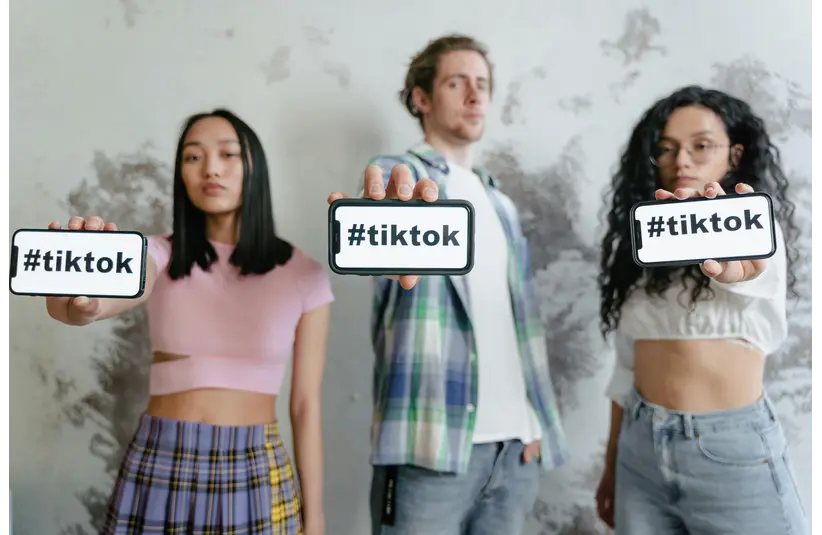
Let’s be honest, the internet has always had a talent for ruining nice things, but TikTok has turned that talent into a full‑time job. What used to be quiet, underrated travel destinations are now viral backdrops for 15‑second clips featuring someone dramatically spinning in slow motion while a crowd of confused tourists tries to walk around them. And somehow, we’re all supposed to pretend this is normal. Spoiler: it’s not. But the real question is whether TikTok is actually destroying travel destinations or just exposing what was already broken in the way we travel.
The Rise of “TikTok Tourism”
TikTok didn’t invent the idea of chasing trendy travel destinations, but it definitely put the whole thing on steroids. One viral video and suddenly a once‑peaceful beach is packed with people who don’t even like sand but desperately want the same shot they saw online. It’s like the world became a scavenger hunt for aesthetic moments. And honestly, who can blame people? TikTok makes every place look like a cinematic masterpiece, even if it smells like low tide and disappointment in real life. And somehow, we all keep falling for it because the app makes every destination look impossibly perfect.
When Viral Fame Hits a Real Location
Here’s where things get messy. Travel destinations that were never built for massive crowds suddenly become the internet’s favorite playground. Tiny towns get overwhelmed. Natural sites get trampled. Locals get annoyed. And the vibe? Completely gone. It’s hard to enjoy a waterfall when someone is yelling “TAKE IT AGAIN BUT VERTICAL THIS TIME” behind you. TikTok doesn’t just bring people—it brings chaos, ring lights, and a level of performative energy that could power a small city. And it’s enough to make even the most patient traveler want to turn around and go home.
The Good Side Nobody Wants to Admit
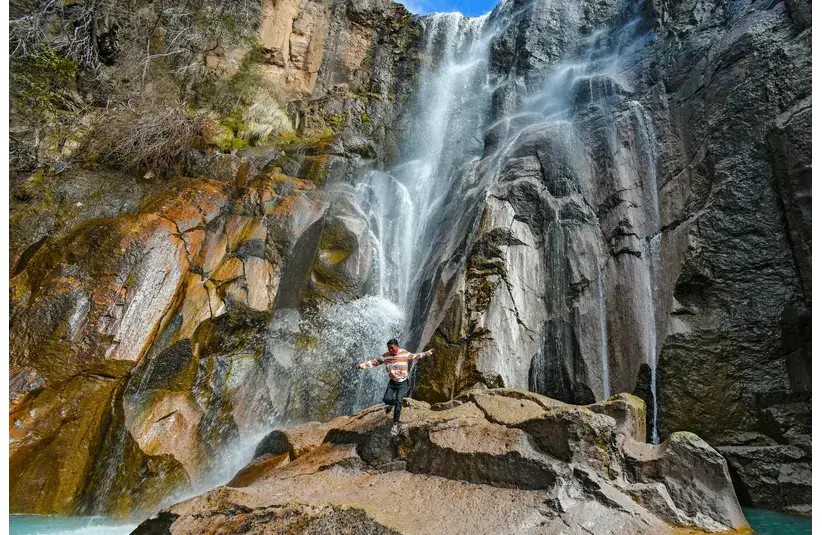
But here’s the twist: TikTok isn’t all destruction and doom. Some travel destinations actually benefit from the attention. Small businesses get more customers. Hidden gems get funding and preservation efforts. Entire regions see economic boosts they never had before. TikTok can turn a forgotten spot into a thriving community hub. The problem isn’t the platform—it’s how people behave once they get there, especially when respect and awareness completely disappear. And when crowds show up without any sense of responsibility, even the best intentions can turn into real damage.
The Real Issue: How We Travel Now
TikTok didn’t ruin travel destinations. We did. We turned travel into a checklist, a competition, a “did you even go if you didn’t post it” experience. Instead of enjoying the moment, we’re busy recreating someone else’s moment. Instead of exploring, we’re copying. And instead of appreciating a place, we’re consuming it like content. TikTok just made the cycle faster, louder, and way more visible. And at some point, we forgot that the whole point of traveling was to actually feel something, not just film it.
So… Is TikTok the Villain or the Mirror?
Honestly, TikTok is more mirror than monster. It reflects how we treat travel destinations—as trends instead of places with history, culture, and people who live there year‑round. The platform didn’t create the problem; it just made it impossible to ignore. And maybe that’s the wake‑up call we needed.
But here’s the twist: TikTok isn’t all chaos. Some travel destinations actually benefit from the attention. Small businesses get more customers, hidden gems get funding, and entire regions see economic boosts they never had before. TikTok can turn a forgotten spot into a thriving community hub. The real issue isn’t the platform—it’s how people act once they show up.
