
Noctourism Travel Trend 2026: Why Tourists Are Vacationing After Dark

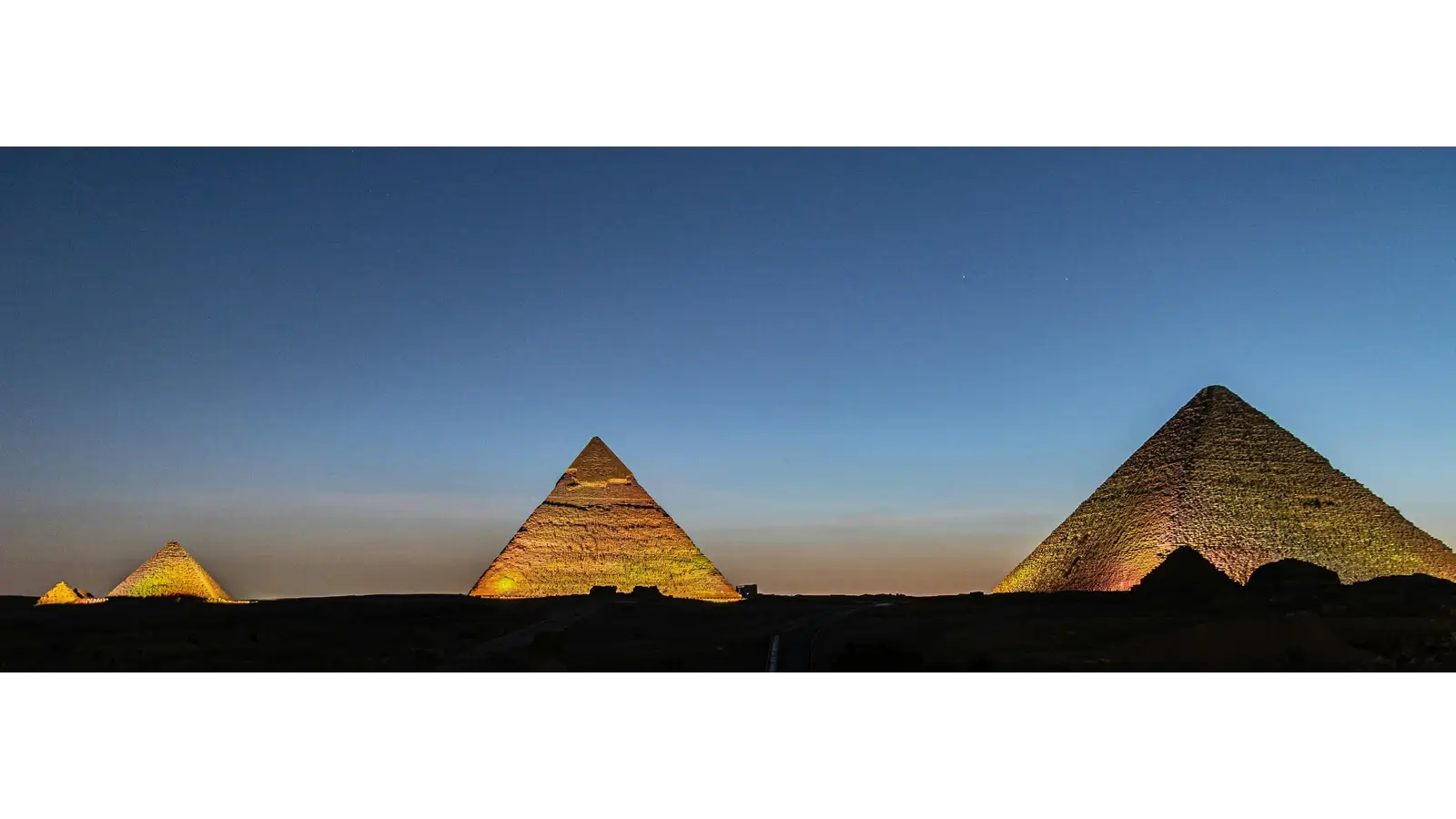
As extreme summer heat reshapes global tourism, travelers are increasingly planning vacations after sunset instead of during the day. The tourism industry now has a name for it, “Noctourism.” Noctourism refers to travel experiences built around nighttime activities, from after-dark sightseeing and late-night cultural tours to stargazing excursions and evening outdoor adventures.
And yes, it sounds a little like a vampire lifestyle brand at first glance. But the trend is becoming increasingly serious as record heat waves reshape how people travel, where they go and even what hours they leave their hotels.
From midnight museum tours in Italy to nighttime desert safaris in the United Arab Emirates, travelers are increasingly planning vacations around cooler evening temperatures instead of traditional daytime sightseeing. What started as a workaround for extreme heat is quickly becoming one of the defining travel shifts of summer 2026. More broadly, this is becoming one of those moments when climate change stops feeling abstract and quietly starts rewriting ordinary behavior, including vacations.
Travelers Are Restructuring Entire Vacations Around Heat
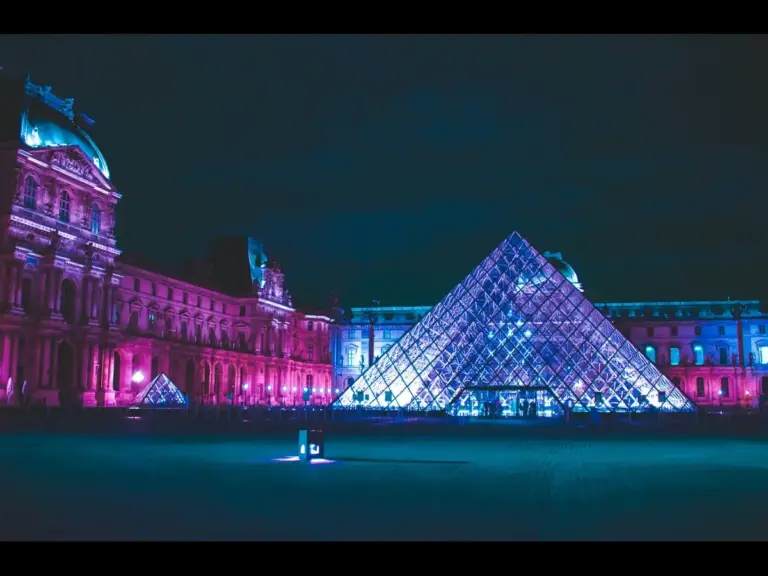
For years, summer tourism operated on a predictable rhythm. Wake up early, spend the day outside, take photos in crowded tourist zones, complain about walking 20,000 steps, repeat. That model is starting to break down in some destinations.
Cities across southern Europe experienced repeated extreme heat events over the past several summers, with temperatures climbing high enough to trigger health warnings, water restrictions and emergency alerts. Tourists have increasingly reported avoiding daytime excursions entirely during peak afternoon hours. The result is a growing shift toward nighttime experiences.
Restaurants are extending late-hour service. Tour operators are adding evening excursions. Outdoor attractions are experimenting with after-dark access. In some cities, tourism now feels busiest after sunset rather than before lunch. And honestly, some travelers seem happier because of it.
There is a certain irony here. Vacation culture spent years pushing hyper-packed itineraries built around squeezing every possible landmark into daylight hours. Now, many travelers are discovering that slower evenings, cooler temperatures and less crowded streets make for a noticeably better experience.
Europe’s Heat Waves Are Accelerating the Trend
The trend is especially noticeable in southern Europe, where summer temperatures have become increasingly difficult for tourists unaccustomed to prolonged heat exposure. Countries including Spain, Greece and Italy have all dealt with severe heat waves in recent summers, forcing local governments to issue health advisories and emergency preparedness measures during the tourism season.
For travelers, the adjustment has become practical rather than optional. Walking tours that once launched at noon are moving closer to sunset. Rooftop venues are seeing increased demand late into the evening. Some travelers are specifically searching for “night tourism” activities before they even book flights. And importantly, this is not just luxury travel behavior.
Budget travelers, families and younger tourists are increasingly adjusting schedules around heat avoidance because daytime outdoor activity can become physically exhausting faster than expected. Especially when long lines, crowded transit systems and unfamiliar climates all collide at once. The modern travel itinerary now increasingly includes one very specific strategy: survive the afternoon indoors.
Noctourism Is Also About Escaping Crowds
The heat factor matters, but overcrowding is also fueling the trend. Many travelers are growing frustrated with overtourism in major destinations, particularly during peak summer months when popular sites become difficult to enjoy at all. Nighttime tourism offers a partial escape from that chaos. Late-night museum access, evening cultural events and after-dark city tours often provide a calmer experience with fewer crowds and shorter wait times. Some destinations are actively leaning into this shift.
Tourism boards increasingly market nighttime attractions as premium experiences rather than backup plans. Stargazing excursions, moonlight hiking tours and evening historical walks are now being packaged as intentional travel experiences instead of novelty side activities.
That repositioning matters because it reflects a larger tourism industry realization: travelers are no longer simply chasing landmarks. Increasingly, they are chasing comfort. And after years of chaotic travel disruptions, airport meltdowns and overtourism complaints, comfort has quietly become one of the travel industry’s most valuable products.
Climate Change Is Quietly Reshaping Tourism Habits
The rise of noctourism also points to a larger reality that the tourism industry can no longer avoid. Climate patterns are increasingly influencing traveler behavior. That influence extends beyond hurricanes or major natural disasters. It now affects how people schedule vacations, what destinations feel manageable and even which activities remain enjoyable during certain months.
Travel experts increasingly warn that some traditionally popular summer destinations may continue seeing behavioral shifts if extreme heat trends persist. That does not mean tourists will stop visiting Europe or other high-demand destinations altogether. But it may mean the classic “all-day summer sightseeing” model becomes less practical moving forward.
Instead, travel culture may gradually evolve toward later schedules, seasonal flexibility and more heat-conscious planning. In other words, the future summer tourist itinerary may look less like a sunrise-to-sunset marathon and more like a carefully managed survival strategy with gelato breaks. Which, to be fair, may not be the worst evolution travel has ever seen.
Why Noctourism Could Continue Growing Beyond 2026

Unlike some viral travel trends that disappear after a season, noctourism has several factors working in its favor.
It addresses:
- extreme heat
- overtourism fatigue
- traveler burnout
- wellness-focused tourism
- slower travel preferences
That combination gives it unusual staying power. The trend also fits broader post-pandemic travel behavior, where many tourists increasingly prioritize flexibility, comfort and experience quality over rigid sightseeing checklists.
And for cities facing climate-related tourism challenges, nighttime tourism may eventually become less of a trend and more of an economic adaptation. Because if daytime temperatures continue climbing, the tourism industry may not simply market nighttime travel as exciting. It may market it as necessary.
Additional News From Total Apex Entertainment
- The Rise of The Dynamic Homestead Function in Modern Décor
- PlayStation Plus June Lineup Delivers Massive Deals and Corporate Plot Twists for Days of Play Landing May 27, 2026
FAQ
What is noctourism?
Noctourism refers to travel experiences centered around nighttime activities, including evening tours, late-night cultural events, stargazing and after-dark sightseeing.
Why is noctourism becoming popular?
Extreme summer heat, overtourism and changing traveler preferences are pushing more tourists toward nighttime experiences that offer cooler temperatures and smaller crowds.
Which destinations are seeing the biggest noctourism growth?
Southern Europe, parts of the Middle East and major tourism cities experiencing extreme summer temperatures are seeing increased interest in nighttime tourism activities.
Is noctourism expected to continue growing?
Travel analysts expect noctourism to continue expanding as climate conditions, traveler behavior and tourism industry strategies evolve.
