
Ebola Outbreak Is Changing Air Travel Right Now. Here’s What You Need to Know.

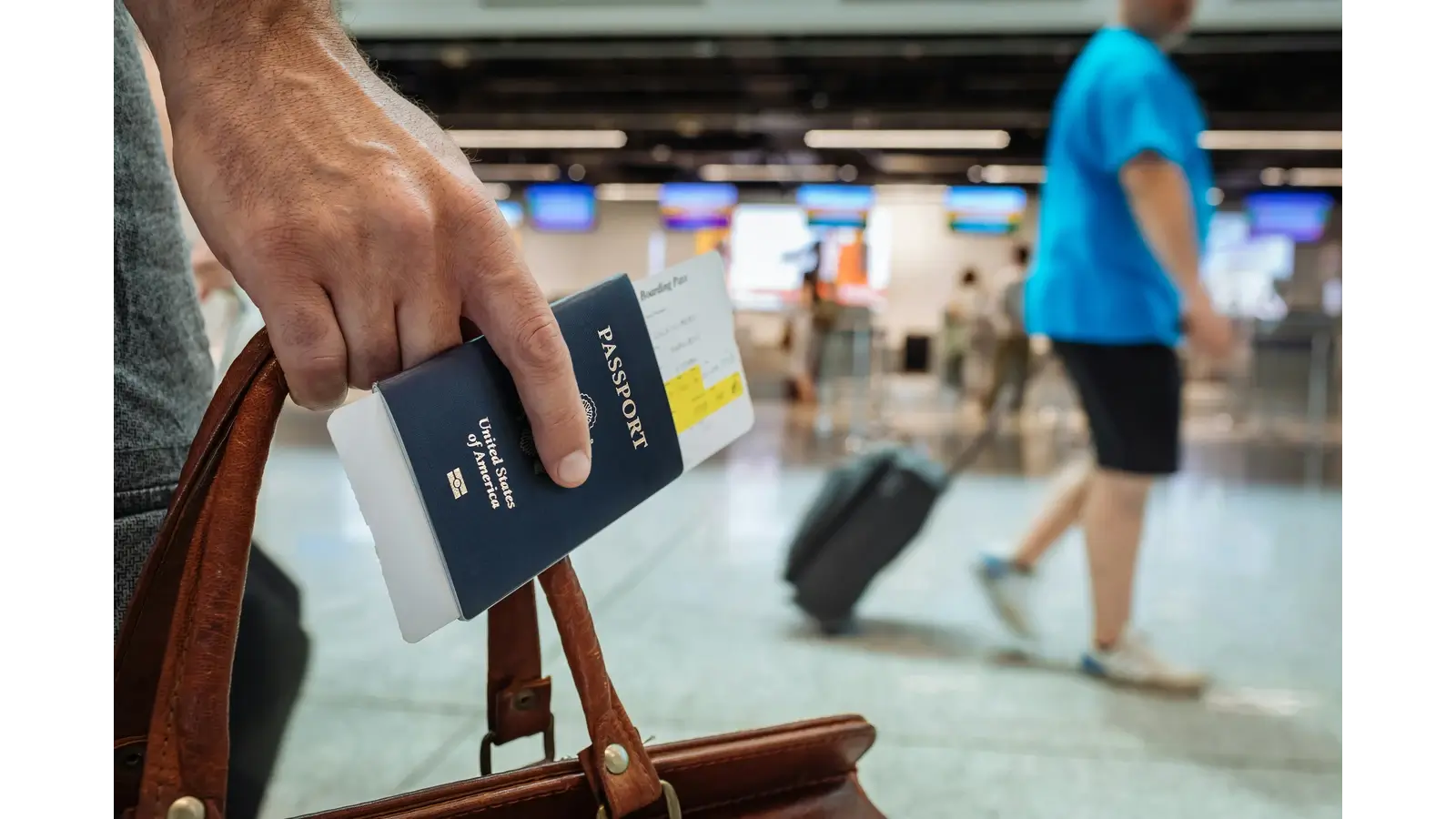
If you have a flight touching Central or East Africa on your itinerary, your plans may have already changed without you knowing it. Ebola is back in the headlines, and the U.S. government just flipped the switch on a series of travel restrictions that are actively rerouting international flights and tightening border entry. This isn’t 2014 panic-level hysteria, but it is serious enough that the CDC invoked Title 42 powers it rarely uses. Pay attention.
What the U.S. Government Actually Did
On May 18, 2026, the CDC, the Department of Homeland Security, and other federal agencies implemented enhanced travel screening, entry restrictions, and public health measures to prevent Ebola from entering the United States amid ongoing outbreaks in East and Central Africa.
The legal mechanism here is worth noting. Under authority granted by Sections 362 and 365 of the Public Health Service Act, CDC issued a Title 42 order implementing targeted public health measures intended to reduce the risk of Ebola disease caused by the Bundibugyo virus by preventing its introduction into the United States. The order is set to remain in effect for 30 days.
In plain English: the federal government pulled out a public health authority it last used prominently during COVID, and it’s using it specifically because of the Bundibugyo strain of Ebola now spreading across DRC, Uganda, and South Sudan.
Who’s Actually Banned from Entering the U.S.
Not everyone from affected regions is blocked. The restrictions are targeted, but the details matter.
Under a CDC order effective May 18, 2026, certain non-U.S. citizens who were in DRC, South Sudan, or Uganda within the past 21 days are temporarily prohibited from entering the United States. U.S. citizens, nationals, and lawful permanent residents may still enter but will undergo enhanced screening.
So if you hold a U.S. passport and were backpacking through Kampala last month, you’re coming home. You’ll just get a lot more scrutiny at the airport than usual.
Your Flight Might Not Land Where You Booked

This is where things get logistically messy for travelers.
Beginning May 20, 2026, travelers permitted to enter the United States who have recently been in the DRC, South Sudan, or Uganda will have their air travel rerouted to Washington-Dulles International Airport. Airlines will work with affected travelers to rebook flights.
That situation has already expanded. According to a notice from U.S. Customs and Border Protection, Hartsfield-Jackson Atlanta International Airport joined Dulles as a designated arrival airport for affected travelers, with changes taking effect for flights departing after 11:59 p.m. EDT on May 22.
It doesn’t stop there. George Bush Intercontinental Airport in Houston is scheduled to be added to the list beginning Tuesday, May 26. Cargo-only flights and airline crew members are excluded from the requirements.
What Happens to You at the Airport
If you’re a U.S. citizen or lawful resident arriving from one of the three affected countries, here’s the process waiting for you on the other side of that jet bridge.
Travelers may be escorted to a designated screening area, asked to complete a brief questionnaire about travel history and symptoms, have their temperature checked using non-contact thermometers, and be observed for signs of illness by CDC staff. CDC may also collect contact information for follow-up by state or local public health authorities.
No symptoms? You’ll probably be on your way. Travelers without symptoms will receive information about monitoring their health for 21 days after leaving the affected countries and will continue to their final destination after public health entry screening.
If something flags during screening, the stakes go up fast. Travelers with fever or other symptoms that could be Ebola will receive additional evaluation by a CDC public health officer. If the assessment shows that a traveler may be sick with Ebola, the traveler will be transferred to a hospital for further medical evaluation and isolation.
One Thing the Screening Won’t Catch
Here’s the part that public health officials are genuinely worried about, and it’s important to understand this clearly.
Public health entry screening cannot identify travelers who are infected but not yet showing symptoms. Ebola symptoms can develop up to 21 days after exposure. Screening is one part of a broader, layered public health approach that also includes exit screening overseas, airline illness reporting, and public health monitoring after arrival.
That 21-day incubation window is exactly why the monitoring doesn’t stop at the airport. CDC will use automated text messages to remind travelers arriving from DRC, South Sudan, or Uganda to monitor their health. Traveler contact information will also be shared with state and local health departments for additional follow-up.
Should the Average Traveler Be Worried?
The short answer: not if you’re not heading to DRC, Uganda, or South Sudan.
At this time, CDC assesses the immediate risk to the general U.S. public as low, but the agency will continue to evaluate the evolving situation and may adjust public health measures as additional information becomes available.
No known Ebola cases connected to travelers through Atlanta or any of the designated U.S. airports have been reported as of this writing. The restrictions are precautionary, not reactive to a confirmed U.S. case.
If you were recently in one of the affected countries and develop fever, weakness, vomiting, diarrhea, or unexplained bleeding within 21 days of returning, skip the urgent care clinic. Travelers are urged to monitor CDC travel health notices and seek medical attention immediately if symptoms develop within 21 days of travel to affected areas. Call ahead so medical staff can prepare. Do not just show up.
What Travelers Should Do Right Now
- Check your itinerary for any connections through affected regions, even brief layovers.
- Monitor the CDC Travel Health Notices page, which is being updated frequently as this situation develops.
- If you were in DRC, Uganda, or South Sudan in the last three weeks, expect enhanced screening and monitor your health daily.
- Contact your airline proactively about potential rebooking if your final destination is one of the newly designated gateway airports.
- Save the CDC emergency line: 800-232-4636.
The situation is still evolving. Three airports confirmed, more potentially coming. The 30-day Title 42 order may be extended. Stay informed and don’t let a bureaucratic surprise ruin your next trip.
FAQ Section
Q: Who is banned from entering the United States due to the Ebola outbreak? Non-U.S. citizens who were in the Democratic Republic of Congo, Uganda, or South Sudan within the past 21 days are temporarily prohibited from entering the U.S. under a CDC order effective May 18, 2026.
Q: Can U.S. citizens still fly back from affected countries? Yes. U.S. citizens, nationals, and lawful permanent residents may still return but will be routed to designated airports and undergo enhanced health screening.
Q: Which U.S. airports are designated for Ebola-related screening? As of late May 2026, Washington-Dulles International Airport and Hartsfield-Jackson Atlanta International Airport are active designated arrival points. George Bush Intercontinental Airport in Houston is being added on May 26.
Q: What are the symptoms of Ebola I should watch for after travel? Fever, weakness, vomiting, diarrhea, and unexplained bleeding are the primary warning signs. Symptoms can appear up to 21 days after exposure.
Q: How long are the current Ebola travel restrictions in effect? The current Title 42 order is set for 30 days from May 18, 2026, but it may be extended depending on how the outbreak develops.
Q: Is the Ebola outbreak a risk for the average American traveler? CDC currently assesses the risk to the general U.S. public as low. The restrictions are precautionary and targeted at travelers from specific affected regions.
