
Recall: Ford Explorer 2017-2019 – Rear Suspension Issue


If you own a 2017, 2018, or 2019 Ford Explorer, here’s something you genuinely need to pay attention to. Ford has issued a recall affecting 412,774 Explorer SUVs due to a rear suspension defect that could — and this is the part that matters — cause you to lose steering control while driving.
That’s not a minor “check engine light” situation. That’s a “your car might not go where you’re telling it to go” situation. Big difference.
What Is the Ford Explorer Recall About?
The recall centers on the rear toe links — a suspension component that helps keep your rear wheels properly aligned and your vehicle tracking straight. In affected Explorers, these toe links may fracture under load.
When a toe link breaks, things get unpredictable fast. According to Ford’s report to the National Highway Traffic Safety Administration (NHTSA), a fractured toe link can reduce steering control and increase the risk of a crash. Ford has already confirmed two accidents tied to this defect, with vehicles striking guardrails or other barriers. Fortunately, no injuries have been reported — but that’s not a lucky streak anyone should count on continuing.
The root cause? Ford believes the cross-axis ball joints may seize and bend the rear toe link until it snaps. The specific combination of parts responsible for this issue was first introduced in the 2017 model year and phased out by 2019, which is exactly why those three model years are the ones caught up in this recall.
Warning Signs Your Toe Link May Be Failing
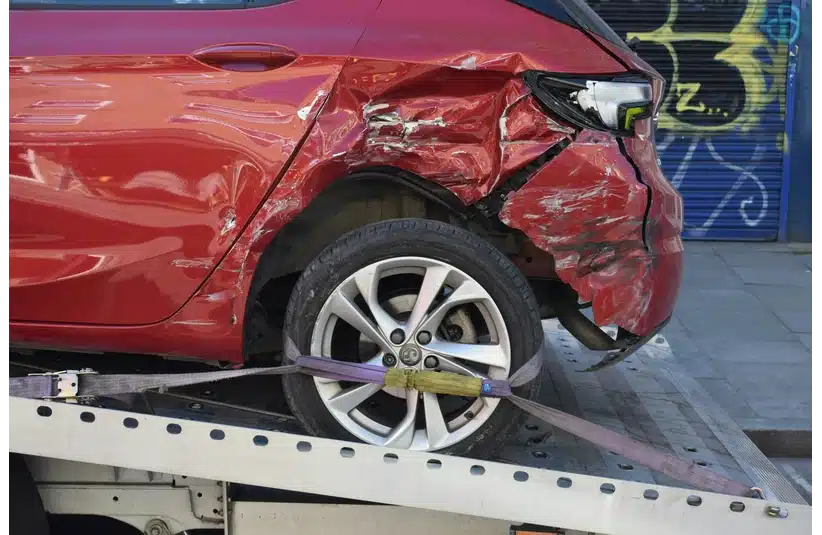
This is the part where nerdy knowledge actually saves you from a scary situation on the highway. According to the NHTSA report, drivers should watch for:
- A clunking noise coming from the rear of the vehicle
- Unusual or unexpected handling behavior
- A visibly misaligned rear wheel (one that looks “off” compared to the others)
Any one of these symptoms warrants immediate action. Don’t wait for the recall letter to show up. If your Explorer is pulling weirdly or making noises it wasn’t making last month, get it looked at.
Which Vehicles Are Affected by This Recall?
The recall covers Ford Explorer SUVs from model years 2017, 2018, and 2019. That’s it — no other years, no other models. If you’re not sure whether your specific vehicle falls under this recall, you can check using your Vehicle Identification Number (VIN) on the NHTSA recalls website or through Ford’s official recall page.
Ford started notifying affected owners by mail, with letters going out by March 13, 2026. But again — don’t wait for a letter if you’re already noticing symptoms.
What Will Ford Do to Fix It?
Here’s the good news: the fix is free.
Ford is asking owners to bring their Explorers to an authorized dealership, where technicians will replace the original rear toe links with newly designed, stronger versions. The updated parts are built to be more corrosion-resistant and better able to handle the stress that caused the original components to fail.
No cost to you. No complicated process. Just schedule an appointment and let them swap out the problematic parts.
How to Check If Your Ford Explorer Is Part of This Recall
There are two easy ways to find out if your vehicle is affected:
- Visit the Ford Recall Page at ford.com/support/recalls, enter your VIN, and select “Go to My Ford.”
- Use the Ford App — open it, tap the tool icon to access the Service dashboard, and check the Recall tile. (Note: the tile only appears if there’s an active recall on your vehicle.)
If you need help getting your vehicle to a dealership and your recall letter indicates towing is covered, you can contact Ford Roadside Assistance at 1-800-241-3673.
Why This Recall Matters More Than Most
Look, recalls happen all the time. Some of them are genuinely low-stakes — a software update here, a minor fix there. This one is different.
Rear suspension failures are mechanical, unpredictable, and fast. There’s no warning light for “your toe link is about to snap.” The only signals you get are the ones listed above — clunks, weird handling, a wheel that looks wrong. And by the time those symptoms show up, the component is already compromised.
Two accidents have already been linked to this defect. The fact that nobody was hurt is genuinely fortunate. It doesn’t mean everyone else will be as lucky.
If your Explorer falls in the 2017–2019 range, treat this with the urgency it deserves. Check your VIN today, schedule your free repair, and don’t talk yourself out of it because the car “seems fine.” Sometimes it seems fine right up until it isn’t.
Author
