
Flock Safety’s Failed Dashcam Deal Exposed Massive Surveillance Gap

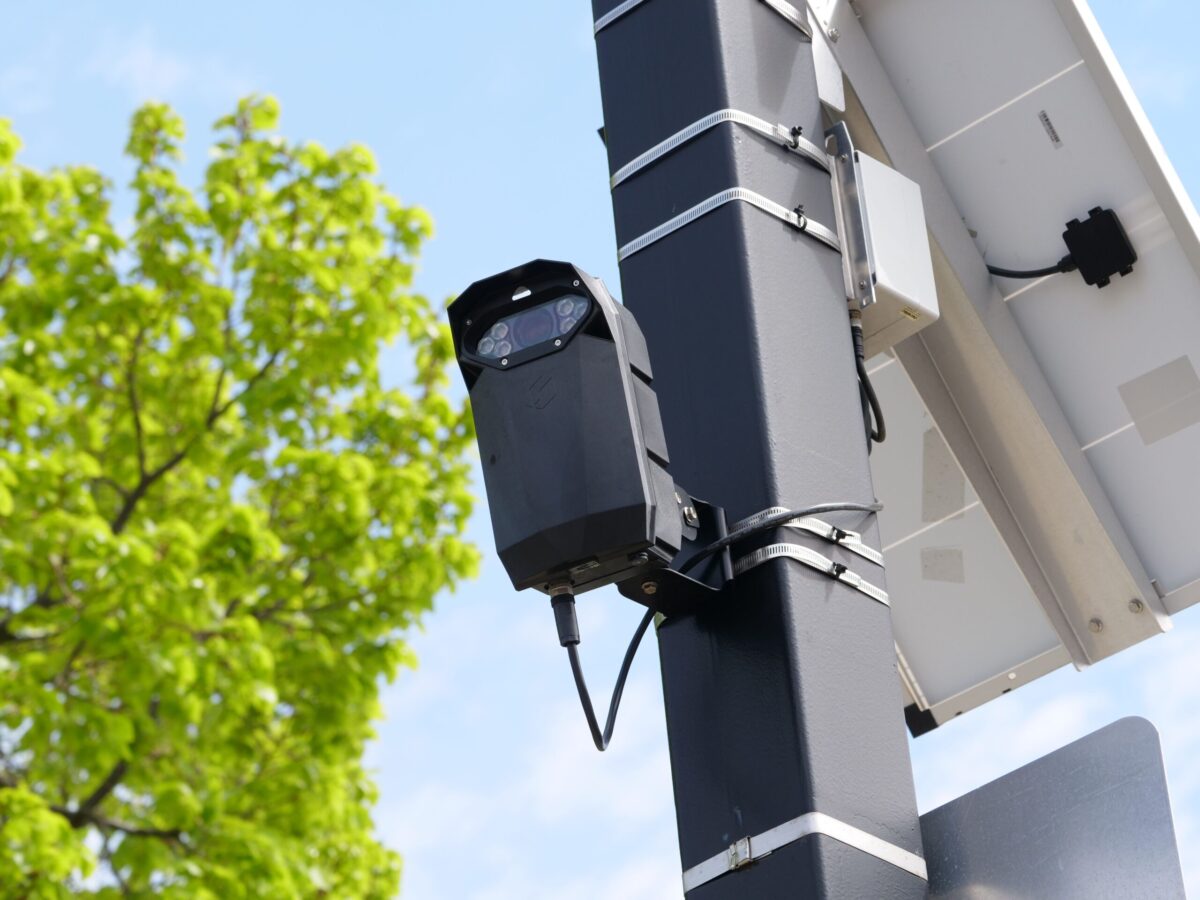
Flock Safety came close to pulling off something that would have fundamentally reshaped urban surveillance. The automatic license plate reader company pitched a partnership to Georgia’s Office of Attorney General in August 2025 that would have folded dashcam footage from over 350,000 rideshare and delivery vehicles into its existing law enforcement network, first reported by Jalopnik. The deal fell apart, but the leak reveals how close the company came to creating a surveillance infrastructure that would dwarf anything currently operating—and how little stands in the way of similar deals happening again.
Here’s what made the Flock-Nexar partnership so explosive: Nexar dashcams, marketed to drivers as safety tools, shoot high-definition video capable of reading license plates from moving vehicles and automatically upload footage to Nexar’s database. Both street- and cabin-facing cameras feed into that system. If Flock had gained access to that stream, it would have added trillions of images monthly to a network already processing 20 billion license plate reads monthly across roughly 100,000 cameras deployed by law enforcement agencies.
The kicker is that rideshare and delivery drivers wouldn’t have been informed the data was being shared with police. The partnership didn’t require notifying them of any change to their dashcam data practices.
Security Vulnerabilities Built Into the System
The pitch arrived amid a wave of documented security failures at both companies. In late 2025, YouTuber Benn Jordan demonstrated that some Flock cameras were streaming on the open internet. That same month, a hacker accessed 130 terabytes of Nexar video data in approximately two hours by exploiting an Amazon Web Services key found on every Nexar device—equivalent to roughly 4,333 iPods worth of storage. In September 2026, Wired reported that a hacker group obtained a Flock camera encryption key, gaining access to thousands of videos from the network.
Those breaches weren’t anomalies. They exposed systemic problems in how these companies handle sensitive data. Yet neither vulnerability appears to have triggered regulatory safeguards strong enough to prevent partnerships like the one Flock pitched.
A Track Record of Misuse
The proposed expansion would have arrived against a backdrop of documented surveillance abuse. Seventeen Georgia police officers were arrested and fired for illegally using Flock cameras to stalk people. A USA Today investigation identified 240 Flock users exhibiting concerning surveillance behavior. In one documented case, a woman fleeing an abusive police ex-partner found herself tracked using Flock data.
Despite this history, Atlanta police deployed over 5,000 Flock cameras without demonstrating that they resolved more crimes than before. The cameras achieve only 29% accuracy in reading license plates in some locations—a significant failure rate for a tool designed to identify suspects.
The reasons the Flock-Nexar partnership ultimately failed remain unclear. What’s certain is that no federal law prevented it from happening. That gap in regulation means similar deals could materialize with other dashcam companies, traffic cameras, or vehicle-mounted systems without legislative barriers. The infrastructure for mass surveillance already exists in fragments scattered across rideshare fleets, delivery services, and law enforcement agencies. The Flock pitch showed how easily those fragments could be stitched into a seamless network.
Source: Jalopnik