
Dark Legends: The 5 Most Notorious Women Whose Crimes Still Haunt America


True‑crime fans know there’s a particular chill that comes from stories involving women who cross the line into violence. Maybe it’s the way these cases shatter expectations, or how the details linger long after the headlines fade. With March being Women’s History Month, let’s take a look at how these five women didn’t just commit a crime—they became cultural flashpoints, forever tied to some of the most disturbing acts in American history.
1.) Andrea Yates
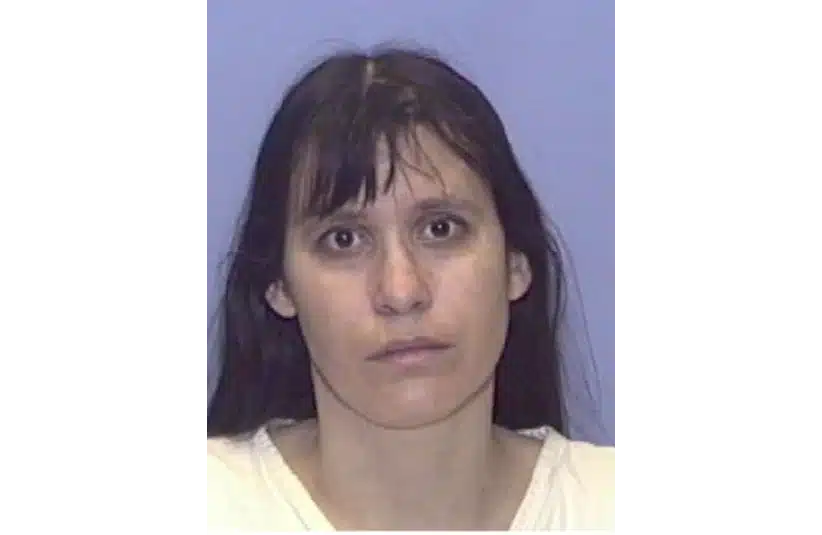
Andrea Yates’ case remains one of the most heartbreaking and unsettling in modern criminal history. In 2001, the Texas mother drowned her five children in the family bathtub, later telling investigators she believed she was saving them from eternal damnation. The case forced the country to confront how badly the system fails women suffering from severe postpartum psychosis.
Her legal journey was long and brutal. In her first trial in 2002, a Texas jury found her guilty of capital murder and sentenced her to life in prison, even though she had pleaded not guilty by reason of insanity. According to FindLaw, the jury deliberated only a few hours before rejecting her insanity defense, though they stopped short of giving her the death penalty.
But that verdict didn’t stick. On appeal, the conviction was overturned after it came to light that the prosecution’s star psychiatrist had given false testimony about a nonexistent “Law & Order” episode he claimed mirrored Yates’ crime. The Court of Appeals ruled that this testimony may have influenced the jury, leading to a retrial.
In 2006, during her second trial, a new jury found her not guilty by reason of insanity. This time, the court acknowledged the severity of her mental illness and the years of documented psychosis leading up to the tragedy. She was committed to a high‑security state mental hospital in Texas, where she remains under psychiatric care.
2.) Aileen Wuornos
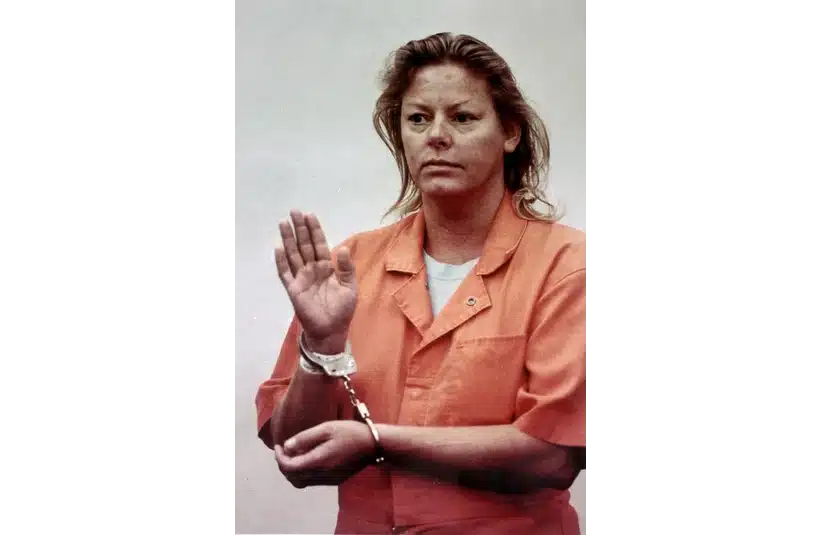
Aileen Wuornos’ life reads like a slow‑motion tragedy that finally snapped. Long before she became one of the most infamous women in American crime history, she was a homeless sex worker drifting along Florida highways, surviving on scraps and adrenaline. Between 1989 and 1990, seven men were found shot to death, their bodies dumped near remote roads, according to Rasmussen University‘s article. Wuornos eventually confessed, though she insisted the killings were acts of self‑defense against violent clients. Her story has always lived in that uncomfortable gray zone between victim and predator.
The legal system didn’t see much gray. Wuornos was convicted of six murders and received six death sentences, one after another, as prosecutors painted her as a cold‑blooded serial killer. She was executed by lethal injection in 2002, her final years marked by paranoia, rage, and a deep distrust of the very institutions that claimed to give her justice. Even now, true‑crime fans argue over whether she was a monster, a survivor, or something far more complicated.
3.) Gypsy Rose Blanchard
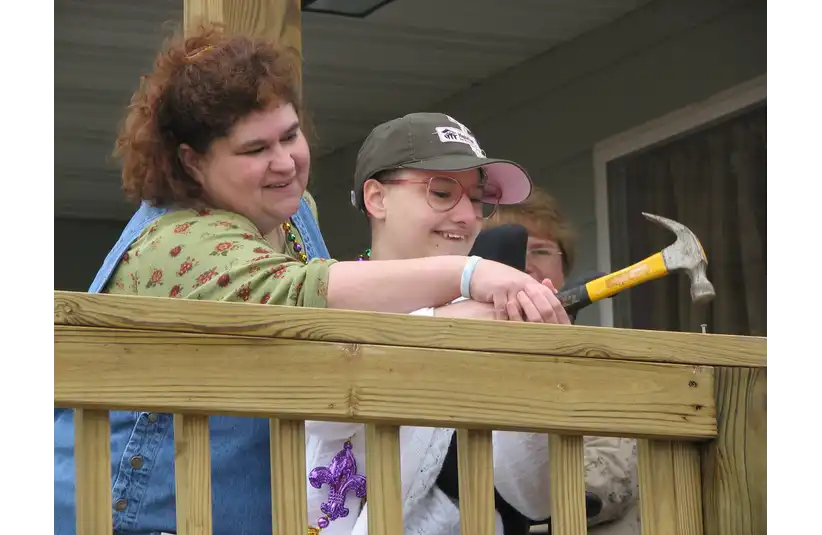
Gypsy Rose Blanchard’s case is one of those stories that forces you to sit with your discomfort. For most of her childhood, she was paraded around as a terminally ill girl in a wheelchair, fed through tubes, and subjected to surgeries she didn’t need. Her mother, Dee Dee Blanchard, controlled every breath she took, crafting a world built on medical lies and emotional captivity. When Gypsy finally realized she wasn’t sick — that she had been abused her entire life — she saw only one way out.
In 2015, Gypsy and her then‑boyfriend Nicholas Godejohn killed Dee Dee in what Gypsy described as an act of desperate escape. According to People, Gypsy pled guilty to second‑degree murder and received a 10‑year sentence, while Godejohn was later convicted of first‑degree murder and sentenced to life in prison. Gypsy was released on parole in December 2023, stepping into a world that had watched her life unfold like a horror documentary. Her case continues to spark debates about abuse, agency, and what “justice” even means when the victim and perpetrator roles collapse into each other.
4.) Lizzie Borden
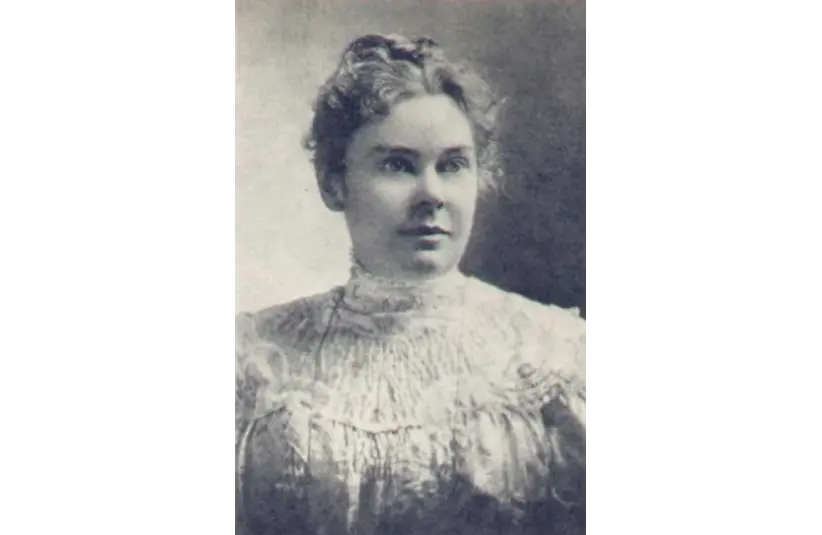
Lizzie Borden’s name has lived for more than a century in the strange space between folklore and fact. According to the Smithsonian Magazine, in 1892, her father and stepmother were found brutally hacked to death in their Fall River home — a crime so savage it instantly became national news. Lizzie, a 32‑year‑old Sunday school teacher, was the only person home at the time. The evidence was thin, the motives murky, and the public fascination immediate. She became one of the first women in American crime history to be turned into a media spectacle.
Her trial was a sensation. Despite the whispers, the suspicious behavior, and the infamous burned dress, the jury acquitted her in 1893. With no murder weapon definitively tied to her and no eyewitnesses, the state simply couldn’t prove she did it. Lizzie lived the rest of her life in Fall River as a social outcast, financially comfortable but forever shadowed by the rhyme: “Lizzie Borden took an axe…” The case remains officially unsolved, and she remains one of the most debated women in true‑crime culture — a symbol of how myth can swallow truth whole.
5.) Casey Anthony
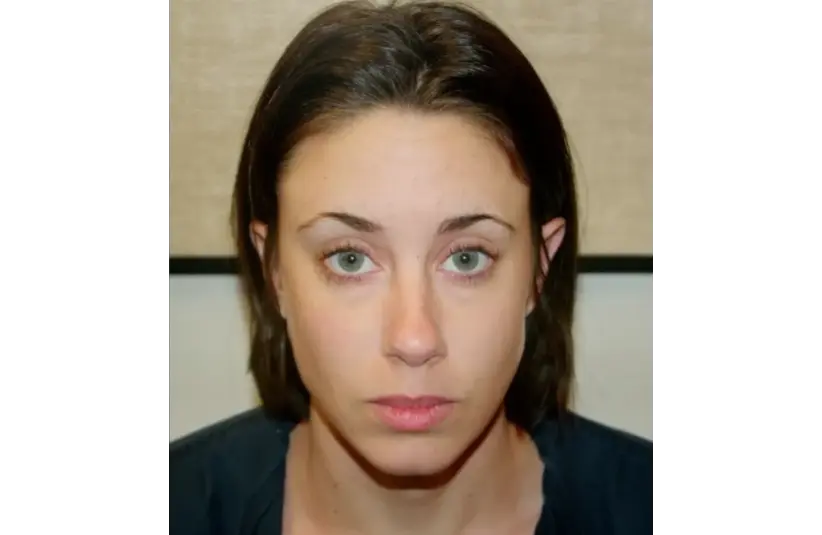
Casey Anthony’s case is one of those cultural flashpoints that still sparks arguments years later. In 2008, her two‑year‑old daughter, Caylee, was reported missing, and the investigation quickly spiraled into a media circus. Casey’s shifting stories, the 31‑day delay in reporting Caylee missing, and the bizarre trail of lies made her one of the most hated women in America almost overnight. When Caylee’s remains were found in a wooded area near the Anthony home, the public was convinced they already knew the ending.
But the courtroom told a different story. According to CNN, Casey Anthony was acquitted of first‑degree murder in 2011 after the jury concluded that the prosecution hadn’t proven how Caylee died or that Casey was responsible. She was convicted only of lying to law enforcement. The verdict ignited national outrage, with many arguing that the case showed the limits of circumstantial evidence in high‑profile crime. Casey has lived largely out of the public eye since, though she remains one of the most polarizing figures in modern criminal history.
Why These Women Still Haunt the True‑Crime World
These five women didn’t just commit a crime—they reshaped the way America talks about female violence, mental illness, abuse, and justice. Their stories sit at the crossroads of horror and heartbreak, forcing us to confront uncomfortable truths about the systems and circumstances that shaped them.
- Andrea Yates exposed the devastating consequences of untreated mental illness.
- Aileen Wuornos challenged the narrative of what a “serial killer” looks like.
- Gypsy Rose Blanchard revealed the hidden terror of medical abuse.
- Lizzie Borden blurred the line between myth and murder.
- Casey Anthony ignited a national debate about evidence, media influence, and guilt.
True‑crime fans return to these cases again and again because they’re not just stories of violence—they’re stories of women whose lives unraveled in ways that still defy easy explanation.
Author
