
The Inspiring Return of Practical Suburban Homesteading in Suburban Spaces

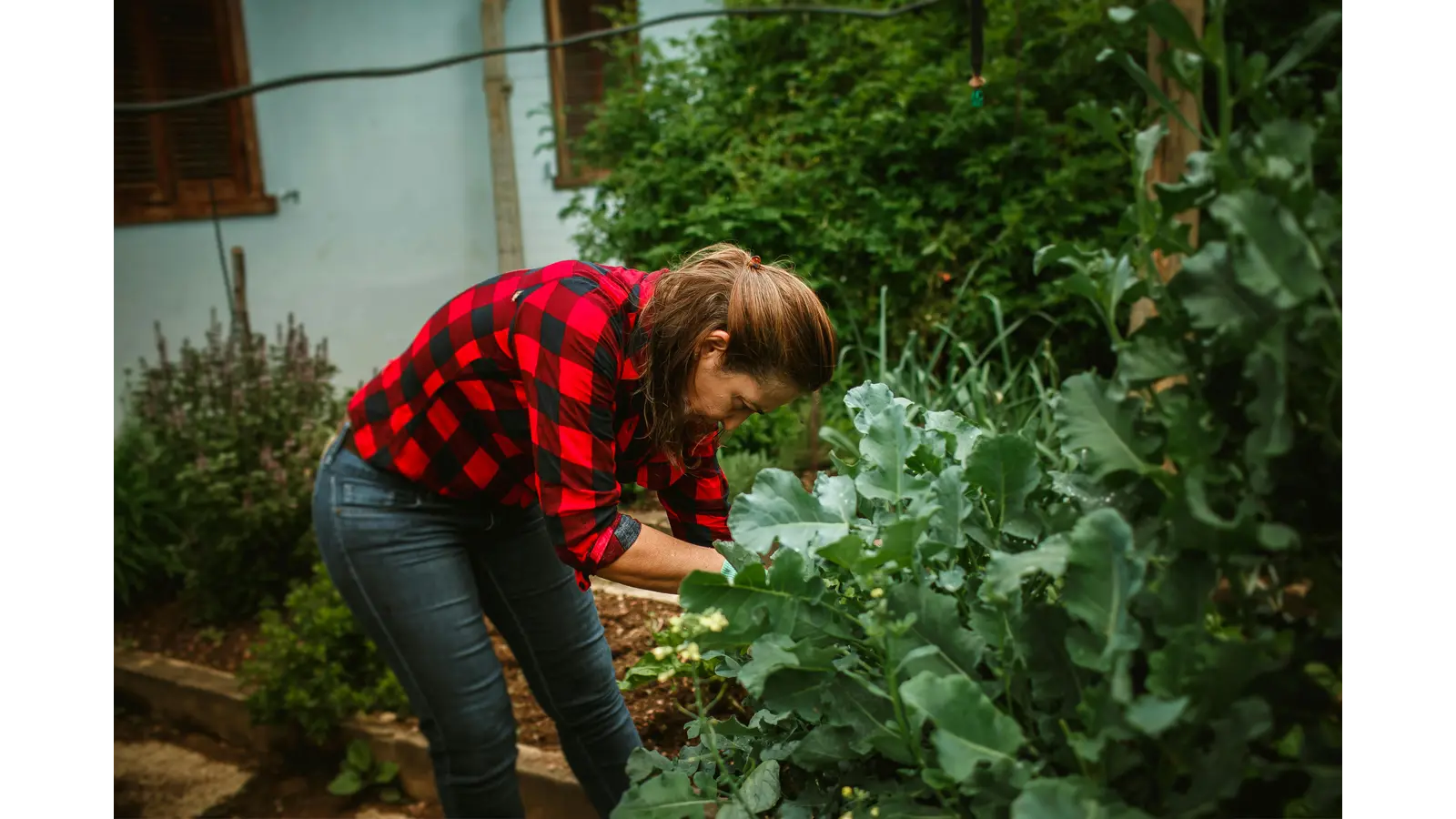
There’s something poetic about watching suburban homesteading make a comeback. Maybe it’s the collective burnout from HOA newsletters, or maybe people are just tired of paying $7 for herbs that die in the fridge within 48 hours. Either way, the suburbs are quietly transforming, and honestly, it’s one of the most unexpectedly wholesome plot twists of modern living.
People aren’t just mowing lawns anymore; they’re growing food, raising chickens, and turning those once‑decorative backyards into mini ecosystems that actually do something. And yes, it’s happening right between the cul‑de‑sacs and the Target parking lots.
Why Suburban Homesteading Is Suddenly… Cool?
Let’s be real: suburban homesteading used to be the kind of thing people whispered about, like someone had gone “full pioneer” after one too many Pinterest boards. But now? It’s practically a badge of honor.
Part of the appeal is control. When grocery prices swing harder than a reality TV plot twist, growing your own food feels like reclaiming a tiny piece of sanity. Tomatoes don’t judge you. Basil doesn’t raise its price every week. And eggs from your own hens? They hit different, emotionally and financially.
There’s also the vibe shift. People want authenticity, grounding, and something that doesn’t involve a screen. Suburban homesteading gives you that slow, satisfying sense of “I made this,” even if it’s just a handful of cherry tomatoes and a slightly lopsided raised bed.
The New Suburban Status Symbol: Function Over Aesthetic
For decades, suburban yards were all about looking good. Perfect grass. Perfect shrubs. Perfectly boring. But the new wave of suburban homesteading flips that script.
Now the flex is:
- A compost bin that actually works
- A rain barrel that makes you feel like a water‑saving wizard
- Raised beds overflowing with real food
- Pollinator gardens buzzing like a tiny airport
It’s not about impressing the neighbors with symmetry; it’s about creating a space that feeds you, supports the environment, and maybe even sparks a little envy when someone realizes your grocery bill is mysteriously lower. And yes, some HOAs are still clutching their pearls, but even they’re starting to soften. After all, a well‑kept garden looks a lot better than a patchy lawn pretending to be a golf course.
Small Spaces, Big Payoff
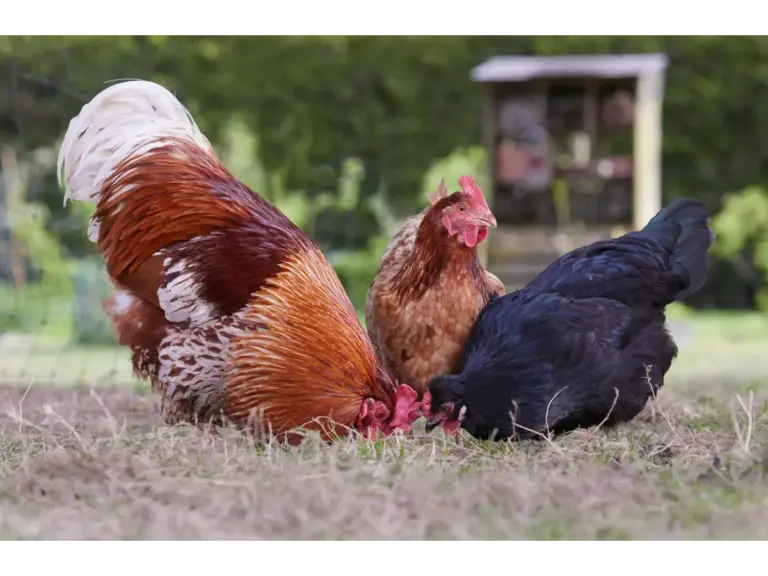
One of the biggest misconceptions is that suburban homesteading requires acres of land and a barn. Nope. People are doing it on patios, balconies, and yards barely big enough for a lawn chair. A few raised beds? Boom; fresh produce. A vertical garden? Suddenly, you’re drowning in herbs. A couple of chickens (where allowed)? Breakfast becomes a daily victory lap.
The magic is in the creativity. Suburban homesteading isn’t about replicating a farm; it’s about making the most of what you have. And honestly, watching people turn tiny spaces into thriving micro‑farms is one of the most inspiring things happening in modern home culture.
The Emotional Payoff No One Talks About
Here’s the part that hits deeper: suburban homesteading makes people feel good. Not in a “look at my aesthetic garden” way, but in a “wow, I’m actually connected to something real” way. There’s pride in nurturing something. There’s calm in stepping outside and touching soil. There’s joy in harvesting food you grew with your own hands.
It’s grounding. It’s healing. It’s a reminder that life doesn’t have to be all notifications and deadlines. Sometimes it’s just you, a watering can and a tomato plant that’s finally thriving after three dramatic near‑death experiences.
A Quiet Revolution Growing in the Suburbs
Suburban homesteading isn’t a trend; it’s a shift. A return to something people didn’t realize they were missing. A way to reclaim a little independence, reconnect with nature, and build a home that does more than look pretty. It’s small, intentional choices adding up over time, from what you grow in the yard to how you use what you already have. And in that rhythm, life starts to feel a little more grounded, a little more yours.
