
7 Best Vegetables to Plant in Your Garden in Late Summer

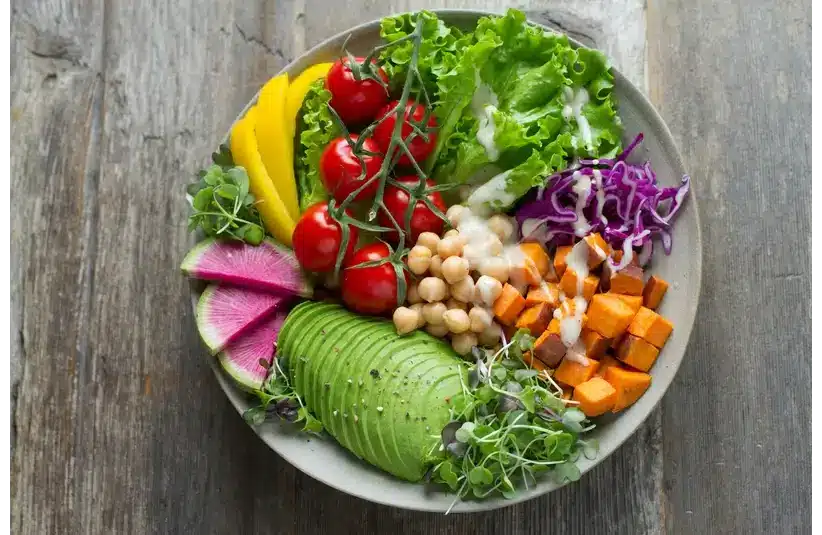
Spring is undeniably the main planting season, but a hot summer can serve as a second. Late August to September is at the height of summer, yet it isn’t too hot to plant. For smart gardeners, it’s a crucial time to begin fall harvest. The soil is still warm enough to support rapid plant growth before cooler weather arrives and slows them down. It’s also a perfect opportunity to sow early spring vegetables that failed in the summer heat. Read on as we share several veggies that can provide you with a bountiful fall harvest.
What Should I Consider Before Planting a Vegetable Garden in Late Summer?
Here are factors to keep in mind when deciding which vegetables to plant in late summer.
- Check your growing zone: to determine what you can plant depending on your USDA hardiness zone, but there is room for flexibility. Cooler regions 3-6 can grow a variety of leafy greens and root veggies, but some crops may use protective measures like cold frames to prolong their growing season. There is a possibility for growers in warmer zones 7-10 to stretch the summer cropping season from fall to winter, but it may be challenging to start off cool-weather crops too soon. When the sun is intense, partial shade planting can be a smart option.
- Know the first frost date: in your region and plan your planting around it before buying seeds. Frost approaching your area doesn’t indicate the end of the garden season but simply signals you to stock your vegetable garden with frost-tolerant cool-season plants that produce quick yields. Use the Almanac frost calculator or National Gardening Association tool by inputting your ZIP code to get an estimated figure. The number of days between your planting date and the first frost date is your fall growing window.
- Amend soil: with refresh organic debris or compost to prepare it for planting. The revitalization is important for areas that supported summer harvests and have exhausted soil nutrients. Ensure the soil is positioned in an area that receives at least 6 to 8 hours of sunlight daily.
- Length of growth days: is crucial to keep in mind, as plant growth often decreases in September and October due to darker and shorter days. You will have to extend the “maturity days” on the seed packs by an extra seven to ten days to get the exact time of harvest.
What Kind of Vegetables Should I Plant in My Late-Summer Garden?
There are a variety of veggies you can plant in the final days of summer. These vegetables can be either cool-season or short-season varieties, which allows you to begin savoring the unmatched flavor and freshness of homegrown produce in just a few weeks.
Beets
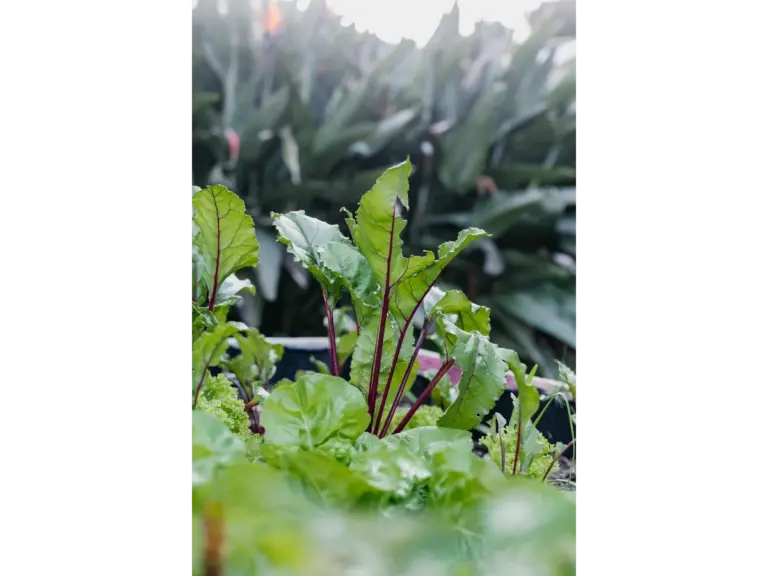
Often known as red beet or garden beet, with tops rich in vitamin A and roots high in vitamin C. It is both a frost-hardy and sun-loving plant. Cold temperatures enhance its flavor, causing the plant to convert its starch to sugar to protect it from freezing. Seeds can be directly sown 8 to 12 weeks before the first frost. Beets have quick growth and maturity. Even better, they have edible greens and leaves. You can roast, boil, pickle, or even bake them into cake. Multiple harvests are also possible since they are cut-and-come-again veggies.
USDA Growing Zone: 2 to 11
Days to Harvest: 50 to 75
Spacing: 2 to 6 inches
Sun Exposure: Full sun, partial shade
Soil Needs: Loamy, moist
Radishes
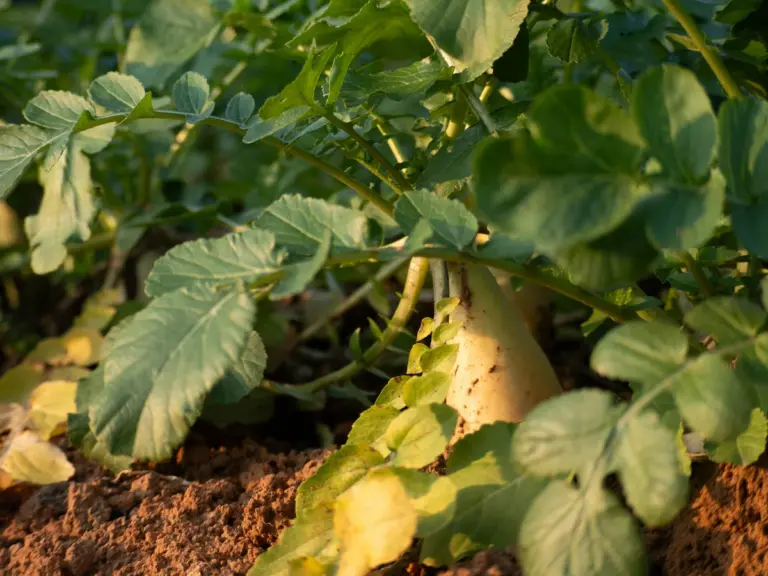
Are one of the easiest kitchen-garden plants to cultivate. Labelled the “fast food” of the garden because of all root crops, they are the quickest and least demanding. They basically take care of themselves once planted, watered(1 inch weekly), and thinned if required. Some varieties only require 18 days after seeding, but most are ready in about 45 days. Their preference to grow in a warm climate but mature better and taste sweeter in colder climates makes them ideal for late-summer planting. We recommend sowing radishes 45 to 60 days before the first frost date in fall and the same day range before the last frost date in spring.`
USDA Growing Zone: 2 to 10
Days to Harvest: 18 to 70
Spacing: 1 to 3 inches
Sun Exposure: Full sun, partial shade
Soil Needs: Loamy, sandy
Carrots
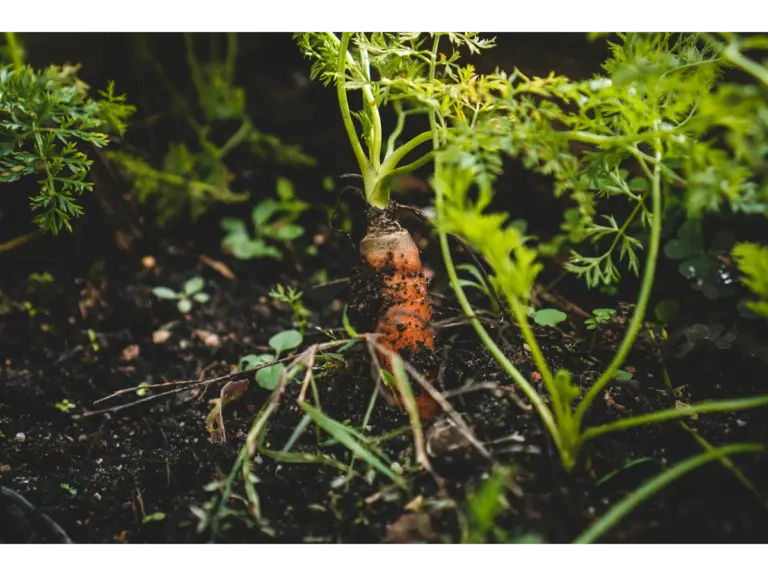
Ranks among the most popular veggies, right up there with onions. A classic crop typically grown during the summer and harvested in the fall. It’s best planted in late August, when the weather is lukewarm, to give them a good start and then mature in September or October. Carrots taste better at cooler temperatures, just as beets do, and withstand freezing temperatures by converting stored starches into sugars. Sow seeds directly 8 to 12 weeks before the first frost. Succession planting works well for carrots as it guarantees a consistent harvest instead of a massive, overwhelming stack.
USDA Growing Zone: 3 to 10
Days to Harvest: 55 to 80
Spacing: 1 to 3 inches
Sun Exposure: Full sun, partial shade
Soil Needs: Loamy, sandy
Spinach
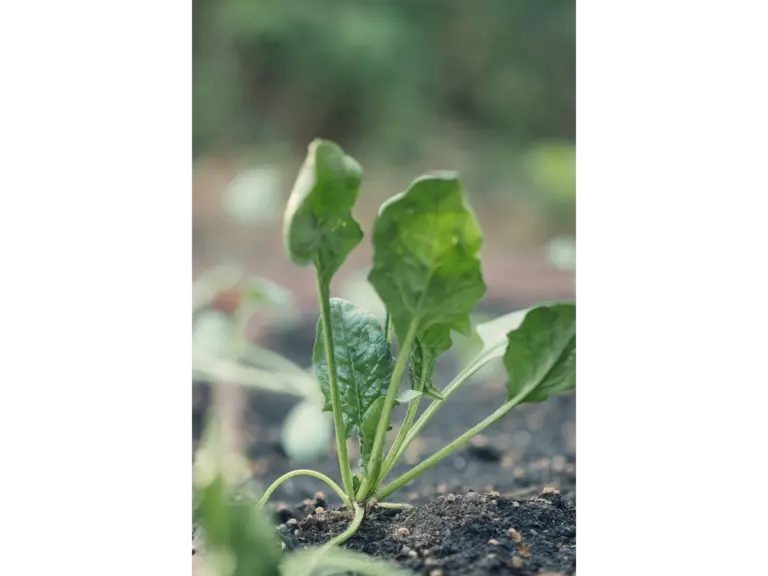
Offers gardeners a versatile and nutrient-dense leafy green. Its remarkable adaptability makes it suitable for planting in late summer. Planting the crop gets simpler due to shorter and cooler days as fall draws near than in the spring, when the plant is likely to bolt. As a strong feeder, spinach needs soil rich in organic matter to keep it damp, not soggy, for optimal germination.
Once sown in late summer to a few weeks before the first frost, you harvest throughout the fall and winter. Harvest starts when leaves reach a suitable size, usually 4 to 6 weeks after sowing. Multiple cuttings are obtainable from the same plant if correctly handled. Spinach is also a cut-and-come-again crop that can be harvested by progressively moving from the outer leaves to the core.
USDA Growing Zone: 4 to 8
Days to Harvest: 30 to 60
Spacing: 1 to 3 inches
Sun Exposure: Full sun, partial shade
Soil Needs: Loamy, sandy
Turnips
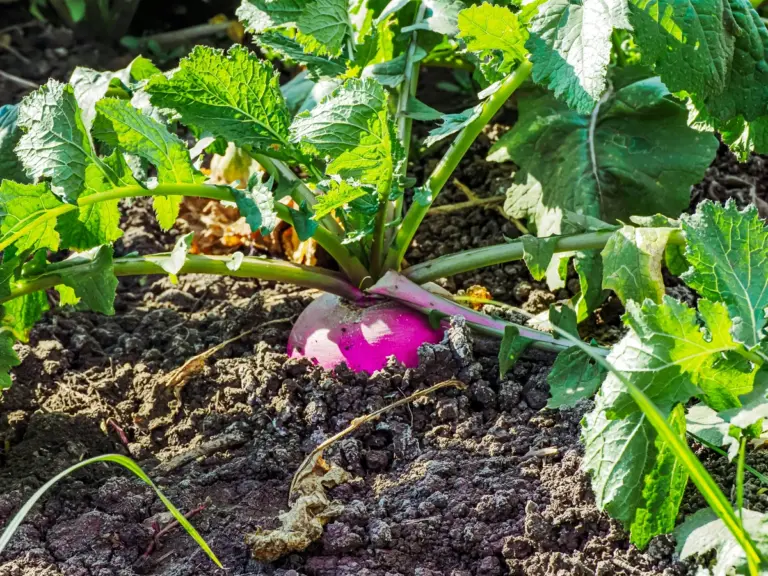
Like radishes are fast-growing vegetables that can be harvested in a matter of weeks—ready to eat once bulbs emerge above the soil level. Turnips planted in late August benefit from the summer’s residual warmth, which fosters quick emergence, while the cooler days and nights improve flavor and texture and promote growth and development. Directly sow seeds from late summer to early October, depending on your first frost date, and harvest when they are no bigger than 2 inches in diameter. Give turnips a try, not for their tasty bulbs, but also for their greens.
USDA Growing Zone: 2 to 9
Days to Harvest: 30 to 60
Spacing: 2 to 6 inches
Sun Exposure: Full sun, partial shade
Soil Needs: Loamy, sandy
Kale
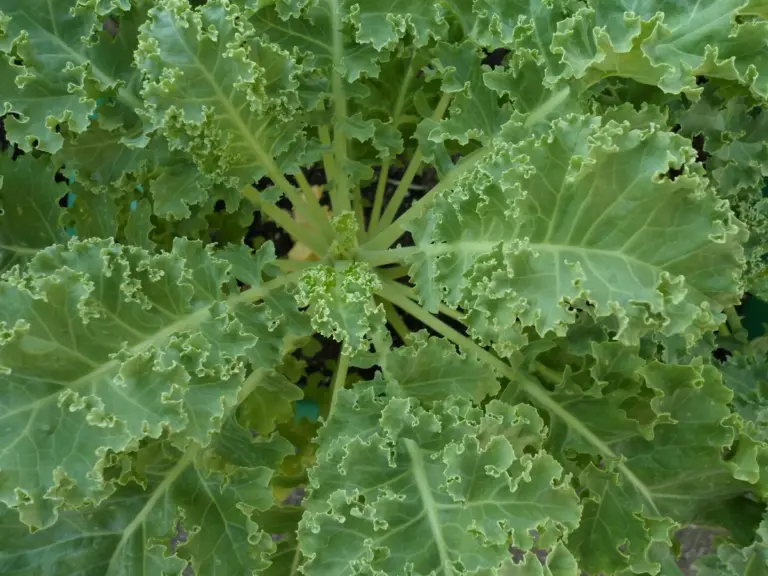
Also known as a non-heading cabbage, it is a classic vegetable to plant in late summer. Even though it’s not the best time for it to flourish, established ones can withstand the summer heat as long as they get sufficient water. The nutritional superhero is rich in iron and antioxidants and provides a lot of your daily vitamin A, C, and K needs. Kale is an easy-to-grow plant with minimal maintenance; it only requires regular cultivation and watering.
As a biennial, it may need no additional seeding for up to two years, maintaining its health for at least 18 months. This explains why it can survive harsh winters and intense summers. Plant kale seed up to 90 days before your last frost date. Directly sow seed only a quarter of an inch deep, and give each seed at least half a square foot of space at first due to plant size. Harvest kale when leaves are roughly the length of your hand. To avoid insect problems, plant garlic or chives near your kale seedlings.
USDA Growing Zone: 3 to 9
Days to Harvest: 50 to 60
Spacing: 12 to 24 inches
Sun Exposure: Full sun, partial shade
Soil Needs: Loamy, moist
Lettuce
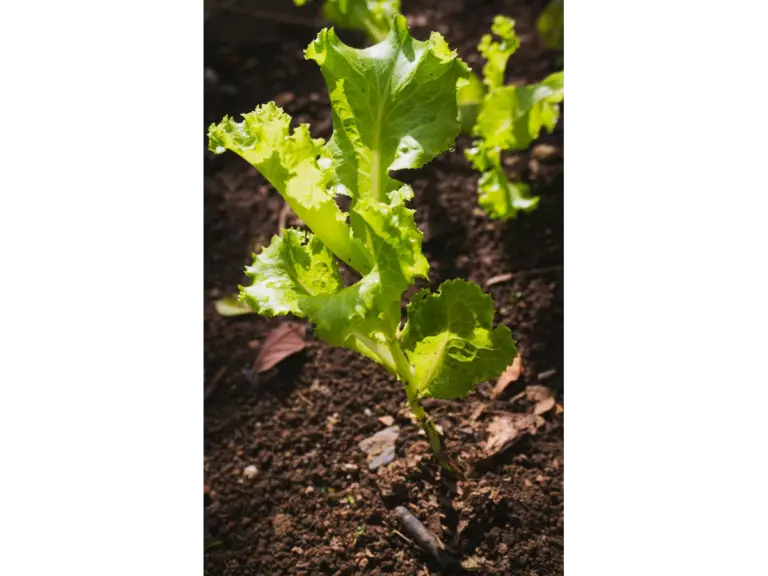
It is generally a delicate plant. However, it has varieties like summer crisps and loose-leaf types that are surprisingly resilient, making it an excellent crop to plant in late summer. So long as there is adequate drainage, lettuce may grow in different soil types. For optimal results, keep the soil moist and cool but not waterlogged, and locate a position for it in your garden with moderate shade. Lettuce produces juicy, crispy, and sweet leaves when it has a quick uninterrupted growth; you will have to treat the soil with a high-nitrogen feed to encourage leafy development.
For a continual crop, sow a few seeds at 14-day intervals from late August through September. Plant seeds in single, double, or triple rows spaced 12 to 18 inches apart, ¼ to ½ inch deep. For leaf lettuce, thin seedlings to 4 inches apart; for cos or butterhead, thin seedlings to 6 to 8 inches apart. Due to lettuce’s small seed, scatter it over fine soil and cover it lightly with sieved soil or seed starting mix. Nothing beats growing your lettuce; it will save you tons of money and tastes entirely different than lettuce bought at the store.
USDA Growing Zone: 2 to 11
Days to Harvest: 45 to 75
Spacing: 8 to 12 inches
Sun Exposure: Full sun, partial shade
Soil Needs: Loamy, well-drained
Tips For Planting in Late Summer
Late summer comes with some challenges, but a few things can help you maintain the health of your vegetable garden and encourage a plentiful yield. Some pointers include;
- Adequate watering remains the secret to conserving water during the late summer. It ensures rapid and reliable seed germination as well as a healthy yield from your mature plants. An inch of water weekly should be enough.
- Using organic mulch like leaves or straw cools the soil and minimizes water evaporation on its surface.
- Control infestations using natural methods, as insect populations reach their apex in late summer.
- Overripe garden crops are targets for certain pests. Remove them as soon as you can to ward off pests.
- Some plants will require shade during the intense heat and some cover during cool weather.
- Follow up with the weather forecast to know when to provide shade and coverage for plants.
Planting Your Vegetable Garden In Late Summer Is Still Possible
Climate change, pests, and diseases are among the issues that shape the assumption that planting ends in late spring or summer. This assumption is the biggest mistake most beginners make that discourages many and makes some stop cultivating. Many crops thrive in late summer. The period is ideal to plant a few rounds of fast-growing, hardy veggies one last time. Though these crops tend to flourish later in the year, they still require a good start when sunlight is abundant, and soil temperatures are high enough to facilitate rapid germination. Therefore, take advantage of the final days of summer to plant the right variety of vegetables and set yourself up for a plentiful harvest in the month ahead.
