
Outward 2 Beta Playtest Reveals a Promising Sequel Still Searching for Its Footing

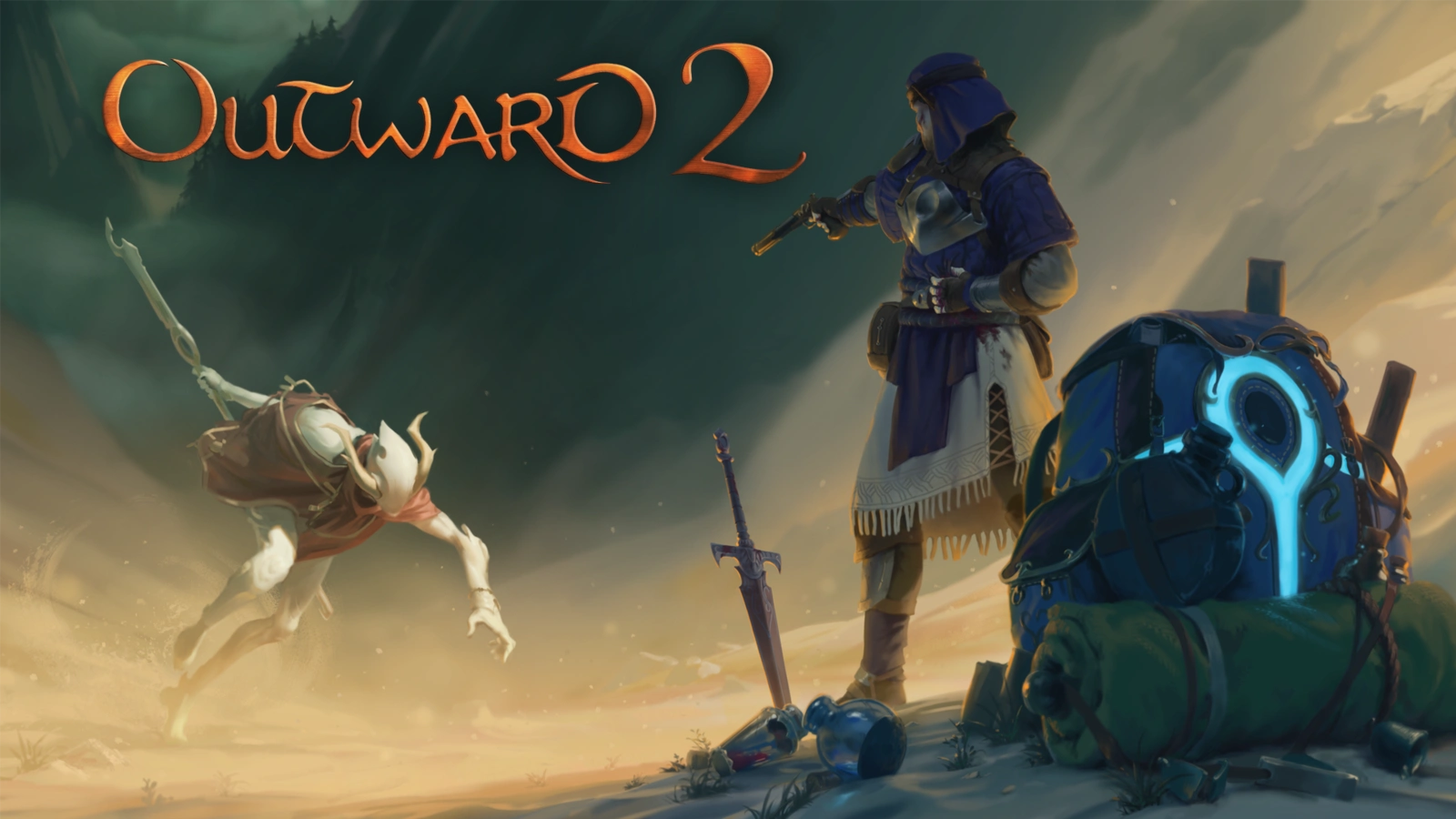
The original Outward built a loyal audience by rejecting many conventions of modern RPG design, with no chosen heroes, no enemy scaling, and very little hand-holding. Success came from preparation, caution, and learning through failure; character growth was never the primary reward. The beta playtest suggested that Outward 2 intended to preserve that philosophy while expanding on it in meaningful ways.
As more players gained access and community discussions expanded, a different picture began to form. Many players admired the ambition behind the game’s systems; others ran into technical problems, uneven mechanics, and design choices that didn’t quite land. Those recurring issues eventually led Nine Dots Studio to push the release to 2027 so the team could regroup, study the feedback, and put more time into polishing the experience.
A World That Punishes Carelessness

A recurring takeaway from the beta is that the world is still as punishing as ever, even in this early build where one mistake can send a run spiraling into lost gear, lingering wounds, or a long walk back to safety with nothing gained. Core survival elements such as hunger, fatigue, and resource management still influence nearly every decision the player makes. They shape the pace of exploration and constantly remind you that the world isn’t designed to make things easy.
Players also spent time debating whether each setback came from intentional difficulty or from systems that still need more work. Some situations felt fair, while others left people unsure whether they had made a mistake or simply run into unfinished mechanics. Many players enjoyed the demanding nature of the game, but several discussions pointed out that some failures could be communicated more clearly.
Combat Shows Improvement but Remains Inconsistent
Combat is one of the areas where the sequel is striving hardest to improve upon the original. It leans heavily on positioning, stamina control, and timing rather than oversized abilities or overpowering weapons. When the mechanics line up the way they should, fights feel tense, measured, and genuinely satisfying.
The problem is that many players reported performance hiccups, animation issues, and combat interactions that did not always behave predictably. Enemy aggression can create exciting moments, but it can also expose rough edges when multiple systems collide. The foundation looks stronger than the first game in some respects, yet it is easy to understand why the developers concluded more development time was necessary.
Emergent Chaos: Outward’s Greatest Strengths
Some of the most memorable stories coming out of the beta playtest aren’t scripted moments but unexpected disasters. A routine fight turns into a desperate retreat, a trap goes off at the worst possible time, or a simple expedition ends in complete catastrophe. These situations continue to create the unique blend of tension and comedy that longtime fans expect.
A big part of why these moments land is that the game’s systems collide and react in ways that feel unscripted. Progress often comes from reacting to unexpected problems rather than following a perfect plan, and that flexibility is part of what gives the game its identity. Even players who criticized the beta’s rough edges noted that the core philosophy of Outward is still present beneath the surface.
Co-Op: The Main Attraction
Solo play is still an option, but cooperative play once again seems to be where the game finds its strongest footing. Sharing the burden of bad decisions, recovering from close calls, and navigating dangerous areas together creates stories that feel more personal than what most structured RPGs offer.
That said, co‑op also exposed several of the game’s current weaknesses. Bugs, performance dips, and occasional sync issues became more noticeable when multiple players were involved. The systems encourage teamwork and improvisation, but the technical side clearly needs more attention before it reaches its full potential.
Bigger Ambitions Are Easy to See

The beta playtest also offered a look at a world that appears larger and more detailed than what players explored in the original game. The newer regions come across as more intentionally built, and the larger spaces suggest the team is aiming for a wider scope this time. Those ambitions are part of what makes the current state of the game easier to understand.
Several forum threads focused on issues such as quest progression bugs, inconsistent enemy behavior, inventory frustrations, and performance problems. Even among players who enjoyed the beta playtest, many agreed the game needed additional development time. As it would turn out, the developers agreed.
The Delay: A Response to Real Concerns
The conversation eventually moved beyond small fixes and shifted toward whether the game was truly ready for Early Access. As more players compared their experiences, the tone changed from curiosity to concern. Before long, the conversation shifted away from single issues and toward whether the project as a whole was actually ready.
Nine Dots Studio ended up agreeing with much of that feedback. When the team announced the delay to 2027, they explained that releasing the game on the original timeline would not match what players expected. Instead of pushing ahead, they chose to step back, review the beta’s results, and give the game more time to grow before asking anyone to commit to it.
A Sequel’s Verdict: Not Yet Ready

The beta playtest still made it clear that Outward 2 understands what made the first game resonate with its audience. The core ideas are present, and the design philosophy remains recognizable even through the rough edges. That foundation is part of why many players remain optimistic despite the delay.
Players kept circling back to the same concerns about bugs, half‑finished systems, and rough edges that tended to drown out the game’s better moments. The delay is disappointing for people who wanted to jump in sooner, but it also shows the studio is willing to slow down and fix things instead of pushing out a shaky release. That willingness to pause and reassess is often what separates a troubled launch from a successful one.
If the extra development time helps Nine Dots Studio address the concerns raised during the beta, Outward 2 could still become the sequel players have been waiting for. The potential is visible in nearly every part of the beta playtest. The question now is how effectively the team can refine that potential over the coming year.
