
Nintendo’s Powerful Strategy for Preserving Brand Identity Across Generations

Nintendo has been in the business of reinvention for more than forty years, yet its characters feel as sharp and recognizable today as they did in the NES era. That’s not an accident. It’s the result of a deliberate, almost obsessive commitment to brand identity—one that shapes everything from game mechanics to character silhouettes to the way franchises evolve (or don’t) over time.
As the company continues expanding Mario, Donkey Kong, Zelda, and Pokémon across games, movies, theme parks, and merchandise, Nintendo’s approach to identity has become even more important. And unlike most publishers, Nintendo doesn’t treat brand identity as a marketing exercise. It treats it as a design philosophy.
Characters First, Mechanics Second
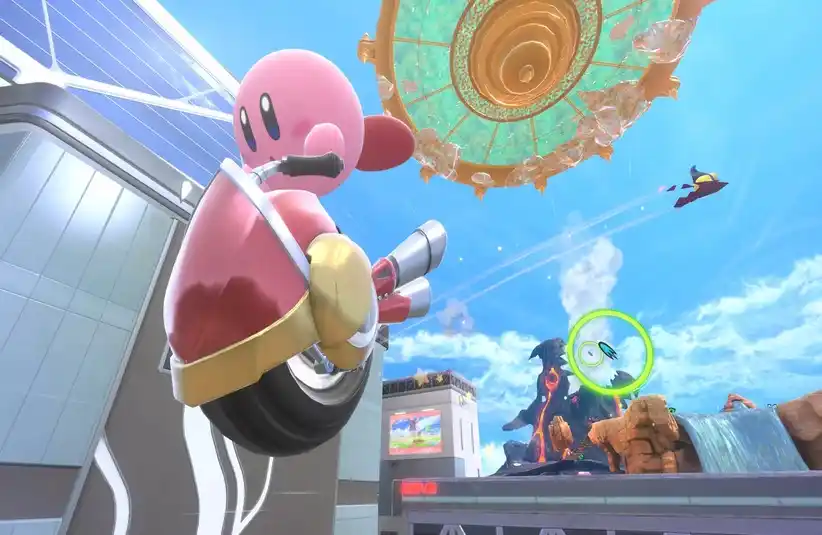
Nintendo’s most enduring principle is deceptively simple: characters define the gameplay, not the other way around. Mario jumps because he’s Mario. Donkey Kong smashes because he’s Donkey Kong. Kirby inhales because he’s Kirby. These aren’t interchangeable verbs—they’re expressions of personality.
That’s why Nintendo is so protective of keeping characters distinct. When Kenta Motokura says Mario and Donkey Kong must remain separate, he’s not talking about lore. He’s talking about identity. Mario games are built around agility, precision, and playful experimentation. Donkey Kong games are built around weight, momentum, and physicality.
Those differences aren’t just flavor—they’re the foundation of how players understand the characters. Nintendo knows that if you blur those lines, you dilute the brand.
Iteration Without Erosion

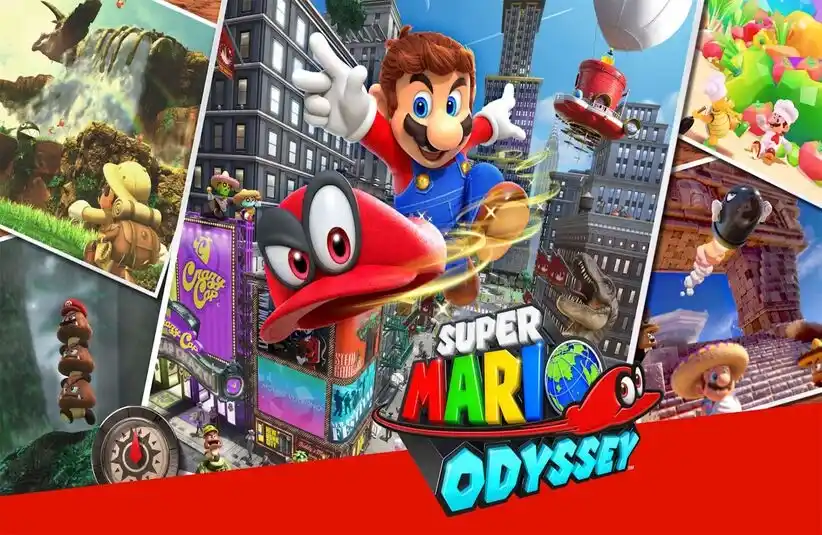
Nintendo’s franchises evolve constantly, but they rarely lose sight of their core. Breath of the Wild reinvented Zelda, but Link is still Link. Odyssey expanded Mario’s moveset, but he’s still the same expressive, approachable hero he’s always been. Even Pokémon Legends: Arceus—the biggest shake‑up the series has seen in years—still feels unmistakably Pokémon.
Nintendo’s trick is iteration without erosion. It pushes boundaries, but never at the expense of identity. The company is willing to experiment with structure, pacing, and mechanics, but it protects the emotional and thematic DNA of each franchise with almost religious discipline.
That’s why Mario can star in a 3D platformer, a 2D side‑scroller, a kart racer, a soccer game, and a turn‑based RPG without ever feeling inconsistent. The gameplay changes. The identity doesn’t.
Visual Language That Never Ages
Nintendo’s art direction is another pillar of its brand longevity. The company favors bold silhouettes, clean shapes, and expressive animation—styles that age gracefully and translate across hardware generations.
Mario’s hat, Link’s tunic, Samus’s armor, Pikachu’s outline—these designs are timeless because they’re readable at any resolution, on any screen, in any medium. The company doesn’t chase realism. It chases clarity. And clarity lasts.
This visual consistency also makes cross‑media expansion easier. The Mario movie works because the characters already look like they belong in animation. The theme parks work because the worlds are built from shapes and colors that translate perfectly into physical space.
Mechanics as Identity Anchors
Nintendo’s mechanics aren’t just gameplay—they’re branding. The company uses mechanics to reinforce character identity in ways most studios don’t even attempt.
- Mario’s jump is iconic because it’s expressive, responsive, and central to his personality.
- Donkey Kong’s weight defines his entire moveset and level design.
- Kirby’s inhale is both a mechanic and a metaphor for who he is.
- Link’s tools define him as a problem‑solver first, warrior second.
These mechanics become shorthand for the characters themselves. Even when they experiment, it keeps these anchors intact.
A Culture Built on Craft, Not Trend‑Chasing
Nintendo’s brand identity survives because the company refuses to chase trends. It observes them, learns from them, occasionally absorbs them—but it never lets them dictate direction.
When the industry pivoted to gritty realism, Nintendo doubled down on color. When everyone chased live‑service models, Nintendo focused on evergreen titles. When publishers leaned into cinematic storytelling, Nintendo leaned into playfulness and mechanical clarity.
This stubbornness is often framed as conservatism, but it’s actually discipline. The behemoth company knows what its characters are, what they aren’t, and what they can never become.
The Result: A Brand That Outlives Generations
Nintendo’s characters aren’t just mascots—they’re cultural fixtures. They survive hardware cycles, market shifts, and generational turnover because the company treats identity as a design constraint, not a marketing slogan.
Mario and Donkey Kong staying distinct isn’t a small creative choice. It’s part of a larger philosophy that has kept Nintendo relevant for nearly half a century. The company doesn’t just protect its brands—it curates them, shapes them, and ensures they remain unmistakably themselves no matter how the industry changes.
