
Nintendo Producer Explains Why Mario and Donkey Kong Must Stay Creatively Separate in 2026 and Beyond

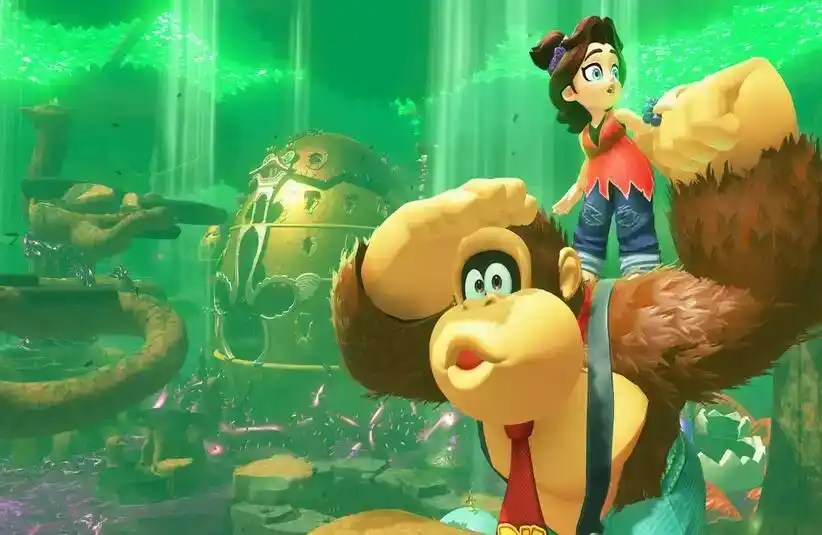
Nintendo is drawing a clear line between two of its oldest icons. During a GDC 2026 panel focused on Donkey Kong Bananza, longtime Nintendo producer Kenta Motokura explained why Mario and Donkey Kong—despite sharing decades of history, developers, and even some design DNA—must remain creatively separate. It’s a rare moment of candor from inside Nintendo’s design philosophy, and it sheds light on how the company approaches two of its most recognizable franchises.
Motokura’s team at Nintendo has a unique vantage point. They helped build Super Mario Odyssey, one of the most critically acclaimed Mario titles ever made, and then shifted to Donkey Kong Bananza, a game that leans heavily into Kong’s raw physicality. Working on both series back‑to‑back forced the team to confront a question that’s been floating around since the arcade era: how do you keep Mario and Donkey Kong distinct when they share so much history?
Two Characters, Two Audiences, Two Design Philosophies
According to Motokura, the answer starts with understanding who each character appeals to. Mario is the universal mascot—approachable, agile, and endlessly adaptable. Donkey Kong, on the other hand, is defined by weight, strength, and momentum. Those differences aren’t just cosmetic; they shape the entire design of their games.
GamesRadar’s coverage of the panel captured this tension perfectly. The developers openly asked themselves: “Is there perhaps a slightly different kind of person that might prefer one character over the other?” That question became a guiding principle for Bananza’s design.
Where Mario games emphasize precision platforming, fluid movement, and playful experimentation, Donkey Kong games lean into power, impact, and physicality. Bananza’s mechanics—heavy swings, environmental destruction, and weight‑driven traversal—were built specifically to highlight what Mario can’t do. The team wanted players to feel the difference instantly, even without being told.
Bananza’s Design Was Built Around What Mario Isn’t
Motokura explained that the team intentionally focused on Kong’s raw strength to differentiate him from Mario. That meant designing levels, enemies, and interactions around force rather than finesse. Steel.com’s summary of the panel noted that Bananza’s mechanics were deliberately shaped to emphasize Kong’s physicality and make it impossible to mistake the game for a Mario title.
This wasn’t just a thematic choice—it was a structural one. The developers asked themselves what Mario wouldn’t do, and then built Bananza around those answers. Heavy lifts, smashing through obstacles, and momentum‑based traversal became core pillars of the game’s identity.
Even so, Motokura acknowledged that some ideas from Super Mario Odyssey influenced Bananza’s development. The team didn’t want to erase their past work—they wanted to evolve it in a direction that made sense for Donkey Kong. That cross‑pollination is part of what gives Bananza its unique feel: familiar Nintendo polish, but filtered through a character who solves problems with force instead of finesse.
Nintendo Wants the Characters Separate—Even Across Mediums
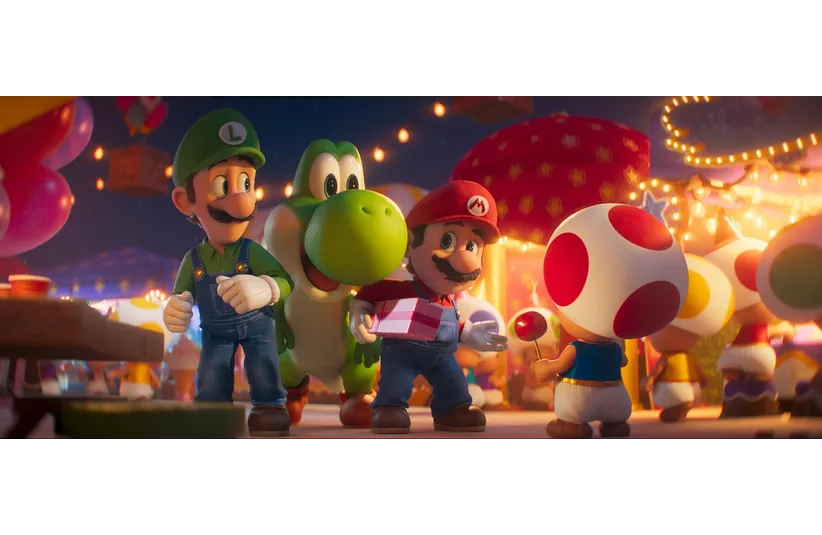
The distinction between Mario and Donkey Kong isn’t limited to gameplay. In a follow‑up interview with IGN, Motokura clarified that the Donkey Kong seen in Bananza is not the same version that appears in The Super Mario Bros. Movie. Nintendo treats them as separate interpretations, each tailored to the tone and goals of their respective projects. GoNintendo highlighted this detail, noting that Nintendo is intentionally maintaining creative distance between the two portrayals.
It’s a small but telling insight. Nintendo isn’t just separating the characters mechanically—they’re separating them narratively and stylistically across the entire brand.
Why This Matters for Nintendo’s Future
Nintendo’s approach here is deliberate. Mario and Donkey Kong may share a legacy, but they serve different roles in the company’s modern ecosystem. Mario is the flagship, the face of the brand, the character who can fit into almost any genre. Donkey Kong, meanwhile, thrives when his games embrace weight, power, and physical comedy.
By keeping the two franchises distinct, Nintendo protects the identity of both. Mario stays flexible. Donkey Kong stays powerful. And players get two series that feel unique rather than interchangeable.
Motokura’s comments make one thing clear: as Nintendo continues expanding its biggest franchises—across games, movies, and whatever comes next—the company is committed to preserving what makes each character special. Mario and Donkey Kong may share a past, but their futures are intentionally, thoughtfully different.
