
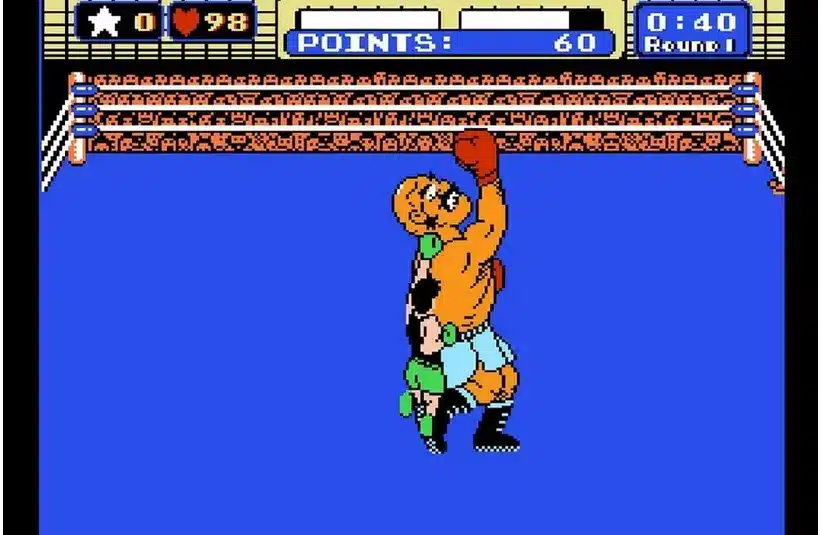
Ultra‑Rare Punch‑Out!! NES Prototype Released Online After $45K Auction

Every time a relic of gaming’s early years surfaces, the preservation world collectively tenses. Will this artifact end up in a museum of shared knowledge, or disappear into the private vault of someone who treats prototypes like dragon‑hoard currency? That was the anxiety earlier this year when an extremely rare Punch‑Out!! NES prototype hit the auction block and sold for $45,000 — not the $60,000 figure that initially circulated. But in a twist that feels almost mythic in this hobby, the anonymous buyer didn’t lock it away. They liberated it.
According to The Cutting Room Floor — the internet’s most meticulous archive of early builds, cut content, and development oddities — the cartridge surfaced in 2026 after allegedly being sold at a garage sale by a former Nintendo of America employee. Heritage Auctions handled the sale. A mystery bidder paid the $45K. And then, in a move that preservationists dream about but rarely see, that buyer allowed the ROM to be dumped and released publicly.
For NES historians, this isn’t just a cool find. It’s a once‑in‑a‑generation anomaly.
A Prototype That Shouldn’t Exist — But Does
Most pre‑production NES cartridges are barely different from retail builds. They’re late‑stage, nearly finalized, and often indistinguishable from the version that hit store shelves. This one? It’s a time capsule from an era before Mike Tyson’s name, likeness, or licensing deal ever entered the picture.
Booting it up reveals only four fighters from the final roster. Others exist in the code, but in half‑formed states — ghosts of a game still figuring out what it wanted to be. There’s also a hidden debug menu that lets you cycle animations, a peek behind the curtain at how Nintendo’s developers tested timing, hit reactions, and character states.
Frank Cifaldi, founder of the Video Game History Foundation and one of the most respected prototype archivists alive, broke down the contents in a recent video. His reaction says everything:
“Not only is an early look at NES development like this rare, the fact that it’s a famous first‑party Nintendo game is unheard of. I’ve been handling and studying NES prototype cartridges for over 25 years now, and I’ve never seen anything like this, either physically or digitally.”
That’s not hyperbole. Nintendo’s internal development materials almost never escape into the wild. The company is notoriously secretive, and early builds of its flagship titles are treated like state secrets. The idea that a prototype this early — this raw — survived at all is shocking. The idea that it’s now publicly accessible is borderline miraculous.
Why This Matters More Than You Think
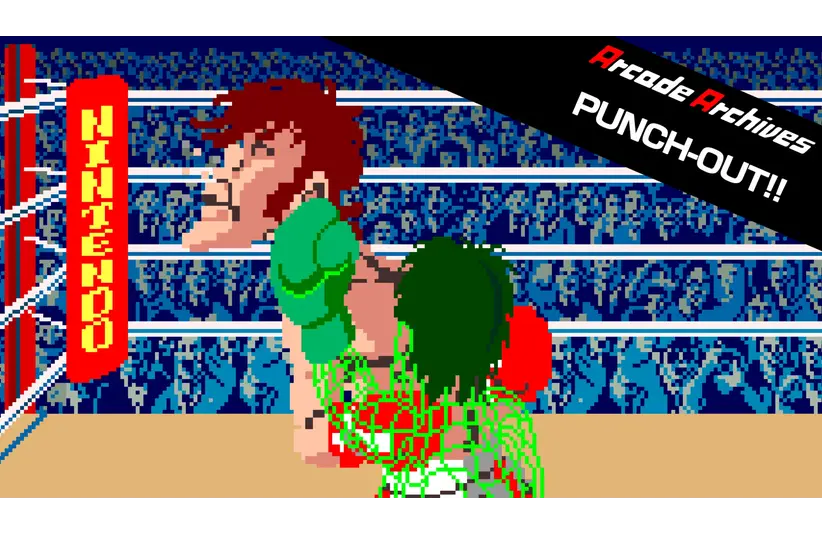
Prototype collecting has always had a complicated relationship with preservation. Some collectors are generous. Many are not. There’s a long‑standing belief in certain circles that releasing a ROM “devalues” the physical cartridge, as if knowledge itself were a contaminant. That mindset has kept countless early builds locked away, unseen, unstudied, and effectively dead.
That’s why this Punch‑Out!! prototype is such a big deal. It’s not just the rarity of the cartridge — it’s the rarity of the decision.
Cifaldi puts it plainly:
“I struggled to think of any other beloved game from this era where a snapshot this early in its life has survived.”
This is the kind of artifact that rewrites timelines, clarifies development histories, and fills in gaps that have existed for decades. It’s the kind of thing historians dream of finding but assume they never will.
And for once, the story doesn’t end with a collector slamming a vault door shut.
A Preservation Win in a Hobby That Desperately Needs Them
The anonymous buyer didn’t have to share this. They could’ve kept it sealed in a humidity‑controlled display case, bragged about it in private Discords, and let the data rot on aging EPROM chips. Instead, they chose the path that benefits everyone — researchers, fans, archivists, and the future of game history itself.
It’s a rare moment where the preservation community gets to celebrate instead of mourn.
So yes: thank you, mystery buyer. May your wallet remain mighty, your rivals remain salty, and your future auctions continue to end with prototypes landing in the hands of people who believe history is meant to be studied — not hidden.
Because this time, the good guys won.
