
Why Nintendo’s Unique Brand Identity Differs From, and Often Wins Against, Sony and Microsoft

Nintendo has spent four decades proving that brand identity isn’t just a marketing tool—it’s a design philosophy. While Sony and Microsoft build their ecosystems around hardware power, services, and cinematic prestige, Nintendo builds around character, clarity, and emotional continuity. The result is a company whose franchises feel timeless, even as the industry around them shifts every few years.
This isn’t about who’s “better.” It’s about three companies with fundamentally different ideas of what a gaming brand is. And Nintendo’s approach stands apart because it treats identity as something you protect, not something you pivot.
Nintendo Builds Identity From the Inside Out

Nintendo starts with characters. Always. Mario, Link, Donkey Kong, Kirby, Samus—these aren’t mascots slapped onto genres. They’re the foundation of the gameplay itself. Mario jumps because he’s Mario. Donkey Kong smashes because he’s Donkey Kong. Kirby inhales because that’s who he is.
The company’s brand identity is built from the inside out:
- Mechanics express personality
- Visuals reinforce silhouette and emotion
- Tone stays consistent across decades
- Innovation happens around the character, not through replacing them
This is why Mario can star in a platformer, a kart racer, a soccer game, and a rhythm title without losing coherence. The company protects the emotional core of its characters so fiercely that even massive reinventions—Breath of the Wild, Odyssey, Arceus—still feel unmistakably Nintendo.
Sony Builds Identity Through Prestige and Cinematic Craft
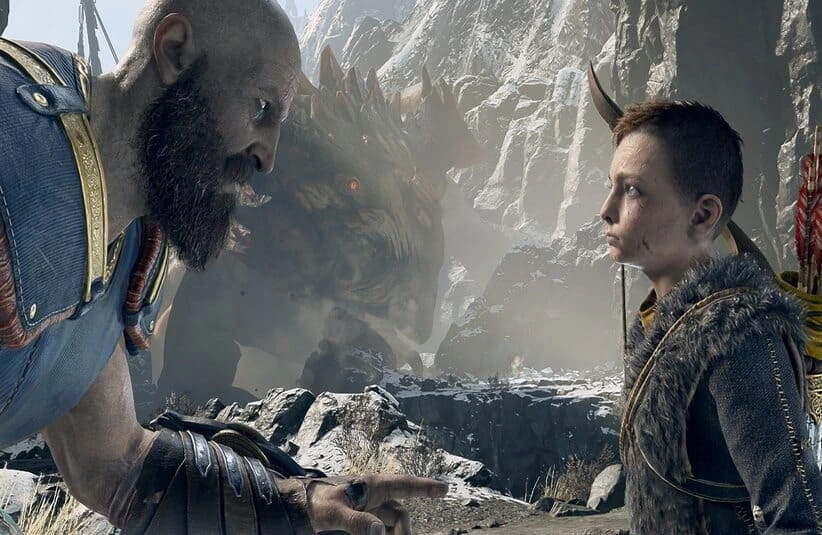
Sony’s brand identity is almost the mirror opposite. Where Nintendo leans into timeless characters and playful mechanics, Sony leans into prestige, narrative weight, and technical spectacle.
Sony’s pillars look like this:
- Cinematic storytelling
- High‑fidelity realism
- Mature themes and emotional drama
- Hardware that pushes visual boundaries
Sony’s franchises—The Last of Us, God of War, Horizon, Ghost of Tsushima—aren’t built around mascots. They’re built around worlds, tone, and narrative ambition. Characters evolve dramatically. Art direction shifts. Mechanics reinvent themselves. Sony’s identity is fluid, prestige‑driven, and tied to the idea that games can be “serious” art.
It’s a powerful strategy, but it’s also one that ages faster. Realism dates. Trends shift. What feels prestigious today can feel conventional tomorrow. Sony’s identity is strong, but it’s tied to the moment.
Nintendo’s is tied to the player.
Microsoft Builds Identity Through Ecosystem and Access
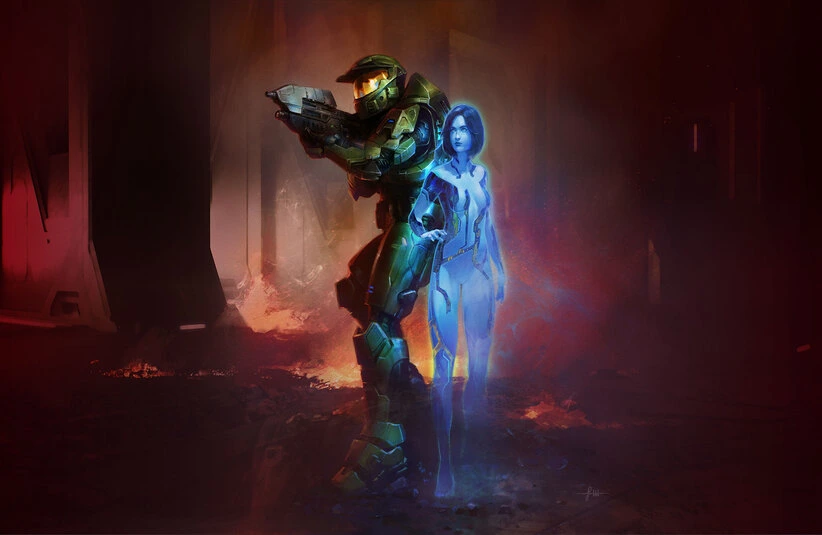
Microsoft’s brand identity is built around infrastructure. Game Pass, cloud streaming, cross‑platform play, backward compatibility—Microsoft’s strategy is less about characters or cinematic worlds and more about creating the most accessible, frictionless ecosystem in gaming.
Microsoft’s pillars:
- Play anywhere
- Subscription‑driven value
- Cross‑device continuity
- A library‑first identity
Franchises like Halo, Gears, and Forza matter, but they aren’t the core of Microsoft’s identity anymore. The ecosystem is. Microsoft wants players to think of Xbox as a platform that follows them across devices, not a console tied to a single generation.
It’s a smart strategy for reach and longevity, but it doesn’t create the same emotional imprint Nintendo cultivates. Microsoft builds loyalty through convenience. Nintendo builds loyalty through affection.
Why Nintendo’s Identity Endures While Others Evolve
Sony and Microsoft adapt their identities every generation. Nintendo doesn’t. And that’s the point.
Their identity is built on:
- Timeless characters
- Mechanics that express personality
- Visual clarity over realism
- Playfulness over prestige
- Consistency over trend‑chasing
Sony’s identity is built on cinematic ambition. Microsoft’s is built on ecosystem dominance. Both are powerful. Both are modern. Both are flexible.
But Nintendo’s identity is iconic.
It’s why Mario still feels like Mario. Why Donkey Kong still feels like Donkey Kong. Why Zelda can reinvent itself without losing its soul. The company doesn’t just maintain brand identity—it curates it, protects it, and treats it as the heart of everything it makes.
Sony and Microsoft build platforms. Nintendo builds worlds.
