
“Bye Bye Bye” Dance Battle: Sony Struggles As Lawsuit Flies

Adults who saw the movie “Deadpool & Wolverine” may have seen the intro dance and felt a wave of nostalgia without connecting why. Those who were teens or already adults in the 2000s might remember the *NSYNC song that became an earworm for several years. It was a major hit for over 3 months, being played over and over on the airwaves. It seems Sony is facing a major backlash as the original choreographer, Darrin Henson, has filed a lawsuit regarding his original dance moves used in the opening credits for “Deadpool & Wolverine.”
Dance Moves Meet Lawsuits
The spunky Deadpool dance has taken a turn as it enters a legal warzone. Choreographer Henson alleges the dance moves he crafted in 2000 for *NSYNC’s song were used without asking. The argument stems from a lack of consent on his behalf, but also financial damages from not being properly credited. The claims raise a question integral in today’s market regarding ownership of movement in the digital age. He is challenging the film industry’s dependency on things going viral, sparking a debate over where copyright ends and a choreographer’s intellectual property begins.
The man behind the signature puppet-string motions of the original *NSYNC music video argues that while Sony may own the master recording of the track, they don’t own the movements he choreographed. The lawsuit claims that the film’s production and marketing materials used his work to drive engagement and revenue without obtaining the proper licensing. This isn’t just about a single movie scene; it is a structured challenge to how Hollywood and record labels view choreography.
Dance has occupied a gray area in copyright law compared to lyrics or melody, but as these movements become central to a film’s identity, creators like Henson are demanding a seat at the table. Just as the use of lyrics requires proper permission and credit, not to mention financial compensation, the same should apply to the dance moves the choreographer creates.
Digital Gaming Taking the Hits in Real Time
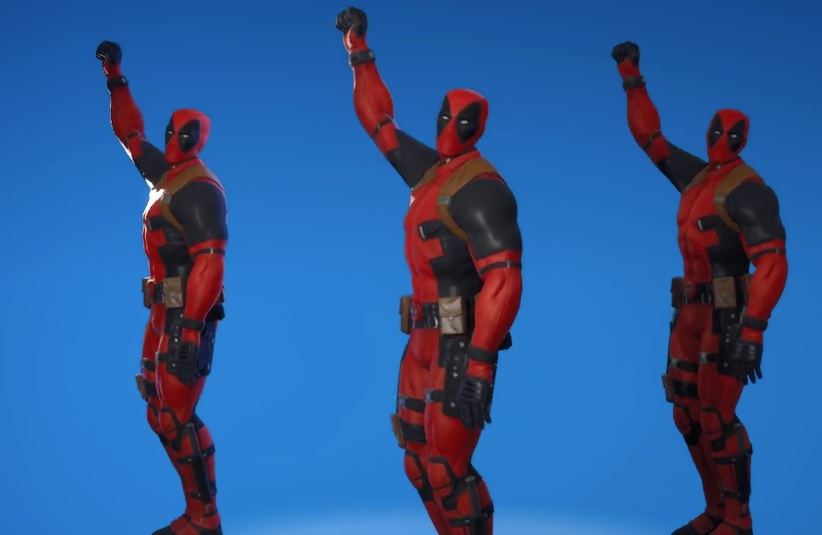
The controversy has very real, tangible consequences for the gaming industry. Enter Fortnite, developed and owned by Epic Games. Fortnite is known for its Icon Series emotes, which introduced the iconic “Bye Bye Bye” dance to its shop with the film’s release. Since the legal filing started up, the emote has become a major point of concern for gamers.
History has shown that Epic Games is quick to distance itself from potential litigation; they previously faced similar hurdles with the Carlton dance and other viral moves. The removal or restricted availability of the emote in the Fortnite shop is a reminder of how legal disputes in the music and film sectors can instantly unsettle the digital economies of the gaming world. When a dance becomes condemned legally, it vanishes from the virtual stages where millions of players interact with it.
Users on social media are notably upset that the popular Fortnite emote has not been available in the Item Shop since its Sept. 2024 debut, with concerns of the emote being vaulted to never return. Some speculate that bodily movements cannot be copyrighted, which may make the lawsuit questionable. Others remark how the dance is considered one of the best of all time, lending potential weight to the issue at hand.
One thing is for certain: Deadpool has become something of a meme legend, and this lawsuit will just be another nail in his proverbial coffin as to his overall impact on the world.
Social Media is a Viral Trap

In the context of the social issues the lawsuit brings, it highlights a contrast of friction where meme culture and creative intellectual property intersect. Platforms like Snapchat, TikTok, and Instagram make it easy for things to suddenly go viral, creating buzz around things that become part of everyday conversation. When things become famous, such as dances, many assume they belong to the public. It is no longer a single person’s creation but the world’s.
The Deadpool opening was made to be shared, recreated, memed, and parodied. The corporate greed of this viral moment, from the silver screen to digital game storefronts, creates a financial gray area. If someone’s work can be used digitally in video games simply because it is recognizable, it sets a dangerous tone for all performing artists. The lawsuit facing Sony right now signals a shift where the industry can no longer rely on the fun nature of a trend to bypass the legalities of creative ownership.
