
Chuck Norris: The Legacy With Unlimited Continues


Chuck Norris built something lasting in the world of digital entertainment long before most people noticed. The roundhouse kick, the stoic stare, the unbeatable aura—these elements slowly crystallized into a recognizable archetype that video games would borrow from again and again. He never actually starred in many games himself, yet his presence seeped into the industry like a slow punch to the gut. How did a martial artist from the silver screen end up shaping the DNA of so many virtual worlds?
The Unstoppable Hero Is A Norris Clone
At its core, this character type rests on a single straightforward concept: the unstoppable hero. Early gaming culture built itself around difficulty, forcing players to scrap for every bit of ground they gained. Yet somewhere along the line, things changed, and game makers began placing figures into their worlds who operated outside the typical constraints of conflict.
Those characters carried themselves through the game with a quiet weight, giving off the sense they had already faced every challenge worth facing long before the player picked up the controller. Gamers took control and felt a sudden rush of assurance, like tapping into just a sliver of that mythic strength. Does that sense of effortless superiority trace back to the man who once fought Bruce Lee?
Quiet Strength Became Gaming’s Loudest Voice
Video games began incorporating this archetype in subtle ways during the late eighties and early nineties. Action titles introduced protagonists who rarely flinched, never panicked, and always seemed to know exactly what to do. The silent fighter carrying a hidden history turned into a standard fixture across the genre.
Designers built their characters around physical presence instead of words, trusting players to bring their own cultural knowledge to the story. Chuck Norris had already set the pattern in his movies, saying little while handling justice with total finality. The quiet, stoic figure was around long before him, but he sharpened that mold into something bordering on mythic.
Borrowed The Black Belt, Stole The Swagger

Players started noticing the pattern across multiple franchises. The hero who could clear a room without breaking a sweat, the character who treated explosive danger like a minor inconvenience—these traits felt borrowed from the same mythic source. Video games amplified the legend by allowing players to inhabit that power directly.
Instead of watching Chuck Norris defeat ten bad guys on the big screen, they could now control someone doing exactly that. The experience became personal, turning a passive viewing experience into an active power fantasy. What other actor’s persona translated so seamlessly into interactive entertainment?
Building Heroes Who Never Blink First
The archetype grew beyond mere combat prowess to include a certain philosophical outlook. These characters operated with an internal code that never wavered under pressure. They faced overwhelming odds without showing fear or hesitation. Their moral compass pointed north regardless of the situation, making them reliable anchors in chaotic game worlds.
Chuck Norris brought that same consistency to his roles, embodying a kind of ethical certainty that felt comforting in uncertain times. Video games recognized the value of such stability, creating protagonists who served as unshakeable pillars within their narratives. Why does that unbreakable resolve resonate so deeply with people sitting in front of a screen?
Developers Stopped Balancing Around Chuck Logic
Developers eventually started having fun with the archetype, leaning into the absurdity of the legend. Internet memes of the early 2000s turned Chuck Norris into a cosmic joke, claiming he could divide by zero or make onions cry. The gaming industry took note and began inserting similarly overpowered characters who existed partly as homage and partly as parody.
These figures broke the rules of their own games, functioning more as forces of nature than as balanced playable characters. The joke relied on the audience recognizing the source material, connecting decades of cultural buildup to a single button press on a controller. Can a character be too powerful to fail and still remain interesting?
The Controller Became A Norris Proxy
Video games today still lean on that same archetype, just with a bit more depth tucked underneath the surface. A few titles flip the script entirely by dropping that seemingly invincible hero into messes where brute force alone won’t cut it. Other games dig into what happens when all that raw power comes without any clear sense of right or wrong guiding it. The blueprint stays visible no matter how much developers bend or reshape it.
Players keep gravitating toward characters who carry that calm, steady confidence Chuck Norris made famous back in his heyday. The archetype clearly has legs, shifting with the times while holding onto whatever made it click in the first place. What makes a thirty-year-old character template still feel fresh in today’s gaming landscape?
Games Now Build Toward Untouchable Status
The influence extends beyond individual characters to game design philosophy itself. Certain games build their whole system of advancement around giving the player a growing sense of being untouchable. The emotional curve mirrors what someone might experience watching a classic action flick, kicking off with solid capability and building toward total control over every situation.
The real payoff arrives not from barely scraping by against overwhelming challenges, but from showing off a deep command over a world that used to push back. That whole way of crafting gameplay traces back to the blueprint Norris helped cement in the popular imagination. Players want to feel capable, confident, and maybe just a little bit untouchable by the time the credits roll. Should every action game make its protagonist feel like a one-person army by the end?
From Silver Screen To Save Screen
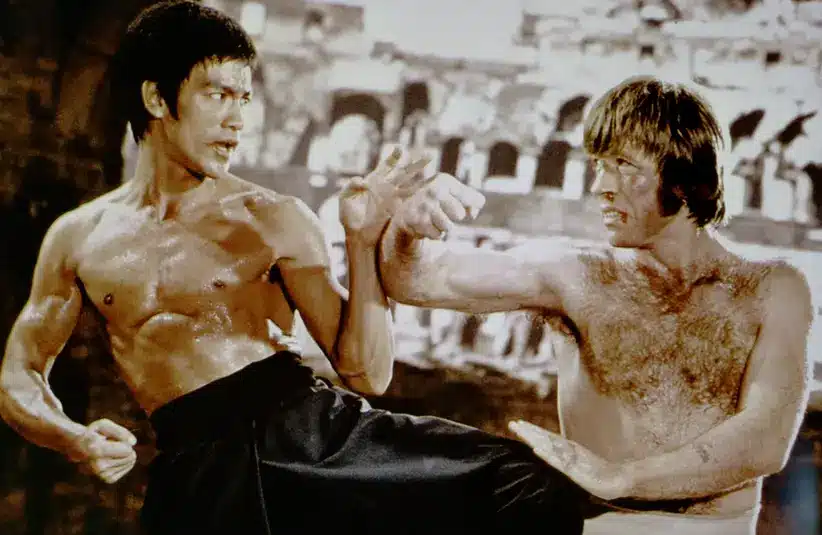
Video games gave the Chuck Norris archetype something movies never could: direct participation. The audience no longer watches the hero succeed from a comfortable distance. Players slip into the role of that legendary figure, pulling off roundhouse kicks and handling high-stakes moments using nothing but a controller.
That transition flipped the archetype on its head, moving it from something watched from a distance to something felt directly. An entire generation absorbed that sense of unbeatable skill, bringing it along from the screen out into their everyday existence. The man himself showed up in just a few games over the years, yet his impact touched millions of people across countless titles.
Chuck Norris Built What Pixels Couldn’t Destroy
The archetype endures because it taps into something fundamental about why people play these games in the first place. Escapism matters, but so does empowerment. Players want to inhabit characters who face down chaos without blinking, who stand firm when everything falls apart around them. Chuck Norris provided the blueprint decades ago, and developers keep building new structures from those same plans. The roundhouse kick became a metaphor, the stoic stare transformed into a design principle.
One martial artist’s screen presence eventually shaped how millions of people interact with digital worlds. The next time someone boots up a game and controls an unflappable hero who treats danger like a mild inconvenience, they can trace that experience back to a single source. A quiet Texan with a black belt and a camera presence that refused to be ignored built something that outlasted any single game, any single console, any single generation of players.
