
‘The Boys’ Finale Explained: Homelander’s Fate and Eric Kripke’s Endgame Vision

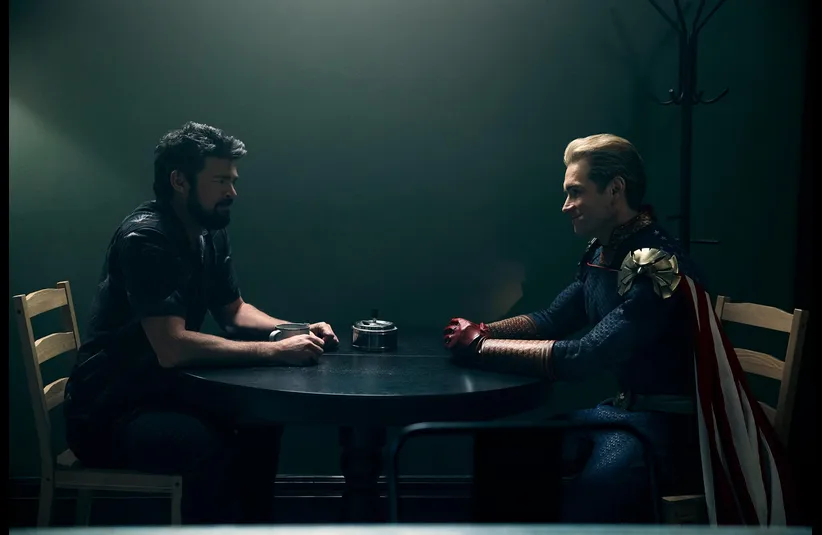
(Spoilers ahead for “The Boys” series finale)
The ending of “The Boys” has never been just another season wrap-up. It’s a pressure valve for everything the series has built: power, corruption, celebrity culture, and the uneasy line between hero worship and authoritarian fear. The latest wave of interviews with showrunner Eric Kripke adds another layer to that pressure cooker, especially when it comes to Homelander’s final stretch and what the series is really trying to say as it moves toward its endgame.
Homelander’s Ending Rewrites the Idea of “Victory”
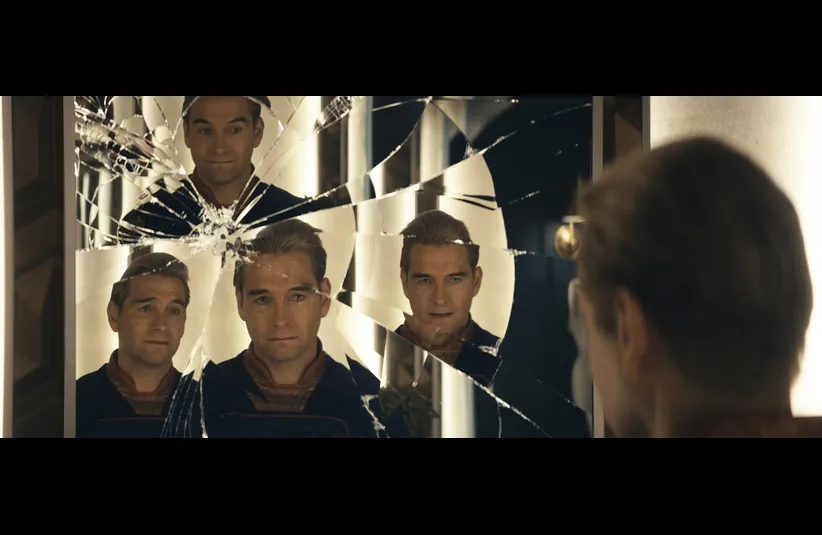
Homelander has always been the show’s most unstable constant. A godlike figure with the emotional control of a cornered animal, he represents what happens when unchecked power meets serious psychological damage. The finale doesn’t simply aim to defeat him in a traditional sense. Instead, it reframes what “defeat” even means for someone like him. According to Eric Kripke’s recent interviews, the creative goal wasn’t to give fans a neat takedown moment but to land on something more unsettling: consequence without closure.
Homelander’s final moments, as discussed across multiple reports, lean into the idea that punishment doesn’t always come in the form of death or imprisonment. Sometimes it’s isolation. Sometimes it’s losing control of the narrative he spent years dominating. And sometimes it’s realizing the world no longer fears you the way it used to. That shift is what makes the finale land differently. It doesn’t just ask whether Homelander can be stopped. It asks what’s left when he is.
Butcher’s Arc Collides With the Cost of Revenge
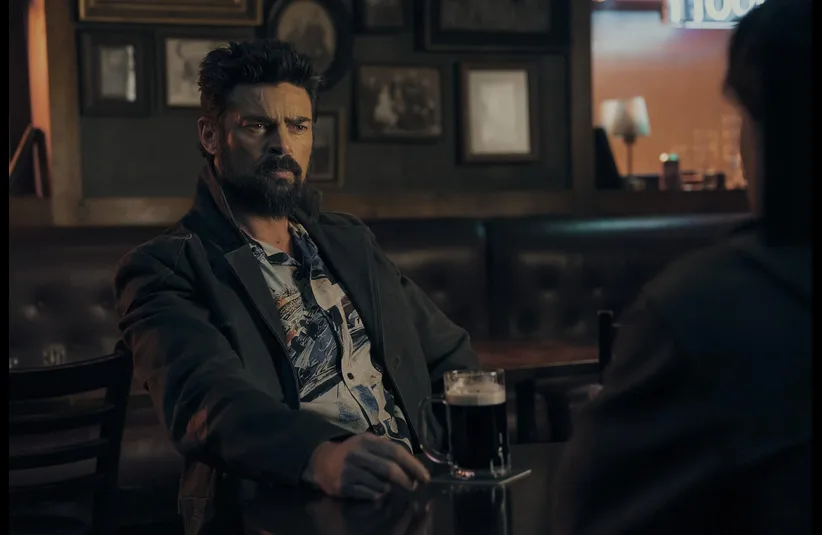
If Homelander represents corrupted power, Billy Butcher represents corrupted purpose. His obsession with ending supes has always come at a price, and the finale pushes that cost into sharper focus.
What stands out in recent reporting is how the series continues to blur the line between justice and obsession. Butcher isn’t framed as a traditional hero, even when his goals align with stopping something dangerous. His choices increasingly raise the question: at what point does revenge become its own form of destruction?
Kripke has consistently described Butcher’s trajectory as one designed to feel inevitable rather than heroic. That inevitability becomes central in the finale discussions, especially as the show edges closer to its larger narrative conclusion. The tension isn’t just about whether Butcher wins. It’s about what kind of person is left standing if he does.
The World Beyond “The Boys”: “Gen V” and Fallout
One of the more practical revelations from the finale coverage is how tightly the main series is being positioned alongside its expanding universe, including “Gen V.”
Rather than functioning as a simple spin-off, “Gen V” is increasingly treated as a narrative continuation point. That matters because the fallout from “The Boys” finale isn’t contained. It ripples outward into how Vought operates, how supes are controlled, and how public perception shifts in a world already stretched thin by chaos.
Reports suggest the finale intentionally avoids tying every thread into a bow, leaving space for the universe to evolve. That decision keeps the storytelling engine running, but it also signals something more interesting: the end of one chapter is not the end of the system the show has been critiquing from day one.
Eric Kripke on Ending Stories Without Comfort
One of the most consistent takeaways from Eric Kripke’s interviews is his resistance to clean moral resolution. The creative philosophy behind “The Boys” has always leaned into discomfort. The finale continues that pattern.
Kripke’s framing, as reflected across multiple outlets, suggests a deliberate avoidance of fan-service endings that simplify the show’s core conflicts. Instead, the focus is on emotional consequence, especially when it comes to characters who have spent years justifying violence, control, or revenge as necessary tools. That approach won’t land the same way for every viewer, and that seems intentional. The show has never been built for universal comfort. It’s built for reaction.
What the Finale Actually Changes
The biggest shift in the finale isn’t a single death, victory, or defeat. It’s tonal. The series stops pretending that power can be neatly contained or morally balanced once it gets out of control. Homelander’s arc, Butcher’s descent, and the expanding universe all point toward the same uncomfortable idea: systems don’t end when individuals fall. They adapt.
That’s what makes the ending resonate beyond shock value. It doesn’t just close storylines. It reframes them.
