
Steam Machine Sparks Sony Panic Attack

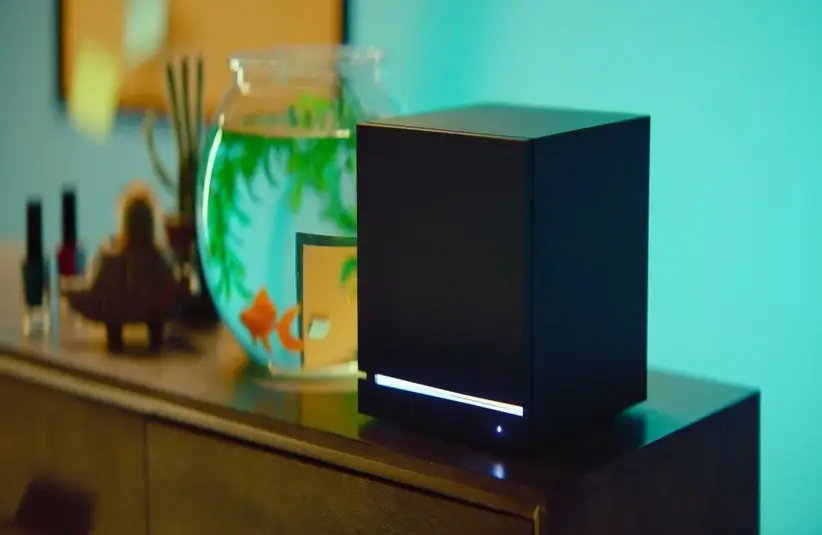
The Steam Machine is poised to shake up the living room this year, and its potential success has reportedly sent Sony scrambling to rethink its entire PC strategy. Recent reports suggest the PlayStation maker is slamming the brakes on its once-aggressive push to bring its biggest single-player hits to computer screens. This comes on the heels of the controversial closure of Bluepoint Games, the acclaimed studio behind the Demon’s Souls remake. So, what exactly is spooking the giant behind the PS5?
Dalton Drops Bombshell Valve Theory
Peter Dalton, a key technology figure at the now-shuttered Bluepoint, has thrown a fascinating theory into the ring that points directly at Valve’s little black box. Dalton recently shared his thoughts on social media, arguing against the popular notion that Sony’s pivot is merely a reaction to Microsoft’s moves. He suggests the real catalyst is the looming presence of a new challenger.
Could a single piece of hardware really make a massive corporation change course on a strategy that was, by all accounts, printing money? The logic goes that consoles succeed by offering a simple, affordable, and curated experience, a walled garden that the PC market, with its endless configurations and drivers, has never been able to replicate in the living room. But the Steam Machine aims to change all that.
Steam Machine Serves Sony Cold Cuts

This new iteration of the Steam Machine promises to deliver the ease of a console while throwing open the gates to the entire, massive library of PC games. Imagine booting up your TV, grabbing a controller, and instantly having access to thousands of titles, from deep strategy games to the latest indie darlings, all without ever seeing a desktop. That is the core of its appeal.
For a company like Sony, which relies heavily on the allure of its exclusive franchises to sell hardware, this prospect is terrifying. If you can play Spider-Man 2 on a sleek box under your TV that isn’t a PlayStation, why would you buy a PlayStation? Dalton posed a rather ironic scenario: Valve might just win the console war without ever truly playing the traditional game.
Sony, meanwhile, finds itself in a precarious position. Releasing its games on PC was a lucrative way to reach new customers, but if that PC audience can now enjoy those same games on their couches via a competitor’s box, the value of the PlayStation hardware itself diminishes. Why would anyone drop $500 on a PS5 Pro if a cheaper Steam Machine offers the same big-screen experience plus access to thousands of other titles? It’s a direct threat to the very foundation of their business model.
PlayStation’s Wall Just Got Scalped
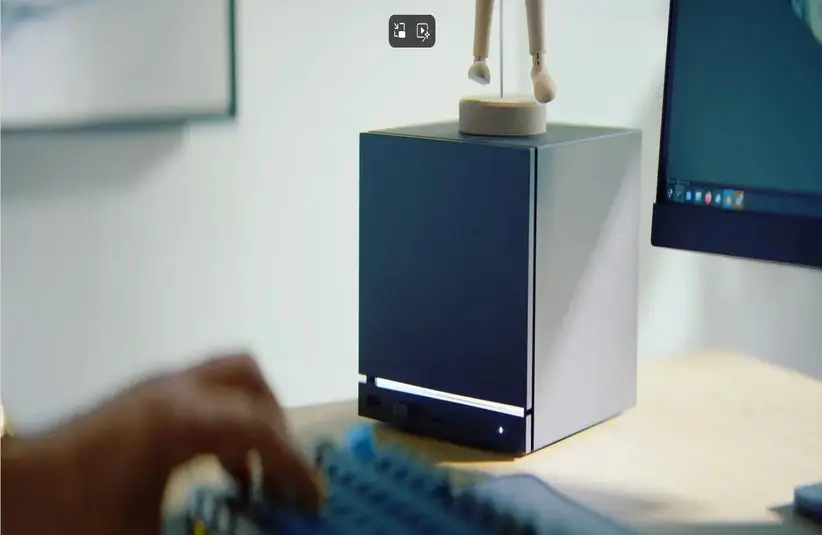
The company’s reported decision to pull back from PC ports suddenly makes a lot more sense when viewed through this lens. It looks less like a retreat from the computer market and more like a defensive maneuver to protect its turf from an entirely new kind of invasion. The Steam Machine, assuming it delivers on its promise, could fragment the console space in a way Microsoft’s high-powered boxes never could. It offers the simplicity of a console with the freedom and library of a PC. That’s a powerful combination.
The timing of these reports, coming right as the new Steam Machine gears up for launch, feels too coincidental to ignore. Sony likely sees the writing on the wall. Its strategy might now be to double down on what makes its platform unique, hoping that its story-driven exclusives are strong enough to keep players inside its garden, even as the fence gets a little lower. The gamble is that gamers will still choose the curated, first-party experience over the open market.
Sony Plays Defense in Console Chess
At the end of the day, this is a high-stakes game of chess, and the Steam Machine just got promoted to queen. Whether Sony’s counter-move is a stroke of genius or a massive miscalculation remains to be seen. The answer will determine the shape of the living room for years to come. We’ll just have to wait and see how popular the Steam Machine is when it launches this year, and whether Sony’s gamble pays off.
Author
