
Steam Deck Laughs In The Face Of Competition 4 Years Later

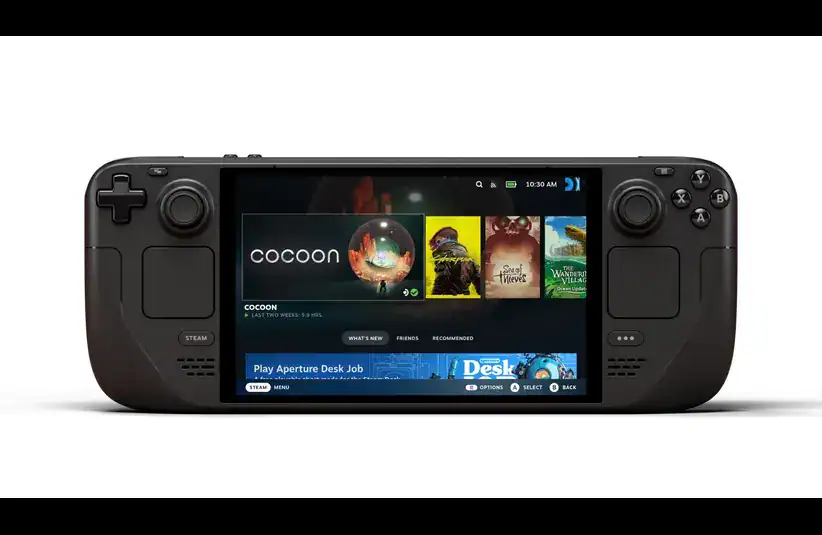
Valve’s Steam Deck has reached its fourth anniversary, continuing to stand out in the handheld gaming market with its combination of performance and accessibility. A recent analysis from Deck Ready takes a closer look at how the company tackled early headaches, particularly the supply chain mess that made finding a 1TB model feel like a treasure hunt.
RAM Shortages No Longer Haunt Steam Deck
Those production bottlenecks, driven by global RAM shortages, really put a dent in availability for a while. But has Valve actually managed to get things under control? Well, sporadic restocks at the original retail price do pop up now and then, proving the company is slowly getting its act together. Can gamers finally walk into a store and grab one? Not exactly, but the situation is miles better than the drought of year one.
All this effort shows a real commitment to keeping the Steam Deck relevant and in the hands of players. Valve isn’t rushing out a new toy anytime soon, with a successor unlikely before 2027. Does that mean the current hardware is getting stale? Not a chance. Developers keep optimizing their big releases for the Steam Deck, ensuring games run smoothly without constant tinkering. These ongoing software tweaks and patches breathe new life into the machine daily.
How does it stack up against flashy newcomers like the Lenovo Legion Go Fold? That device boasts a foldable OLED screen and detachable controllers, looking like something from a sci-fi flick. But beneath the glitz, questions linger about the durability of that folding display and whether it can consistently handle demanding titles. The Steam Deck fights back with raw compatibility and a massive library, giving it a massive leg up in real-world use.
Spotify Finally Hits The Steam Deck Party
The Deckify plugin recently dropped, bringing a cool new trick to the Steam Deck by syncing up Spotify for background music while gaming. Gamers can set it up through Spotify Connect on a phone or just fire up the app directly on the device. Why would anyone need this? Because blasting custom playlists while slaying dragons or racing cars just hits different.
The Steam Deck’s Bluetooth also lets it double as a speaker for other gadgets, adding unexpected versatility. But there’s a catch: Apple Music fans feel left out, as the Linux-based Steam OS doesn’t play nice with every service. Is that a dealbreaker? For some, maybe, but for most, the music integration still cranks the fun factor up a notch.
Competitors Chase Trends, Deck Delivers Games
Competitors keep creeping in, with ARM-based handhelds and the AYN Odin trying to steal the spotlight. These devices often come with lower price tags and unique features, tempting budget-conscious buyers. Do they actually deliver the goods? The Steam Deck laughs at that question, waving its extensive game catalog and rock-solid performance in everyone’s faces. Those rivals frequently stumble with compatibility, leaving users stuck with a fraction of the available titles.
The Steam Deck just keeps rolling along, handling everything from quirky indie gems to those massive triple-A blockbusters without breaking a sweat. Gamers sink into those comfortable grips and intuitive controls for hours. At the same time, the operating system actually works without forcing anyone to become a tech support wizard in their own living room. New gadgets parade in with foldy screens and processors that sound like spare parts from a spaceship.
However, the Steam Deck wins by simply running games without demanding a three-hour setup session first. Competitors toss around fancy specs and bendy displays, yet the Deck focuses on what actually matters: firing up titles fast and keeping the fun rolling. The handheld scene keeps getting weirder and more complicated, but this machine proves that sometimes the best move is just letting people play their games without the headache
Building A Machine That Respects Your Library
Valve actually listens when folks complain, dropping fixes and tweaks that turn grumbles into grins. Holding off on a sequel until 2027 shows they trust the current hardware enough to let it cook a while longer. Gamers stick with a device that evolves alongside them instead of collecting dust after a few months.
While competitors chase flashy trends, the Steam Deck keeps quietly winning by doing the basics exceptionally well. Four years later, and the Steam Deck still laughs in the face of its competition, proving it’s the king of portable gaming. Valve actually built a machine that respects a game library, refusing to fade away like last year’s trendy gadget.
Flashy rivals show up with wild concepts and bold promises, but the Deck delivers where it actually counts. Community feedback and developer support keep this thing fresh, constantly evolving rather than collecting dust. The handheld doesn’t just survive out of spite; it thrives, raising the bar with every single update. And really, what more could a gamer ask for?
Author
