
Paramount-WBD merger: $111B deal finally wins judge’s OK

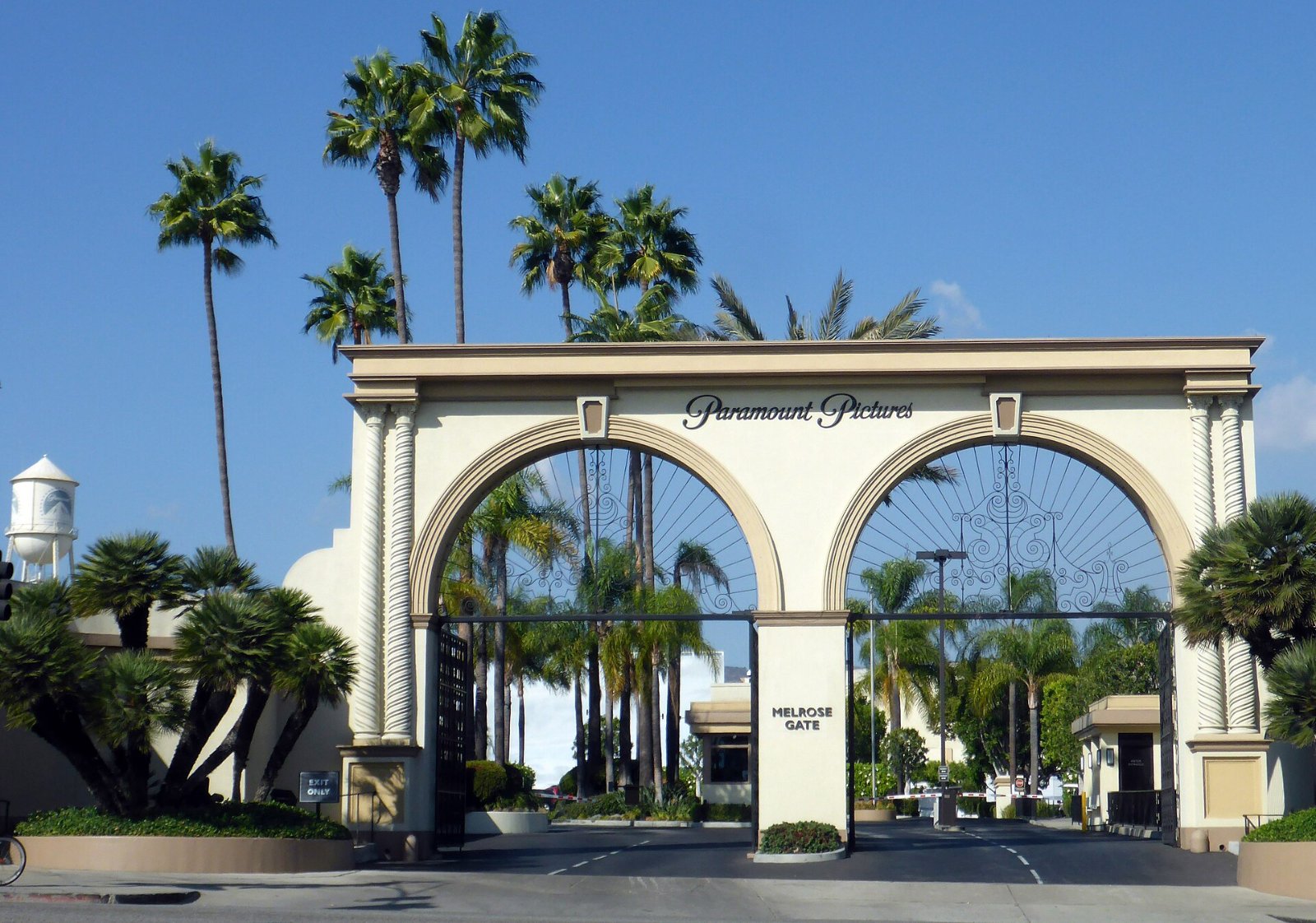
The Paramount-WBD merger is set to close next week after U.S. District Judge Araceli Martínez-Olguín on Wednesday approved Paramount’s settlement with the 12 Democratic state attorneys general who sued to block the deal, according to Variety. Paramount has tentatively set Tuesday, Oct. 6, to complete the purchase, according to regulatory filings.
The ruling removes the last major legal hurdle for the Paramount-WBD merger, which Variety called “the most expensive takeover in Hollywood history.” The debt-fueled deal for Warner Bros. Discovery is valued at about $111 billion and had already been cleared by regulators in 68 jurisdictions, including the U.S. Justice Department.
In her order, the judge found the consent decree “a fair, reasonable, and good faith approach to address the competitive harms alleged” in the states’ complaint, while acknowledging “meaningful grounds for disappointment” among critics who wanted it to go further.
For fans, the combined company will own two major movie studios, both HBO Max and Paramount+, and a long list of TV networks, from CBS and CNN to MTV, TBS, Comedy Central and Food Network. Its franchise library will stretch from “Harry Potter,” “Game of Thrones” and DC to “Yellowstone,” “Mission: Impossible,” “Top Gun” and Nickelodeon’s kids shows.
The Paramount-WBD merger settlement terms
Paramount can’t sell the Paramount Studios or Warner Bros. lots for at least five years and must spend at least $300 million more each year on U.S. film production, according to Variety. The combined studio must release at least 30 movies theatrically in each of the first two years and at least 32 a year in years 3 through 5, with a 45-day theatrical window. Paramount chief David Ellison had already pledged to meet those numbers.
At least four films a year must be independent releases and at least 20% must be blockbusters, or Paramount pays $30 million per missing film, according to Reuters. The company also agreed not to raise rates on theater operators for three years, Reuters reported.
A “news editorial independence board” will set journalism principles for CNN and CBS News under the settlement, Variety reported. California Attorney General Rob Bonta, who led the states’ case, called the deal “a strong antitrust outcome” that delivers “more production, more choice, and guardrails that keep this industry competitive,” according to Reuters.
What it means for fans and the industry
The theatrical quotas in the Paramount-WBD merger settlement are meant to keep a steady flow of movies in theaters rather than sending everything straight to streaming. The five-year ban on selling the studio lots also protects production jobs tied to those facilities in California.
Not everyone is satisfied. The Block the Merger Coalition urged the judge to reject the settlement, arguing that the 30-film commitment “appears to allow the merging parties to together make fewer films than they made separately last year,” according to Deadline. The group also warned that a force majeure clause letting Paramount suspend its commitments during a disaster, labor disruption or recession could make the promises “illusory.” The League of United Latin American Citizens objected too, arguing the merged company could invest less in stories about Black and Latino communities, Variety reported.
Paramount called the opponents’ requests “improper,” warning that more delay would hold up “a transaction that has been approved by every regulator and agency that has reviewed it,” per Deadline. The Writers Guild of America settled its own lawsuit against Paramount but said it still believes the deal will damage the industry, Reuters reported.
Context: a costly, contested deal
Trump administration regulators had already cleared the Paramount-WBD merger, but the 12 attorneys general, led by Bonta, sued in July, arguing the merger would let a combined company raise prices across movies and television, according to Reuters. The companies have said the Paramount-WBD merger will generate $6 billion in savings, largely through cost cuts likely to hit jobs at both studios and in the CNN and CBS newsrooms. The combined company is expected to carry $80 billion in debt, Reuters reported.
Paramount also faced a $7 million-a-day “ticking fee” owed to Warner Bros. Discovery shareholders for each day the deal failed to close after Sept. 30, according to Reuters and Deadline. The tentative Oct. 6 closing date falls after that deadline.
What’s next
Leadership of the combined company is already taking shape. Shortly after the ruling, Paramount named outgoing Mattel CEO Ynon Kreiz co-CEO alongside Ellison, and HBO’s Casey Bloys is set to lead Paramount-WB streaming strategy, according to Variety. Warner Bros. Discovery CEO David Zaslav is expected to depart once the Paramount-WBD merger closes.
Reporting from Variety, Deadline and Reuters contributed to this story.