
Why The Mandalorian and Grogu’s Box Office Numbers Don’t Tell the Whole Story

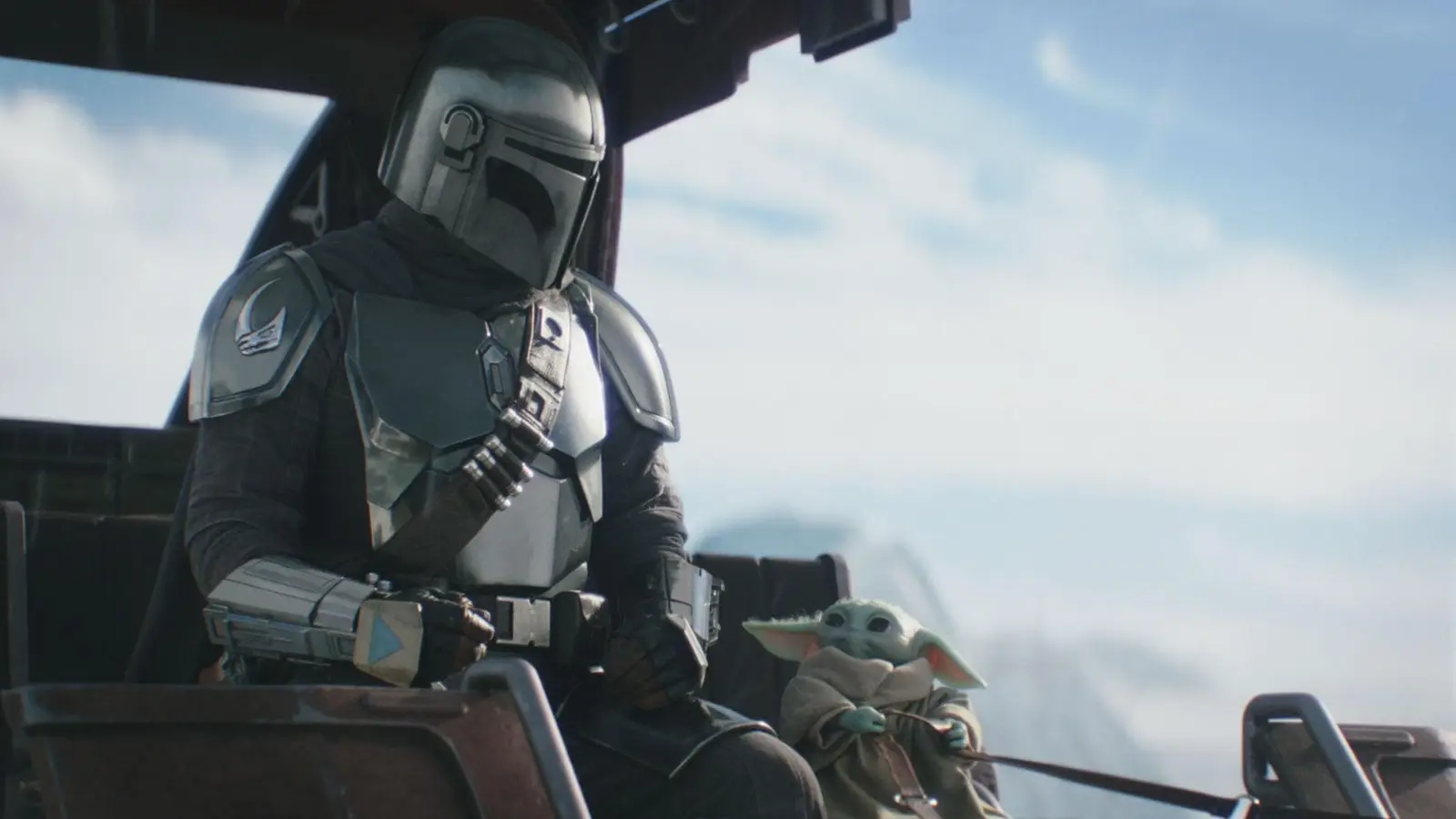
The opening weekend for The Mandalorian and Grogu has sparked plenty of debate among Star Wars fans. After debuting to roughly $81 million over the traditional three-day weekend and around $100 million over the four-day Memorial Day frame, the film opened below many blockbuster expectations and landed in a similar range to 2018’s Solo: A Star Wars Story.
For some critics, those numbers immediately triggered familiar headlines about the future of Star Wars. But focusing solely on box office receipts ignores a much larger reality: Star Wars is no longer a franchise that lives and dies by movie ticket sales.
Star Wars Is Bigger Than the Box Office
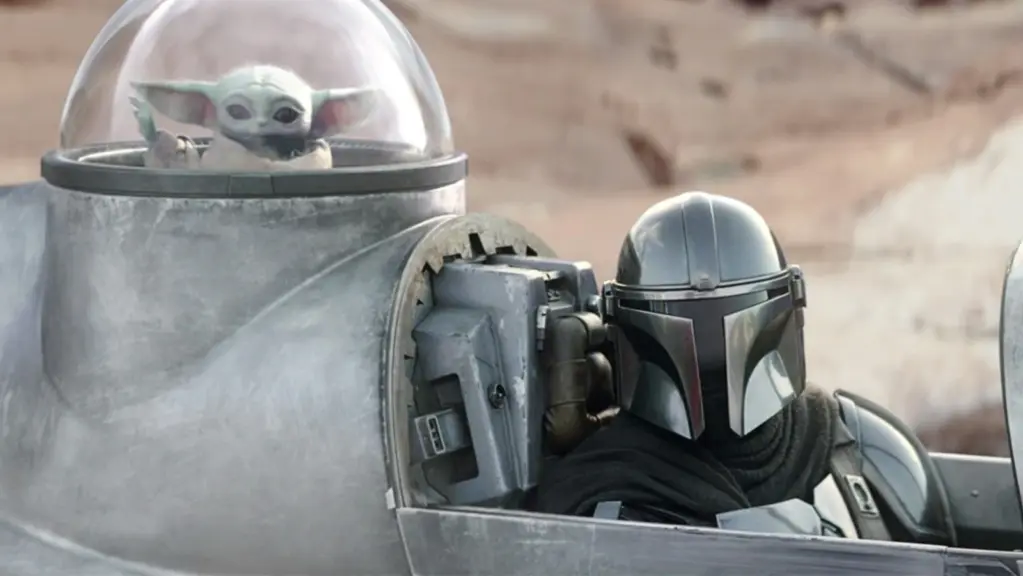
Unlike most film franchises, Star Wars generates revenue from far more than theatrical releases. Merchandise alone remains one of the franchise’s greatest strengths.
Industry estimates have long placed Star Wars among the world’s top-selling toy and merchandise brands, generating billions in retail sales over the decades. Even more remarkably, Grogu—better known to many fans as Baby Yoda—became a merchandising phenomenon almost immediately after his debut in The Mandalorian.
Millions of Grogu toys, collectibles, apparel items, and accessories have been sold since the character first appeared on Disney+. For Disney, that’s an important part of the equation. A movie ticket is sold once. Merchandise can generate revenue for years.
Streaming Has Changed Moviegoing Habits
Perhaps the biggest factor affecting The Mandalorian and Grogu has nothing to do with the quality of the film itself. It’s the way audiences consume entertainment in 2026.
Moviegoers today know that most major releases eventually arrive on streaming services within a matter of months. When a film is directly connected to a streaming series, many consumers become even more willing to wait.
That’s especially true when ticket prices, concessions, parking, and other expenses can quickly turn a family movie outing into a costly event. Take my family, for instance. There are four of us, and we live in the suburbs of Chicago. Even if we go on a discounted day, if we decide to do popcorn and drinks, this easily balloons into a $30-40 adventure. If we don’t go on a discounted day, we are looking at upwards of $50. The alternative is to wait, get way more snacks at a way lower price, and have a movie night of our own.
For some fans, the decision is simple: wait for Disney+. The irony is that this may actually be a sign of The Mandalorian’s success rather than its failure. The Disney+ series has accumulated enormous viewership over multiple seasons, creating an audience that already associates the story with at-home viewing.
The Franchise Ecosystem Matters
Disney rarely views Star Wars projects as standalone products. A new movie can boost interest across the entire franchise ecosystem. Fans may revisit older Star Wars films, rewatch episodes of The Mandalorian, purchase merchandise, subscribe to Disney+, or plan vacations to Star Wars-themed attractions at Disney parks.
In fact, Disney has already integrated The Mandalorian and Grogu into its theme park offerings, including updates to Millennium Falcon: Smugglers Run that connect directly to the new film. Those types of synergies are difficult to measure through opening weekend box office numbers alone.
Comparing It to ‘Solo’ Isn’t a Perfect Match
Many observers have naturally compared The Mandalorian and Grogu to Solo because of their similar opening weekends. But the situations are very different.
Solo arrived after a highly publicized production troubled by director changes and behind-the-scenes uncertainty. The Mandalorian and Grogu, meanwhile, entered theaters as an extension of one of Disney’s most successful streaming series and were guided by creative figures closely associated with the franchise’s recent television success.
The film also reportedly carried a significantly lower production budget than Solo, lowering the financial hurdle needed for profitability.
The Real Question for Star Wars
The performance of The Mandalorian and Grogu does raise legitimate questions about the future of Star Wars films. Audiences appear increasingly selective about which franchise movies warrant a trip to the theater. Familiar characters alone may no longer be enough to guarantee massive box office results.
That doesn’t mean audiences have abandoned Star Wars. It may simply mean they are looking for event-level theatrical experiences while consuming other stories through streaming. Fortunately for Disney, Star Wars remains uniquely positioned to succeed in both worlds.
Star Wars Isn’t Going Anywhere
A $100 million holiday opening would be considered a dream result for many studios.
While it may not match the heights of earlier Star Wars releases, it hardly signals the death of the franchise.
Between streaming viewership, merchandise sales, theme park integrations, licensing partnerships, and a devoted global fanbase, Star Wars remains one of the entertainment industry’s most valuable properties.
The lesson from The Mandalorian and Grogu may not be that Star Wars is fading.
Instead, it may be that the definition of success for a modern franchise looks very different than it did a decade ago.
