
How Star Wars: A New Hope Changed Cinema — 49 Years Later, the Force Still Hits Different

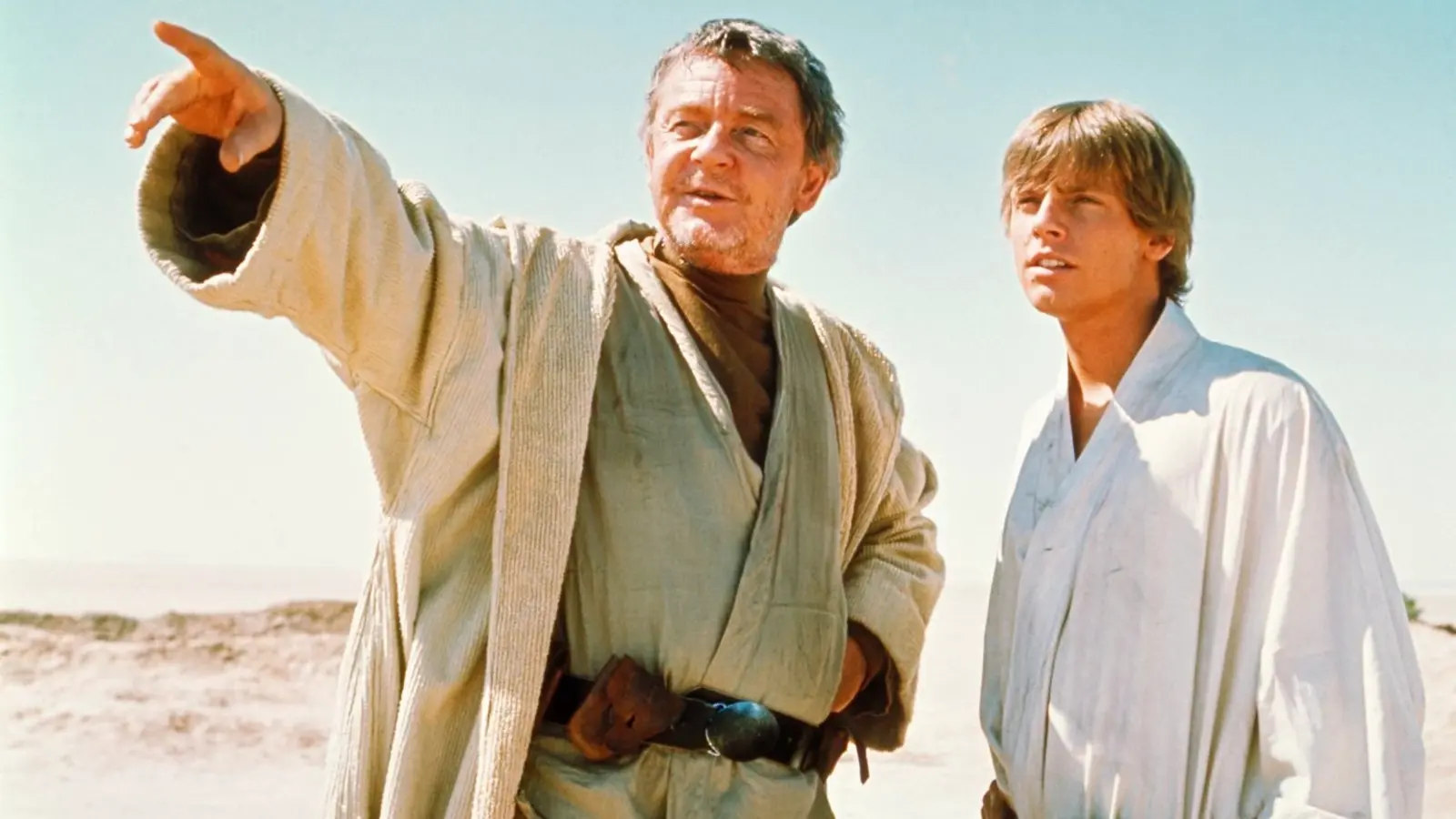
May 25th, 1977, is a day that forever changed the cinema landscape and pop culture as a whole. It was the momentous day that “Star Wars: A New Hope” was released in theaters 49 years ago.
No one in theaters back then could have imagined the massive impact a single movie would have worldwide, but with its groundbreaking visuals, heartwarming characters, and epic story, this little space opera charmed its way into the hearts of millions.
Even for people who aren’t fans of the franchise, the iconic names of Luke Skywalker (Mark Hamill), Han Solo (Harrison Ford), and Princess Leia Organa (Carrie Fisher) as they and their rebel allies battle against the tyrannical Galactic Empire carry a weight behind them that cannot be denied.
Yet, the path that led “Star Wars: A New Hope” to such beloved praise was far from a smooth one.
“Star Wars’” Unlikely Rocky Start to Greatness
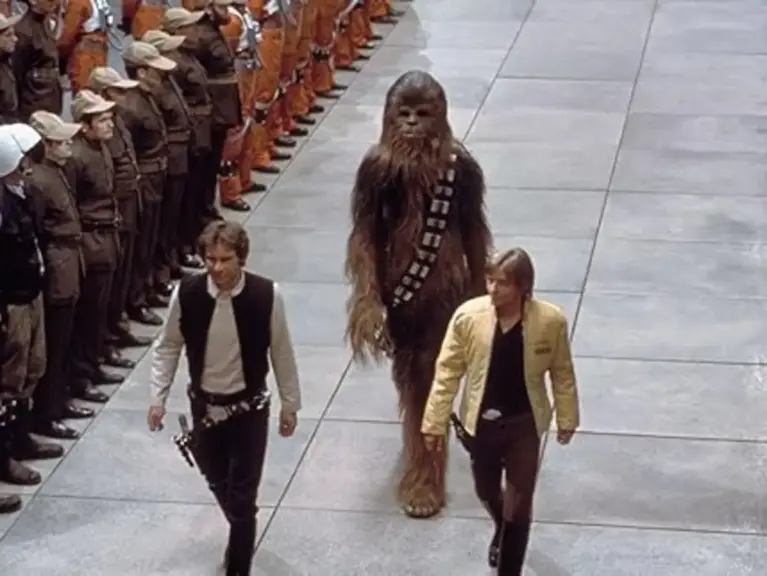
One of the most beautiful things when looking back at the history of “Star Wars” is how the movie itself, despite its great success nearly 50 years later, was viewed by many as a crazy idea. When George Lucas pitched his passion project, inspired by Hollywood classics such as Edgar Rice Burroughs’s “John Carter of Mars” and Akira Kurosawa’s “The Hidden Fortress,” mixed with a splash of WWII dogfighting, big-time studios were hesitant to finance such a bold endeavor. Much to their regret, now studios like Universal, United Artists, and, ironically, Disney all passed on the deal. Only Fox decided to take a risk.
Yet, Fox’s interest was less about its belief in this wild space opera but rather because Lucas himself was coming off the fresh success of the cult classic “American Graffiti.” People tend to forget that “Star Wars” and “Indiana Jones” were not the only films that Lucas was responsible for creating. With the movie grossing over $140 million, Lucas suddenly had the clout for Fox to take a chance on him and his crazy passion project.
What truly helped cement the deal, though, was one of the shrewdest business decisions in history, as Lucas offered to accept a reduction in his expected director’s salary in exchange for rights to all merchandise and subsequent films. With those details agreed upon, Fox financed the 11-million-dollar project, and the rest is history.
How “Star Wars” Appeals to Everyone
Somehow, despite all odds, one film in the 70s kickstarted one of the most recognizable global brands in history. While other industry giants have tried to replicate the historic success of “Star Wars” to middling returns, Lucas’s space epic still remains the most iconic science fiction franchise for a simple reason: its simplicity.
In an interview with Charlie Rose at the 2014 Chicago Ideas Week, Lucas explains that his entire franchise is about one simple thing: compassion.
“It’s still, you know, basically don’t kill people, and be compassionate and love people. That’s basically all ‘Star Wars’ is.”
Compassion, friendship, and family are the simple ideas that Lucas wrapped his galactic soap opera around, and the heavy inclusion of those elements is what helps his story touch the hearts of so many. Lucas asserts that the core of his narrative is the same core that has driven human societies and interest in storytelling for generations. He simply added more graphical polish to it.
Thus, when looking back at the franchise’s history, it’s not just about Jedi vs. the Sith, freedom vs. tyranny, light vs. darkness, but rather a simpler narrative that has spanned not only time but the fictional galaxy as well.
