
Afroman Fights Back in Shocking Lawsuit Over Deputies’ Controversial Home Raid


Afroman walked into the courtroom this week with the same mix of defiance and weariness that’s colored his public fight since the day deputies burst through his Ohio home in 2022. The rapper—known for his humor, his blunt honesty, and his refusal to back down—now finds himself at the center of a lawsuit that tests the boundaries of free speech, artistic expression, and the power imbalance between citizens and law enforcement. His testimony wasn’t polished or rehearsed; it was raw, human, and unmistakably Afroman.
The case, brought by seven Adams County sheriff’s deputies, claims Afroman used their likenesses without permission in music videos and merchandise after the raid. But for Afroman, this fight is about something bigger than a viral clip or a punchline—it’s about the right to tell the truth about what happened inside his own home.
The Raid That Sparked a Firestorm
In August 2022, deputies showed up at Afroman’s place with a search warrant, convinced they’d find drugs or even a kidnapping victim. They found neither. What they did leave behind was a house turned upside down and a family trying to make sense of why armed officers had stormed their quiet property in the first place.
The whole thing was caught on Afroman’s security cameras—every awkward pause, every drawer yanked open, every moment an officer lingered over something that clearly wasn’t evidence. Watching it back, you can almost feel the strange mix of tension and casual rummaging, like they were searching for something huge but moving through his home with the ease of people who didn’t expect to be questioned later.
Instead of burying the footage, Afroman did what artists do—he turned it into art. The videos he released, including the now‑infamous “Lemon Pound Cake,” used humor and satire to highlight what he saw as an absurd and invasive operation. Millions watched. The deputies were not amused.
Afroman’s Day on the Stand
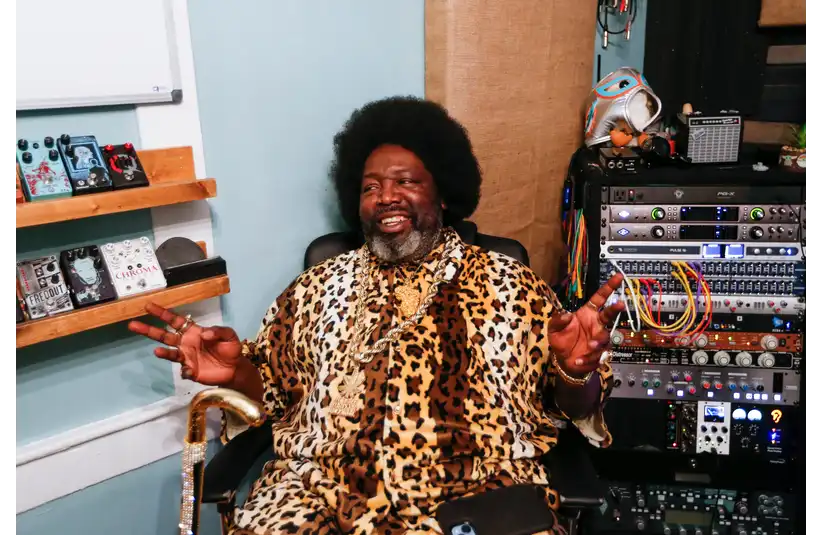
When Afroman took the stand, he didn’t soften his stance. He told the court that if the deputies looked bad in the videos, “that was their fault,” not his. He argued that he had every right to use footage recorded inside his own home, especially when the raid itself was, in his view, deeply flawed.
In a trial video shared by WCPO‑TV, Afroman insisted he was simply exercising his “right of freedom of speech as an American,” pushing back against the idea that public officials should be shielded from criticism—especially when their actions unfold on someone else’s property.
One of the most striking moments came when he reminded the courtroom that the deputies’ actions—not his editing—created the images now circulating online. “I didn’t tell them to raid my house,” he said. “I didn’t tell them to act the way they acted.”
The Deputies’ Claims and the Stakes of the Lawsuit
The deputies argue that Afroman’s use of their faces and actions in his videos and merchandise amounts to defamation, invasion of privacy, and emotional distress. They claim the viral content subjected them to ridicule and threats, and they’re seeking damages for the fallout.
But the case isn’t just about hurt feelings—it’s about whether public servants performing official duties can claim ownership over their likenesses in footage captured by a private citizen. It’s also about whether satire and criticism, especially of law enforcement, can be punished through civil litigation.
Afroman’s legal team maintains that the deputies’ lawsuit is an attempt to silence him and rewrite the narrative of the raid. They argue that the First Amendment protects his right to comment on—and even mock—public officials.
A Battle Over Free Speech and Power
This lawsuit has become a flashpoint in the ongoing national conversation about police accountability. Afroman’s supporters see him as a symbol of resistance, someone using humor to expose the absurdity and trauma of a botched raid. His critics argue that he crossed a line by turning real people into punchlines.
But the deeper question remains: Who gets to control the story when law enforcement enters a private home and leaves without finding what they came for?
As Afroman left the courthouse, he didn’t hide his frustration—or his hope. He’s fighting not just for himself, but for the right to speak openly about what happened to him. And whether you see him as a comedian, a provocateur, or a truth‑teller, his stand in this courtroom will echo far beyond Ohio.
