
Rites of Spring, World War 1 & the Birth of the Modern Age

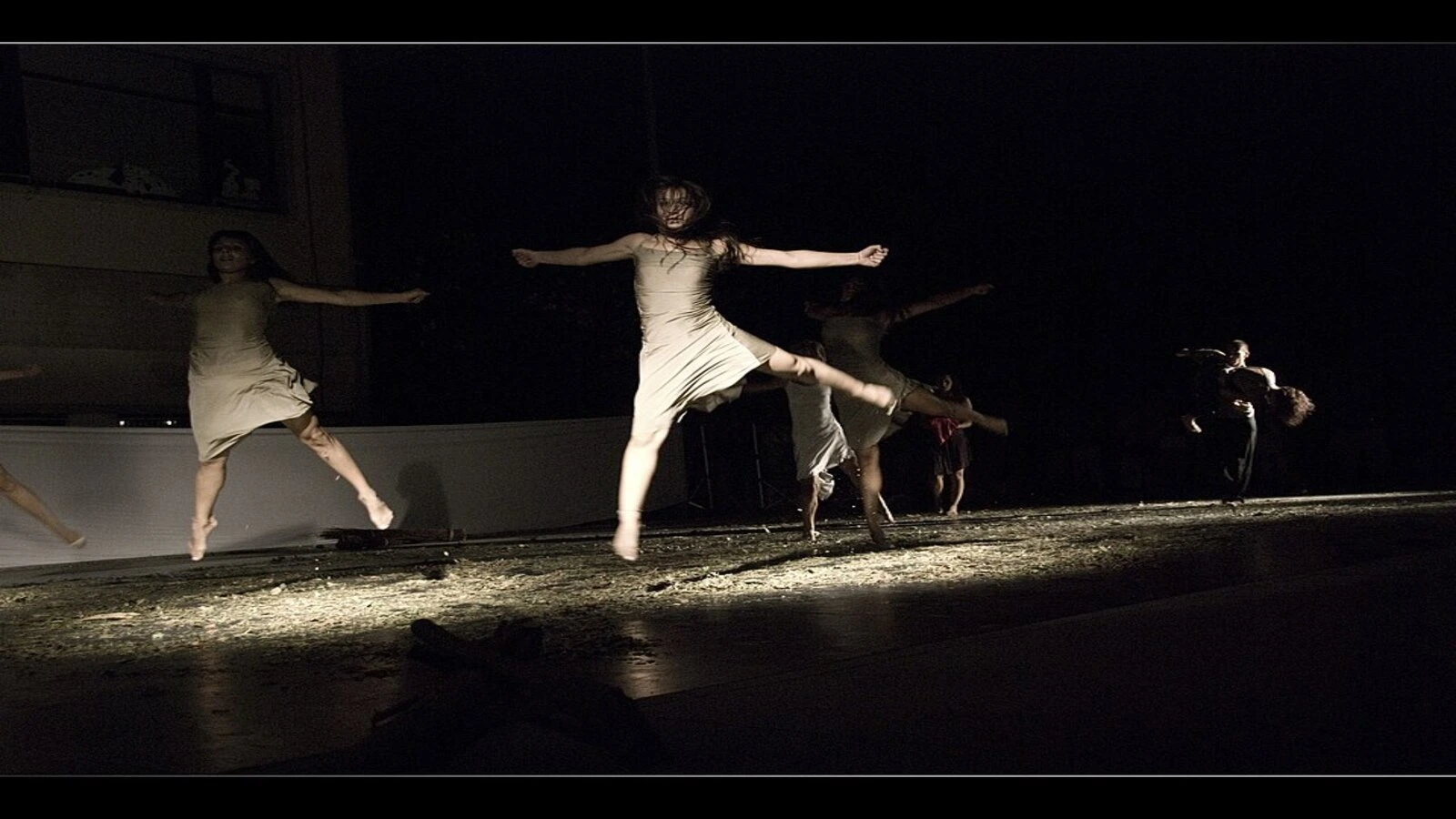
The Rites of Spring was a 1913 ballet by Igor Stravinsky that was highly modern and sparked a riot in Paris on May 29, 1913, between traditionalists, who were appalled by its modernity, and the avant-garde, who loved it. This might be the best book ever written on World War I. It draws parallels between the ballet and the War. There is also a thick description of the War, mainly on the Western Front.
Speaking of that coverage of the Western Front, there is a rich description of trench warfare. The best parts are the description of all the dead bodies in no man’s land between the trenches. There are also rats, the size of cats, that feed on the dead bodies. Eckstiens says that death is one of the rites of passage into the modern age. Do you think World War I is the most important event in human history?
‘Rites of Spring’ Summary
The ‘Rites of Spring’ is a book written by Modris Ecksteins. It might be the best book about the war that was ever written. It won several awards, for example, the Wallace K. Ferguson Prize and the Trillium Book Award, and is recognized as a seminal work in cultural history. It was also voted one of the best hundred books ever written in Canada. The ‘Rites of Spring’ begins with a description of the Stravinsky play. Eksteins shows how this play upset the audience and caused riots. He argues that the clash between traditionalists and the avant-garde in May 1913 in Paris is a strong indicator of the underlying feeling among the populace that led to the initial exuberance for the War.
‘Rites of Spring’ then proceeds linearly through the events on the Western Front. However, there is first extensive coverage of the excitement for the War that was in all national capitals. The argument is powerful and convinces readers that there was a powerful cultural clash occurring. The second major contribution of the ‘Rites of Spring’ is the argument that powerful cultural forces led to the war.
While the ‘Rites of Spring’ gives some short shrift to the Eastern Front. It does go through the major battles of the war on the Western Front. These battles are:
- Second Battle of Ypres (1915): First large-scale use of chlorine gas by Germany, creating temporary breaches in Allied lines but ultimately failing due to lack of reserves and countermeasures like gas masks.
- Verdun (1916): A prolonged French-German battle with approximately 700,000 combined casualties, symbolizing attritional warfare. This battle involved the Germans trying to take a French fort.
- Somme (1916): Over a million casualties, highlighting the deadly combination of artillery and entrenched defenses. This battle was viewed as a disaster for the British.
- Passchendaele (1917): It was a late battle in the War, as both sides attempted a knockout blow. It is notable for mud, waterlogged trenches, and 487,000 casualties.
Why You Should Read This Book
You should read the “Rites of Spring” for two primary reasons. First and foremost, this is an award-winning book that will give the reader a complete understanding of the causes and execution of World War I. It also helps readers understand the consequences of the War, which were significant. The world was now in the modern age. Second, there is something persuasive about the parallel drawn between the War and the play. There are parallels between the culture of the time and the War throughout the book.
Conclusion
World War I was the second most important event in human history, the birth of Jesus is first, and ‘Rites of Spring’ is one of the best books ever written about it. The argument that cultural forces were a major driving force behind the war is both novel and convincing. This book is worth the time and energy you put into it.
