
10 Inspiring Female Authors to Celebrate This Women’s History Month


There’s something grounding—almost defiant—about turning to female voices during Women’s History Month. These are the writers who carved space where none existed, who wrote through resistance, who told the truth even when the world preferred silence. If you’re an avid reader looking to honor the women who shaped literature across centuries, this list brings together ten female authors whose work continues to challenge, comfort, and change us.
1.) Toni Morrison
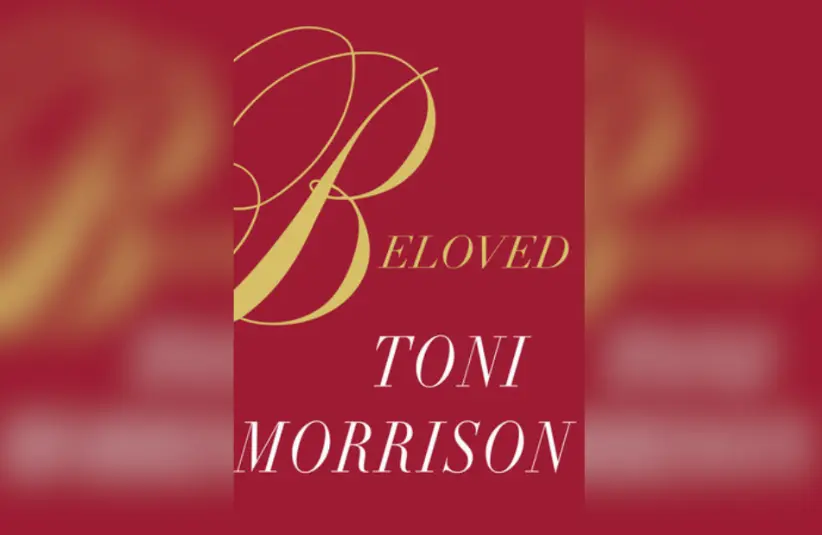
Toni Morrison wrote with a kind of emotional gravity that pulls you in before you even realize it’s happening. Her stories sit at the crossroads of memory, pain, and the small flashes of joy people cling to when the world refuses to make room for them. “Beloved,” “Song of Solomon,” and “The Bluest Eye” aren’t just books—they’re experiences that stay lodged under your skin. During Women’s History Month, her work feels like a reminder of how fiercely female authors have fought to tell the truth.
2.) Jane Austen
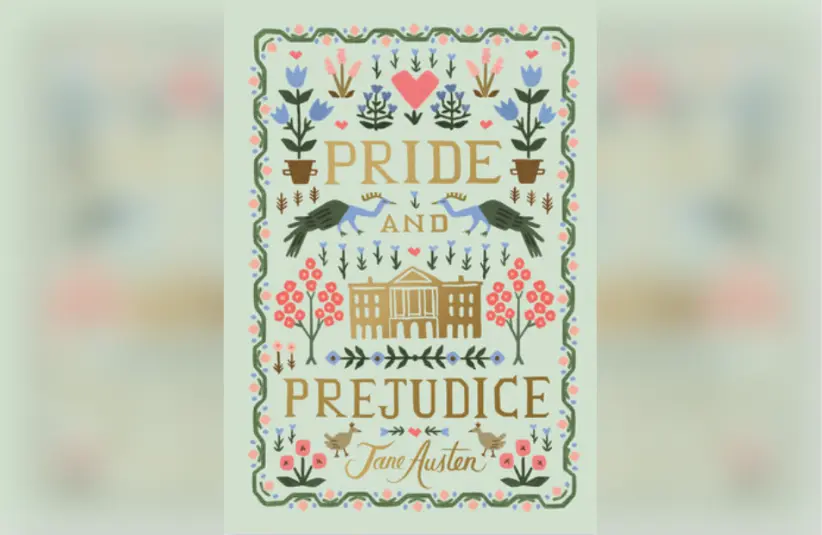
Jane Austen had a way of seeing straight through people—their pride, their pettiness, their longing—and turning all of it into something sharp and funny without ever losing the warmth underneath. Her novels, from “Pride and Prejudice” to “Emma,” still feel weirdly current, like she understood human nature long before we started pretending we were more evolved. She’s one of those female authors who proves that women have always been paying attention, even when society tried to write them off.
3.) Maya Angelou
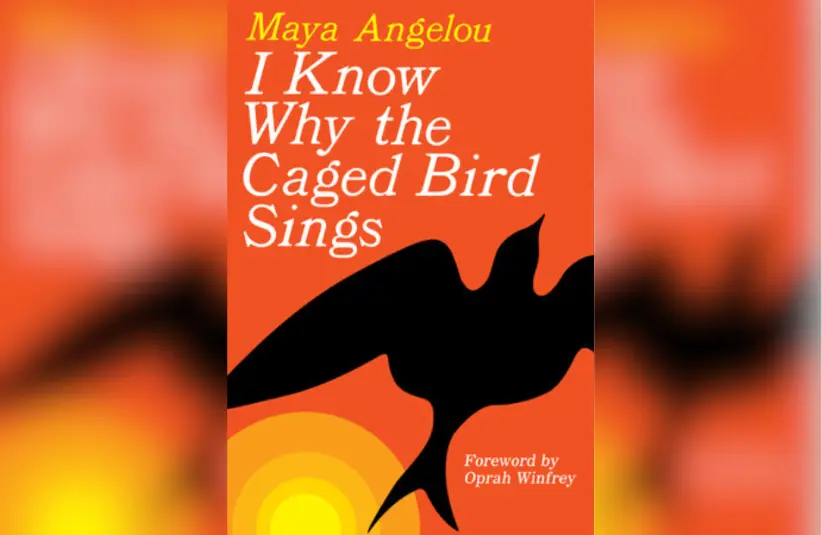
Maya Angelou wrote the kind of truth that doesn’t let you look away. Her voice carried both the weight of what she survived and the warmth of someone who still believed in possibility. “I Know Why the Caged Bird Sings” remains the book people return to when they need honesty without sugarcoating, and her poetry—especially “And Still I Rise”—has become a kind of emotional backbone for readers who’ve had to rebuild themselves more than once. Angelou’s work lingers because she never pretended life was easy; she just showed how a person can rise anyway.
4.) Mary Shelley
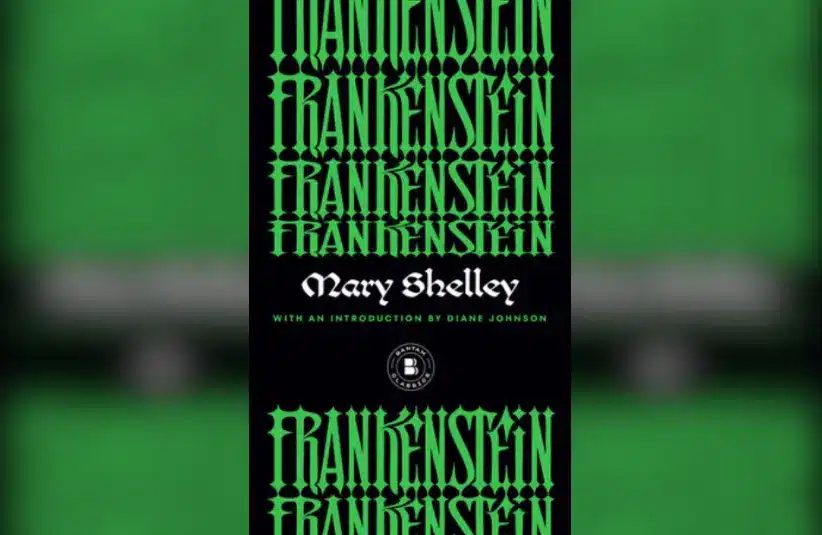
Mary Shelley was only 18 when she wrote “Frankenstein,” yet she managed to crack open questions about creation, responsibility, and what makes someone a monster—questions we still haven’t answered cleanly. There’s something almost rebellious about how she stepped into a genre that didn’t even exist yet and made it her own. As a female author working in a time when women weren’t taken seriously, her legacy hits especially hard during Women’s History Month.
5.) Chimamanda Ngozi Adichie
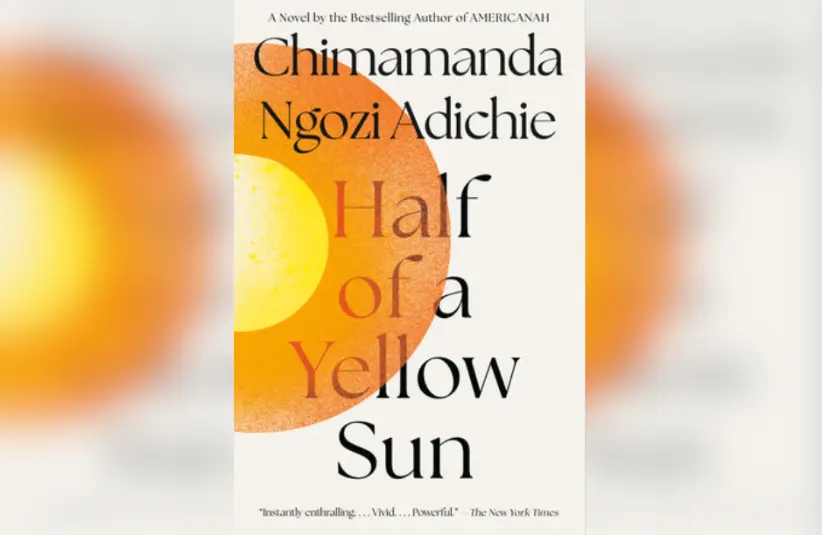
Chimamanda Ngozi Adichie writes with a clarity that feels like someone finally turning the lights on in a room you’ve been stumbling through. Her novels—”Americanah” and “Half of a Yellow Sun“—dig into identity, belonging, and the messy ways people love each other across cultures and continents. Her essay “We Should All Be Feminists” has become a cultural touchstone, not because it’s loud, but because it’s honest. She’s one of the contemporary female authors reshaping how we talk about womanhood today.
6.) Alice Walker
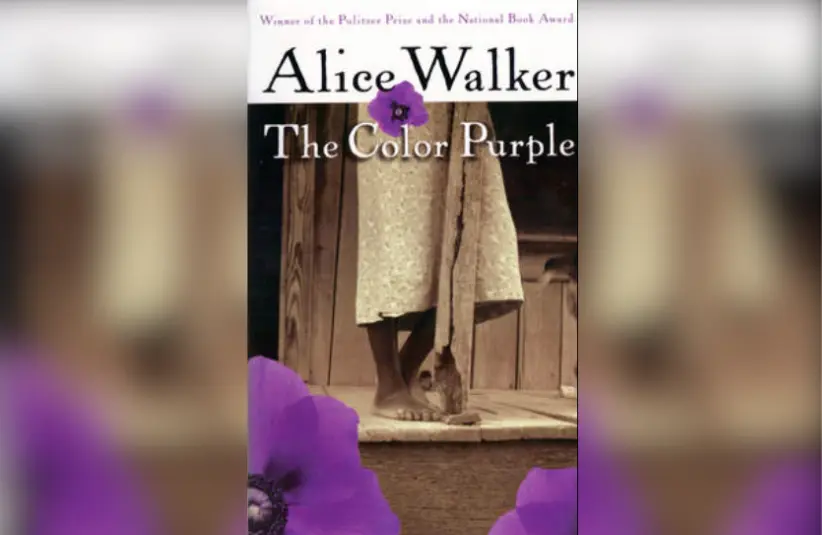
Alice Walker doesn’t shy away from the hard stuff—she walks straight into it and brings you with her. “The Color Purple” is the kind of novel that breaks you open and then slowly stitches you back together, showing the strength women find in each other when the world gives them nothing else. Her essays and poetry carry that same mix of vulnerability and fire. Walker’s voice is a grounding force during Women’s History Month, especially when celebrating female authors who write from the heart outward.
7.) Virginia Woolf
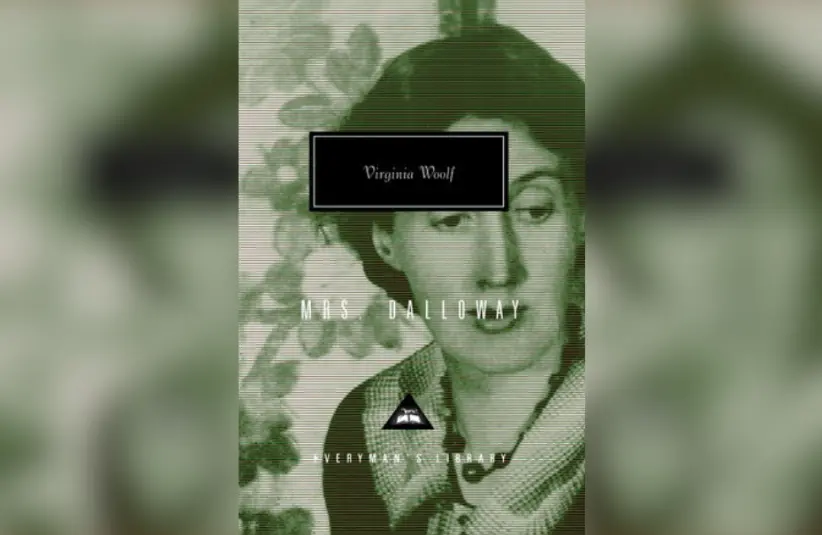
Virginia Woolf had a way of slipping into a character’s mind so quietly that you barely notice you’ve crossed the threshold. Her novels—”Mrs. Dalloway” and “To the Lighthouse”—move like memory does: looping, drifting, circling back to the things we can’t shake. And “A Room of One’s Own” still hits a nerve because the fight for creative space is something women know all too well. Woolf’s work feels like a conversation that started a century ago and still hasn’t finished.
8.) Emily Brontë
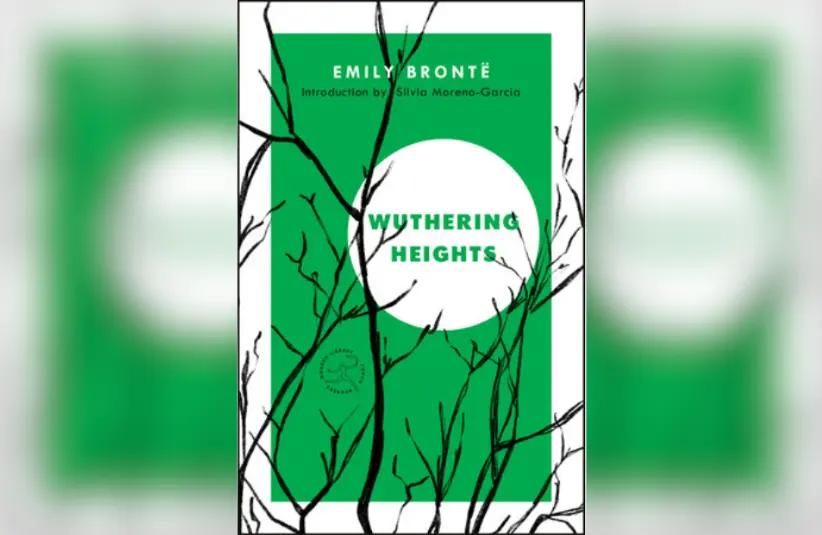
Emily Brontë wrote “Wuthering Heights” like she was exorcising something—wild love, grief, rage, all tangled together in a story that refuses to behave. It’s the only novel she ever published, but it left a mark deep enough to echo through generations of readers and writers. Brontë reminds us that female authors don’t need a long bibliography to change the landscape; sometimes one book is enough to shake the walls.
9.) Agatha Christie
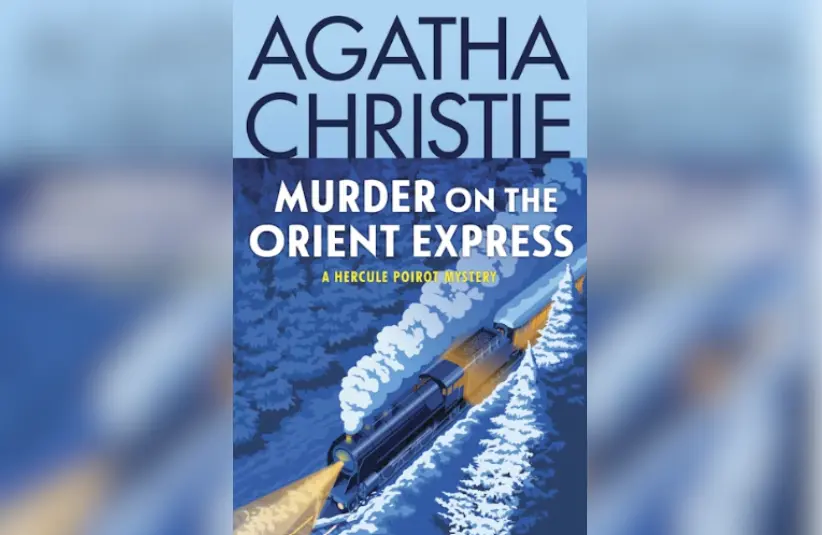
Agatha Christie had a mind built for puzzles—twisty, clever, and always three steps ahead of everyone else in the room. With classics like “Murder on the Orient Express” and “The Murder of Roger Ackroyd,” she turned detective fiction into something addictive, the kind of reading that keeps you up way too late, insisting you’ll stop after “just one more chapter.” Christie’s legacy proves that female authors have dominated mystery long before it was trendy.
10.) Roxane Gay
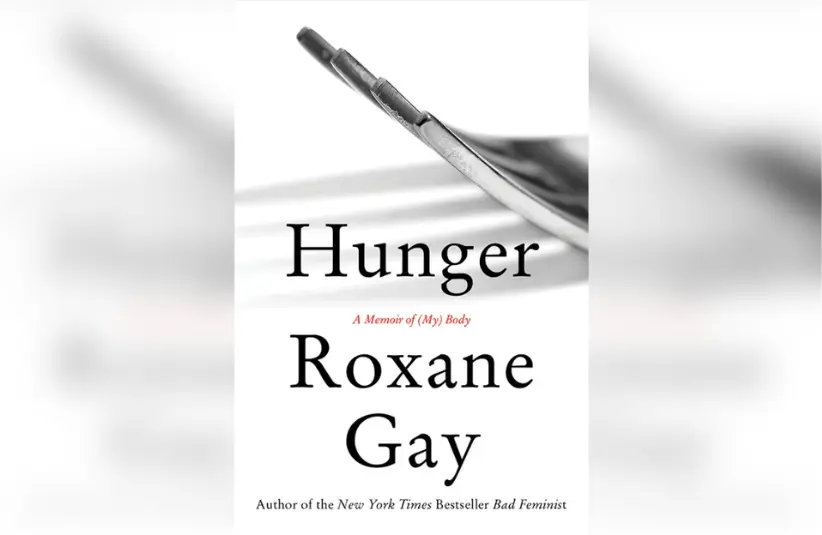
Roxane Gay writes with a kind of blunt honesty that feels like someone finally saying the quiet parts out loud. “Bad Feminist” blends humor, frustration, and cultural critique in a way that makes you feel seen, while “Hunger” is one of the most vulnerable memoirs of the last decade. Gay’s work hits especially hard during Women’s History Month because she refuses to flatten womanhood into something neat or easy. She writes the mess, the contradictions, the truth.
Celebrate Women’s History Month
These ten female authors span centuries, continents, and genres, but they share one thing: a commitment to telling stories that matter. Whether you’re revisiting classics or discovering new voices, this list offers a powerful way to honor Women’s History Month through the words of the women who changed literature forever.
Author
