
5 Black Innovators Who Revolutionized Gaming


The video game industry didn’t just pop into existence like a hidden level you somehow glitched into. It was built—carefully, creatively, and yes, pixel by pixel—by innovators who were pushing boundaries long before gaming became a multibillion‑dollar cultural powerhouse. And among those pioneers are Black innovators whose contributions weren’t just important; they were game‑changing in the most literal sense.
This feature highlights five trailblazers who shaped the industry as we know it. Check out their achievements and break them down. Then, imagine the alternate timeline where their work never happened—a timeline no gamer wants to live in!
A Brief History of Gaming
Before consoles ruled living rooms and esports packed arenas, video games were tiny experiments hiding in research labs. Early creations like OXO and Tennis for Two were more science‑fair curiosities than cultural phenomena. Then came the 1960s and Spacewar!, which spread across university networks like the original LAN party.
Then came the 1970s, dropping the biggest twist yet: home consoles and arcades arrived like they owned the place. With Atari, Pong and a flood of fresh tech, gaming went from lab project to pop‑culture powerhouse. And right in the middle of this pivotal era, Black innovators stepped in and left their mark—permanently.
1. Gerald “Jerry” Lawson: The Father of the Cartridge

Before Jerry Lawson, consoles were basically glorified single‑game machines. If you wanted a new game, you needed a whole new system. Imagine buying a new console every time you wanted to switch from Pong to Breakout. Chaos.
Lawson changed everything. As head engineer for Fairchild Semiconductor’s gaming division, he led the creation of the Fairchild Channel F in 1976—the first console with interchangeable cartridges. Suddenly, games were no longer welded to the hardware. You could swap them out like magic.
A world without Lawson: Say goodbye to your game library, rental stores, and the entire business model that made consoles viable. Without Lawson, the industry would’ve been stuck grinding in tutorial mode.
2. Ed Smith: The Imagination Machine Pioneer
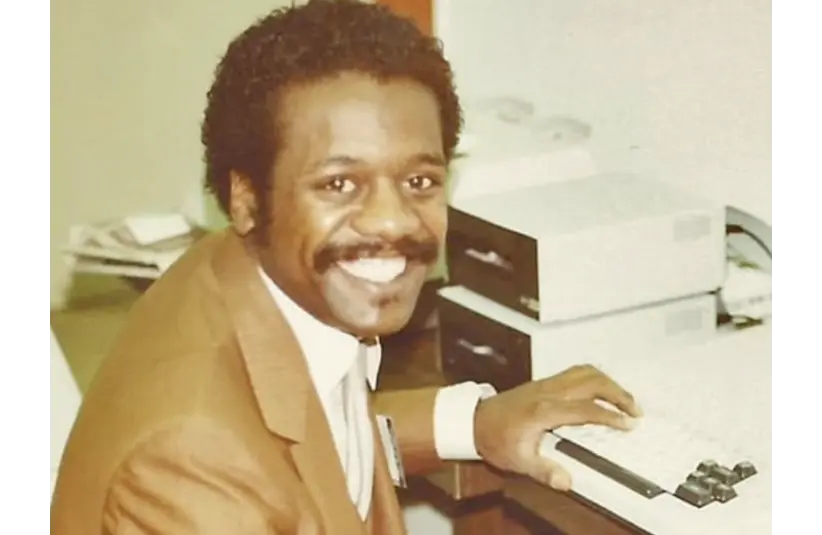
While Lawson was revolutionizing how games were delivered, Ed Smith was busy redefining what a console could be. As an engineer at APF Electronics, Smith helped build the APF‑MP1000 and its ambitious expansion: the Imagination Machine.
This hybrid console‑computer combo let users play games, learn to code, and run programs—years before “edutainment” became a buzzword. Smith wasn’t just ahead of the curve; he was drawing the curve.
A world without Ed Smith: Consoles might have stayed in their “games only” lane for much longer. The idea that your console could also be a creative tool? That seed was planted by Smith.
3. Alice “Wonderwoman” Washington: The Architect of the Arcade
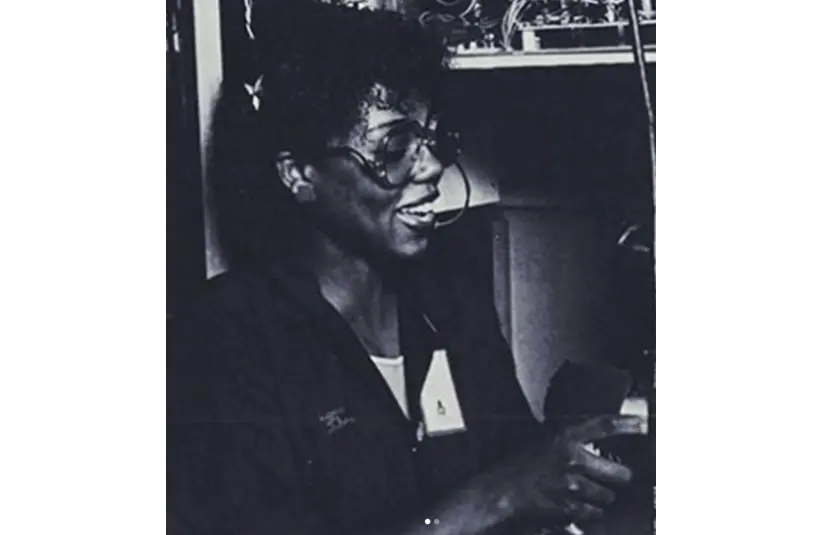
Not all heroes wear capes—some wear factory badges. Alice Washington, known as “Wonderwoman,” was a manufacturing technician at Atari during the arcade boom. Her job? Installing printed circuit boards into arcade cabinets with speed and precision that coworkers described as “poetry in motion.”
According to an Atari newspaper feature, she could drop a PCB into a cabinet in seconds, slap on the safety labels, and keep the production line humming. Without people like Washington, classics like Pac‑Man and Space Invaders wouldn’t have reached the arcades that defined a generation.
A world without Alice Washington: Arcade culture might have lagged behind. Fewer machines, slower production and a whole lot of disappointed kids with pockets full of quarters.
4. Neil Jones: The Modern Indie Visionary

Today’s indie scene is thriving, and creators like Neil Jones are a big reason why. After hitting barriers in the traditional industry, the Detroit developer built his own studio, Aerial Knight, and released Never Yield, a slick 3D runner starring a Black protagonist navigating a futuristic version of his hometown.
Jones proved that one determined creator can build a global hit—and that indie games can tell stories big studios overlook.
A world without Neil Jones: The gaming landscape would be missing a whole lot of flavor. Indie games would feel less diverse, and aspiring developers would lose a powerful example of what’s possible.
5. Tanya DePass: The Champion for Diversity

Gaming isn’t just about tech—it’s about culture. Tanya DePass has spent the last decade pushing the industry toward better representation. She founded I Need Diverse Games, a non-profit organization, after a tweet with the hashtag #INeedDiverseGames gained traction on social media. Although this non-profit organization closed its doors in 2024, its impact is still felt today. Over the decade she ran I Need Diverse Games, she fought for marginalized creators, helped studios level up their inclusive storytelling, and kept the pressure on to hire and promote diverse voices.
Her work ensures that games reflect the people who play them—not just a narrow slice of them. DePass is still extremely active in the gaming world and can be found streaming and on socials as @cypheroftyr. She is the creative director of Into the Mother Lands and serves as Board Chair for Take This, a mental health organization for the gaming community. Let’s just say she fights for all gamers and brings receipts.
A world without Tanya DePass: There would be fewer characters of color, fewer LGBTQ+ narratives and far fewer marginalized creators getting their shine. The industry would be frozen on a loading screen instead of leveling up.
The Legacy Continues
From cartridges to coding hybrids, from arcade assembly lines to indie breakthroughs, these innovators shaped gaming in ways that still ripple through the industry. Their stories prove that innovation comes from everywhere—and that the future of gaming is brightest when everyone gets a seat at the table.
Author
