
Assassin’s Creed is Still Popular Even After 20 Years, it’s Popularity Steming From it’s Exploration and Interpretation of History


Assassin’s Creed is one of the most popular action game series out there, with over 10 installments, multiple Game of the Year awards across entries, and a dedicated fan base and community over the past 20 years. One of the biggest reasons the series has appealed to gamers around the world and over the years is its whole schtick on exploring different worlds based on real historical timelines.
From Ancient Egypt to the Era of the American Revolution to Feudal Japan, the series celebrates these cultures by retelling these pieces of history in different interpretations, showing off the creativity and immersive storytelling of each game. It’s time we recognize the importance of the development of the series’ legacy by highlighting its celebration of world history through its games.
History in the Making
The idea behind the series depicts a thousand-year-old struggle between the Order of Assassins, who fight for peace and free will, and the Knights Templar, who desire peace through order and control. The basis for each game remains the same: Players control an assassin in the present day, who has ties to the Assassin–Templar conflict, while also controlling an assassin living during important historical eras around the world.
According to Ubisoft art director Thierry Dansereau, who worked on Assassin’s Creed titles like Syndicate, Odyssey, and Shadows, the series is great because it’s based on real historical knowledge and lets us revisit places that no longer exist. Dansereau spoke with GamesRadar+ at the first anniversary event celebrating the release of Assassin’s Creed Shadows. Here’s what he had to say about the series and why it’s been so popular even after 20 years:
“History is such a large playground for Assassin’s Creed games, that to be able to talk about it, together, really tells a lot, for me at least. For many people, it’s a way to revisit places that no longer exist, places [that] encircle moments in human life. And I think video games allow that now – for you as a player to experience in your own way and at your own pace. And I think this is why this franchise is so great. It’s based on historical knowledge, so it’s a great way to learn.”
“I’m proud that we shipped the game! I was at DICE not so long ago and shipping any game is a small miracle, according to all developers. It’s quite a challenge, and with Assassin’s Creed there’s a lot of people involved, so it’s a collective challenge.”
“The legacy, I think, is we’ve pushed quite a lot of things: we’ve improved parkour, stealth. Fighting we’ve pushed certain elements of it. In all the systems, we’ve guided a lot of technology in the game that I think will become legacy for future ACs. There’s quite a few things that will make their way through [to future games].”
The Different Worlds We’ve Explored
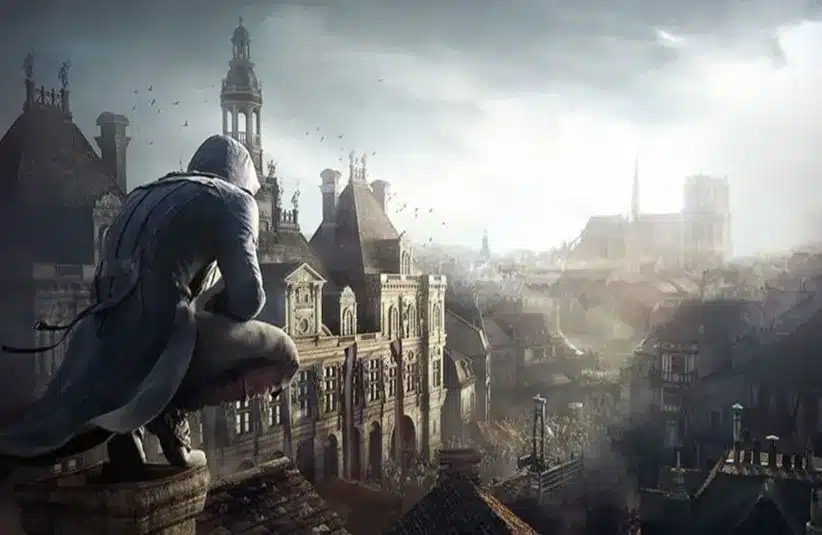
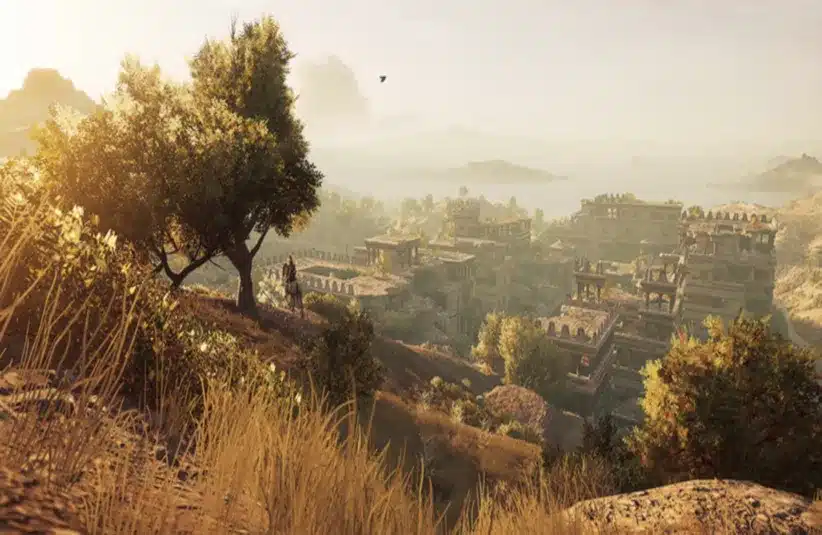

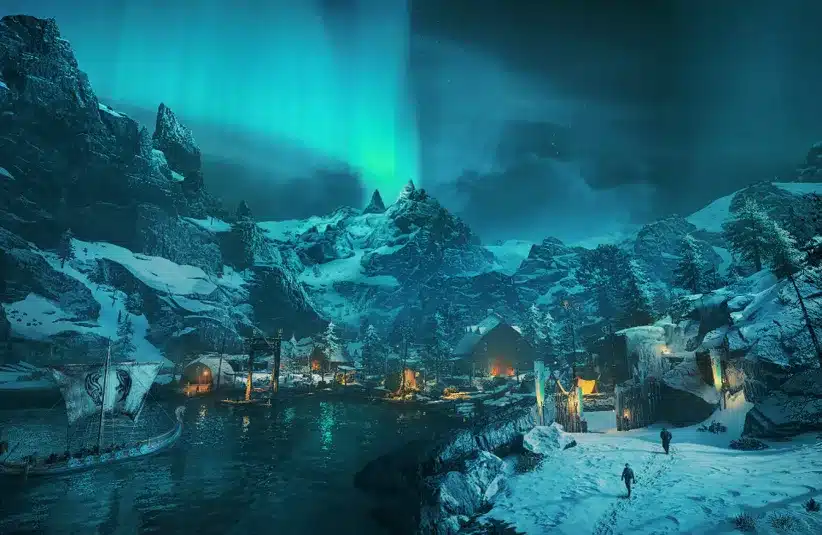
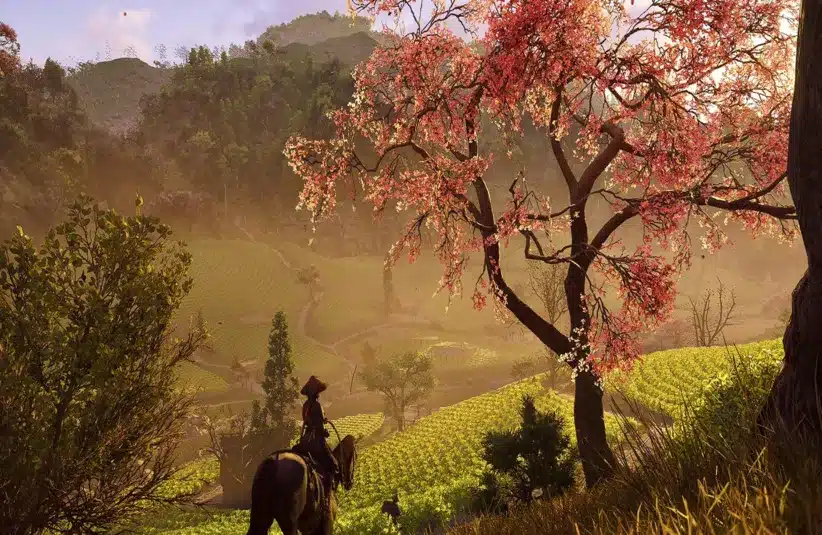
Each Assassin’s Creed video game is set in a different era in history, and it’s usually pretty well-known recollections, such as feudal Japan in Assassin’s Creed: Shadows, the Norse Invasion of England in Assassin’s Creed Valhalla, the reign of Cleopatra during Ancient Egypt in Assassin’s Creed Origins, etc. The Assassin’s Creed games are a great way to learn and revisit these historical collections, and also celebrate these cultures through fictional stories in each game.
One of the best aspects of the series is the open-world aspect to each one, letting you see visually stunning representations of these eras in history, getting to deeply explore each one, interact with them in different ways, making the games feel much more immersive. As the series goes on, the immersion gets better and better, honing in on balancing the realism and fictional parts of what makes an Assassin’s Creed game so great.
Author
