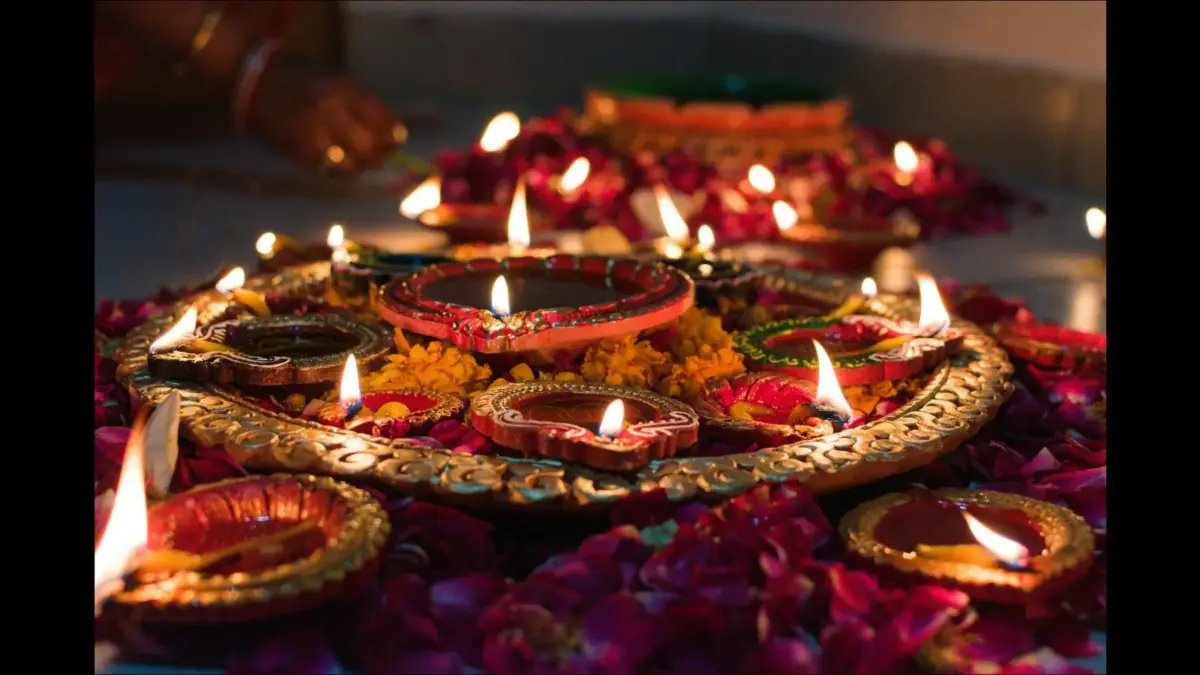
Diwali 2026, the Hindu festival of lights, arrives this fall as families across the world prepare to fill their homes with small oil lamps, fresh clothes and festive meals. The holiday, one of the major religious festivals in Hinduism, Jainism and Sikhism, generally symbolizes the victory of light over darkness, according to Britannica.
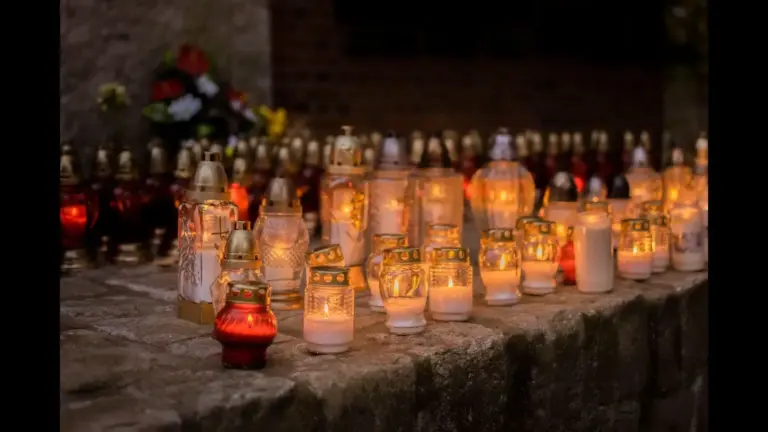
The name Diwali comes from the Sanskrit term dipavali, which means “row of lights,” Britannica reported. That name points directly to the holiday’s most familiar image: rows of small earthenware oil lamps called diyas lining houses, shops and public spaces, according to the BBC.
What Diwali Commemorates
Diwali’s roots stretch across several traditions tied to the same season of light. One of the best-known legends, as recounted by the BBC, tells of Rama and Sita returning to Rama’s kingdom after 14 years of exile. According to the legend, Rama came back with his wife Sita to Ayodhya and was crowned king soon after. Their people lit small lamps outside their homes so the new king and queen could find their way, a gesture the BBC reports as the origin of the festival of lights tradition.
The holiday also carries different meaning depending on region and community. In the Bengali and Oriya areas of India, Diwali centers on the goddess Kali. Elsewhere, the festival is closely tied to Lakshmi, the goddess of wealth, whose association with Diwali leads many business people to treat the day as a favorable time to open a new accounting year.
Diwali doubles as a New Year festival in the Vikrama calendar, falling on the night of the new moon in the month of Kartika. The festival also marks a successful harvest for many celebrants.
Diwali 2026 Dates And The Lunar Calendar
Diwali is not a single-day event. The festival lasts five days, running from the 13th day of the dark half of the lunar month Ashvina through the second day of the light half of the lunar month Karttika, Britannica reported. Because the holiday follows the lunar calendar rather than a fixed date on the Gregorian calendar, the corresponding dates usually fall in late October and November each year.
How Families Celebrate
Feasting and celebration mark the heart of Diwali, with lamps believed to make it easy for Lakshmi to find her way to favored houses. Many families use the occasion to redecorate their homes and buy new clothes as part of the tradition.
Gift-giving is another common thread of the holiday. The BBC reports that Diwali is a time for buying and exchanging presents among family and friends. An early morning bath with oil is also a traditional practice tied to the festival.
One lesser-known custom traces back to a legend involving the goddess Parvati, who is said to have played dice with her husband on this day and declared that anyone who gambled on Diwali night would do well. That legend has led many Indians to treat Diwali as an occasion for games of chance, according to the BBC.
Why The Festival Matters Beyond Hinduism
Diwali’s reach extends past Hinduism alone. Britannica lists it among the major religious festivals observed in Hinduism, Jainism and Sikhism, reflecting how the themes of light overcoming darkness resonate across related South Asian faith traditions that share historical and cultural roots.
For readers looking to understand the holiday’s broader place in religious practice, Total Apex Entertainment has covered other observances tied to reflection and renewal this season, including daily devotionals on service to others and pieces on finding a sense of purpose.
What’s Next
With Diwali’s five-day observance following the lunar calendar, exact dates shift from year to year, landing in late October or November depending on the lunar month’s alignment. Families preparing for this year’s celebration can expect the familiar rhythm of lighting diyas, cleaning and redecorating homes, exchanging gifts and gathering for festive meals as the new moon in Kartika approaches.
 Don't stop here
Every Score. Every Story. One Home.
Breaking sports, entertainment and news from across the Total Apex network, updated all day.
Get the Full Story →