
The cold doesn’t knock—it barges in. One day you’re sipping coffee on the porch, and the next, the wind’s howling and the cushions are stiff with frost. If you’ve got outdoor furniture—wood, metal, wicker, cushions, umbrellas—it’s time to winterize. This isn’t just about keeping things tidy. It’s about protecting what you’ve built, bought, and used all season long.
Winterizing outdoor furniture means thinking ahead. It’s about knowing that snow, ice, and freeze-thaw cycles can split wood, rust metal, and turn soft cushions into moldy messes. Whether you’re in a place where snow piles up or just get those sneaky Oklahoma ice storms, this checklist will help you prep, protect, and rest easy.
Why Winterize Outdoor Furniture?
Outdoor furniture is built to handle sun and rain—but not deep winter. Cold weather brings moisture, wind, and temperature swings that can do real damage. Winterizing helps:
- Prevent cracking, rusting, and mold
- Extend the life of cushions, frames, and finishes
- Avoid costly replacements in spring
- Keep your patio setup ready for early warm days
It’s not just about aesthetics—it’s about stewardship. If you’ve invested in a space that brings joy, it deserves a little care before the cold sets in.
Step-by-Step: How to Winterize Outdoor Furniture
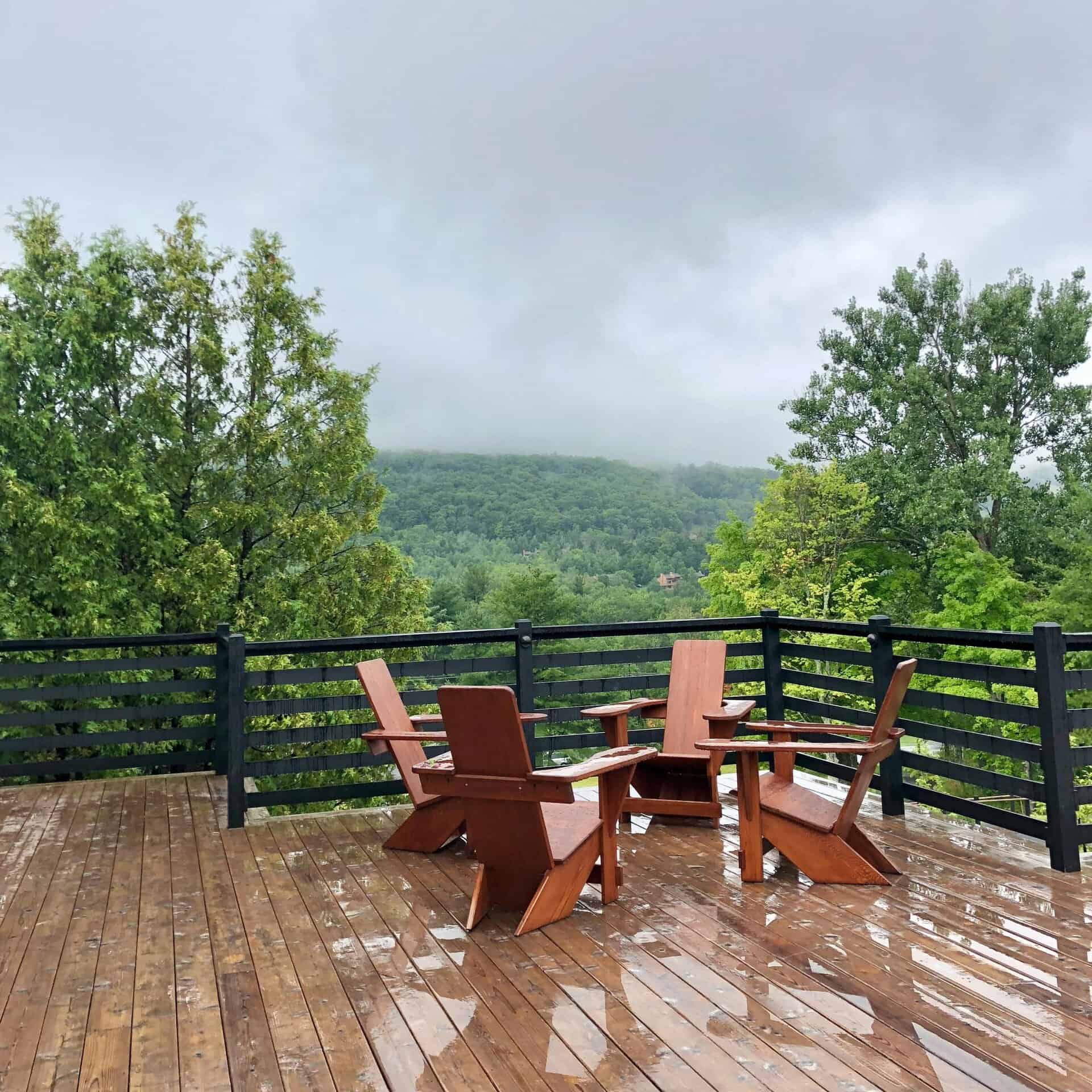
1. Clean Everything First
Before you store or cover anything, give it a good clean.
- Wipe down all surfaces with mild soap and water.
- Remove dirt, pollen, bird droppings, and mildew.
- Let everything dry completely before covering or storing—moisture trapped under covers is a recipe for mold.
2. Store What You Can
If you’ve got a shed, garage, or covered porch, use it.
- Move cushions, umbrellas, and lightweight furniture indoors.
- Stack chairs and tables if space is tight—just avoid trapping moisture between layers.
- If you’re short on space, even a tarp-covered corner with good airflow is better than nothing.
3. Cover What Stays Outside
Not everything can be moved. That’s okay—just cover it right.
- Use waterproof, breathable covers designed for outdoor furniture.
- Avoid plastic tarps—they trap moisture and invite mold.
- Tie down covers securely to prevent wind damage. Use bungee cords or heavy-duty ties.
4. Protect Wood and Metal
Cold and moisture are hard on natural materials.
- Apply sealant or protective oil to wood surfaces—especially teak, cedar, or acacia.
- Check metal frames for rust—sand and touch up with rust-resistant paint if needed.
- Wicker? If it’s natural, it needs to be stored. Synthetic wicker can stay out with a good cover.
Bonus Winterizing Tips for Real-World Yards
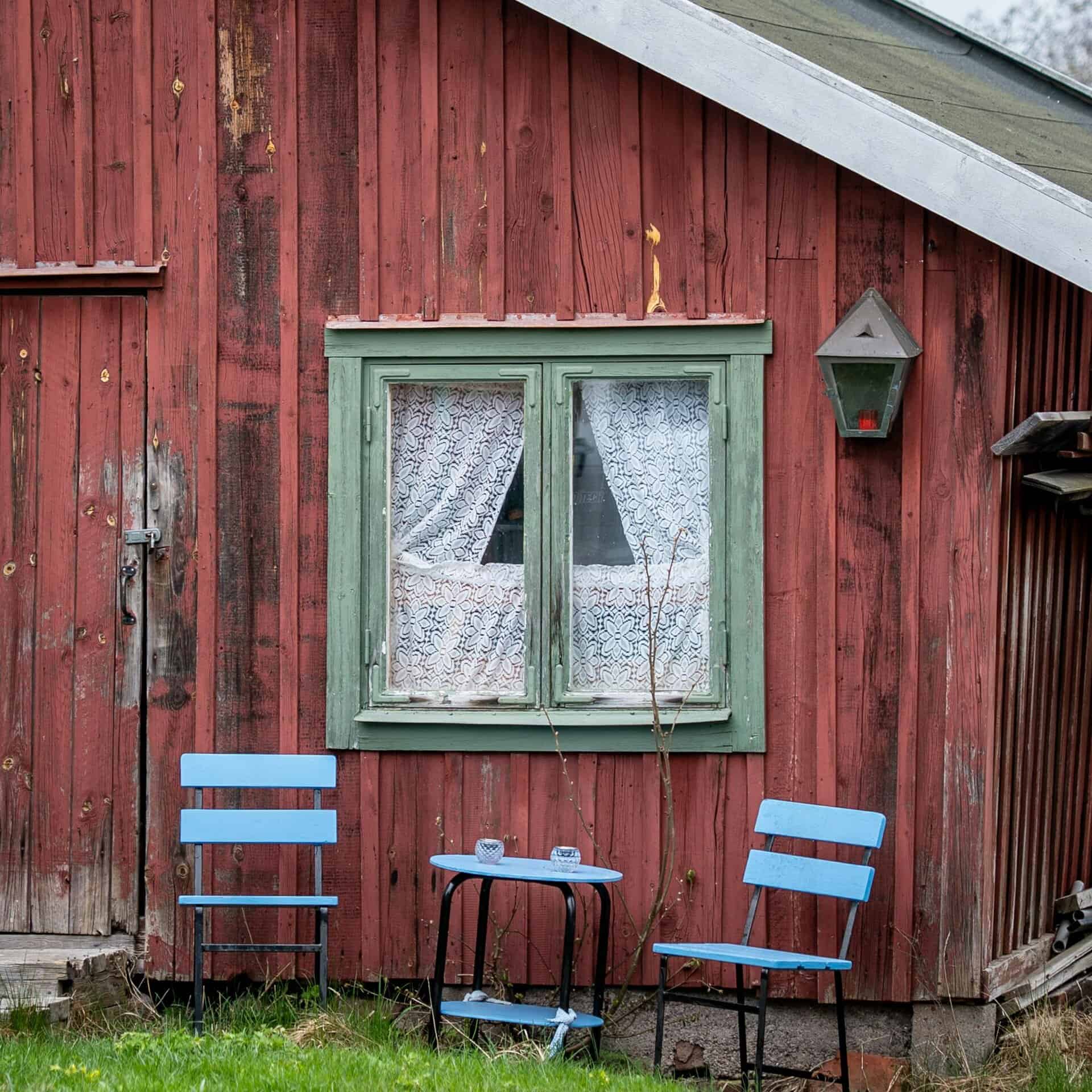
Drainage and Freeze Prep
This is where things get real. Oklahoma’s freeze-thaw cycle can wreck a yard if water has nowhere to go. If you have a moody winter, you know this too.
- Clear out gutters, trenches, and French drains. Leaves and debris will freeze, thaw, and clog everything.
- Check for pooling water around furniture bases and redirect runoff.
- If you’ve got a patio heater or fire pit, clean and cover it too. Moisture and rust don’t mix.
Water Systems and Faucets
This is the part folks forget—until the hose is frozen solid and the faucet’s cracked.
- Disconnect and drain hoses, sprayers, and irrigation lines.
- Coil and store them out of the weather.
- Wrap outdoor faucets with insulated covers or old towels and plastic bags if needed.
- If you’ve got a well house or chicken coop, plug in the heat lamps or string up the old-school bulbs. Don’t wait for the first sub-zero night to scramble.
Final Thought
Winterizing your patio setup isn’t glamorous, but it’s necessary. A little effort now saves a lot of frustration later. Protect your outdoor furniture from snow and ice, and you’ll be ready to roll out the cushions and light the grill the moment spring peeks through.
This is about more than furniture—it’s about rhythm. It’s about knowing the land, the weather, and the way things shift. So go out one more time. Clean, cover, wrap, and tuck in. The cold’s coming, but you’re ready.
 Don't stop here
Every Score. Every Story. One Home.
Breaking sports, entertainment and news from across the Total Apex network, updated all day.
Get the Full Story →