
A 2025 Medical Cannabis Review: Weeding Out The Hype To Uncover The Hard Scientific Truth

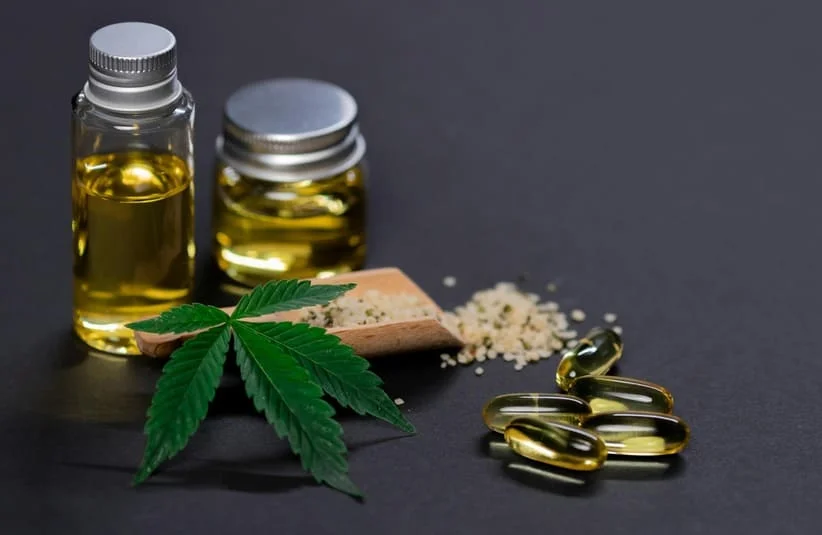
It seems like everyone and their grandmother is talking about the miraculous healing powers of weed. The public’s perception is that medical cannabis and cannabinoids are Mother Nature’s ultimate cure-all; however, a recent review by JAMA parsed through the smoke and mirrors of the hype.
Hype VS Facts: Public Perception and Clinical Reality
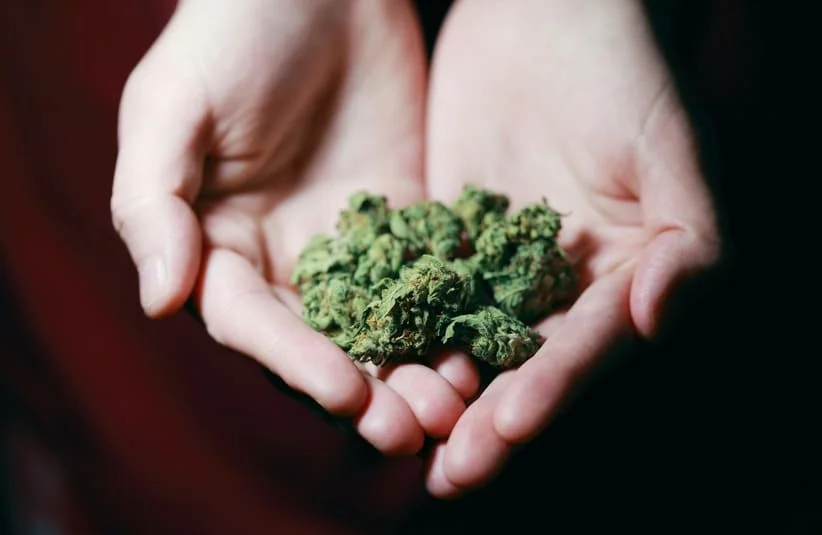
If you grew up in the 90s to early 2000s, you would see commercials about the war on drugs and experience the infamous D.A.R.E. program in school. With the recent opioid crisis, we want something that won’t get us addicted or force us to take a Kongu line of prescription pills. Then came the allowance of medical cannabis and OTC cannabinoids, and then BOOM! It was advertised that it can reduce chronic pain, nausea, and alleviate symptoms of neurodegenerative diseases like Parkinson’s.
The truth is, we WANT medical cannabis to work that way because being in pain, anxious, or insomniac is miserable; and suddenly an all-natural solution comes into play, making it seem like it’s a safer and more friendly alternative to pills. Well, I’m sorry to say that, with an article published by the Journal of the American Medical Association (JAMA), it’s mostly all flash and little powder.
Dr. Michael Hsu from UCLA Health, the lead author of the review, points out a massive gap between what we THINK works and what we can PROVE works for these products. The review found that outside of a few very specific, FDA-approved pharmaceutical-grade products, the evidence supporting cannabinoids for general medical issues is shaky at best.
Pharm-Grade Medical Cannabis Study
Does that mean it’s all a placebo? Not necessarily. Dr. Sherry Yafai, an emergency medicine physician who works in integrative health, puts it perfectly. She notes that the public tends to think cannabis cures everything, while the scientific community acts like it cures nothing. The truth in this case is that they are somewhere in the messy gray middle.
Now, some cannabinoids have passed the rigorous testing of the FDA and received a pharmaceutical-grade level of approval for treatment, such as Epidiolex (plant-based CBD) and Marinol (synthetic THC). Many people misuse medical cannabis and cannabinoids to treat “off-label” symptoms (chronic pain, insomnia, anxiety, and PTSD). These heavy hitters are approved for very specific and severe conditions:
- Nausea and vomiting caused by chemotherapy.
- Anorexia associated with HIV/AIDS – related weight loss
- Specific, rare forms of pediatric seizure disorders
Major organizations, like the American College of Physicians and the American Psychiatric Association, generally don’t recommend it as the first go-to. The main reason: it’s labeled as an illegal substance under U.S. federal law. Gold-standard trials are impossible to run with a drug banned in the same group as heroin, leaving us with small studies and anecdotal evidence. This isn’t enough to satisfy the rigorous protocols of modern medicine, AND it’s a frustrating conundrum to study something you can’t use at all.
It’s Natural, But It’s Still A Drug
There’s a misconception going around: “It comes from nature; therefore, it’s safe to use.” Counterpoint: Do you rub Poison Ivy on your skin or eat Hemlock for dinner? I hope y’all’s answers are no. Plants, regardless of having potent toxins or not, aren’t completely benevolent to mankind. We have medicines to treat plant irritants and counteract allergic reactions. Whatever we use for medical purposes, we must always remember that the side effects can be beneficial AND harmful to our bodies.
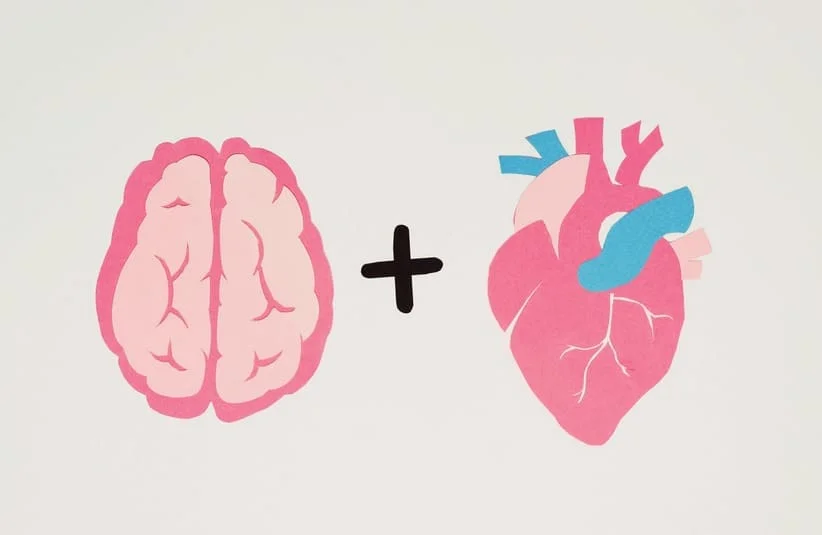
The review highlighted some genuine risks associated with medical cannabis, particularly regarding heart and mental health. Daily use, especially of high-potency products, has been linked to an increased risk of heart attack, stroke, and coronary heart disease. While many people use weed to chill out, high-potency cannabinoids can actually trigger psychotic symptoms and worsen generalized anxiety disorder in some individuals.
Dr. Zergabachew Asfaw also raises a critical point about drug interactions. If you are taking other medications, adding cannabis to the mix without supervision can be dangerous. It can mess with how your body metabolizes other drugs, leading to adverse reactions or making your other meds stop working. You must talk to your medical physicians about how to properly use medical cannabis and cannabinoid-containing products.
It’s Not A Miracle Drug, But It Ain’t Snake Oil Either
The JAMA review points out that cannabis isn’t the answer to all ailments that a majority of the public suffers from. It may work for some in various ways, but overall, it’s not a one-size-fits-all cure we hoped it would be. If you’re interested in trying them, it’s best to find a cannabis physician who can help you find a regimen that is safe, monitored, and actually effective. Use it in moderation, take care of your heart and mental health, and hope we can have more studies and clearer answers in the near future.
