
Is Exercise Variety A Necessity For Longevity?

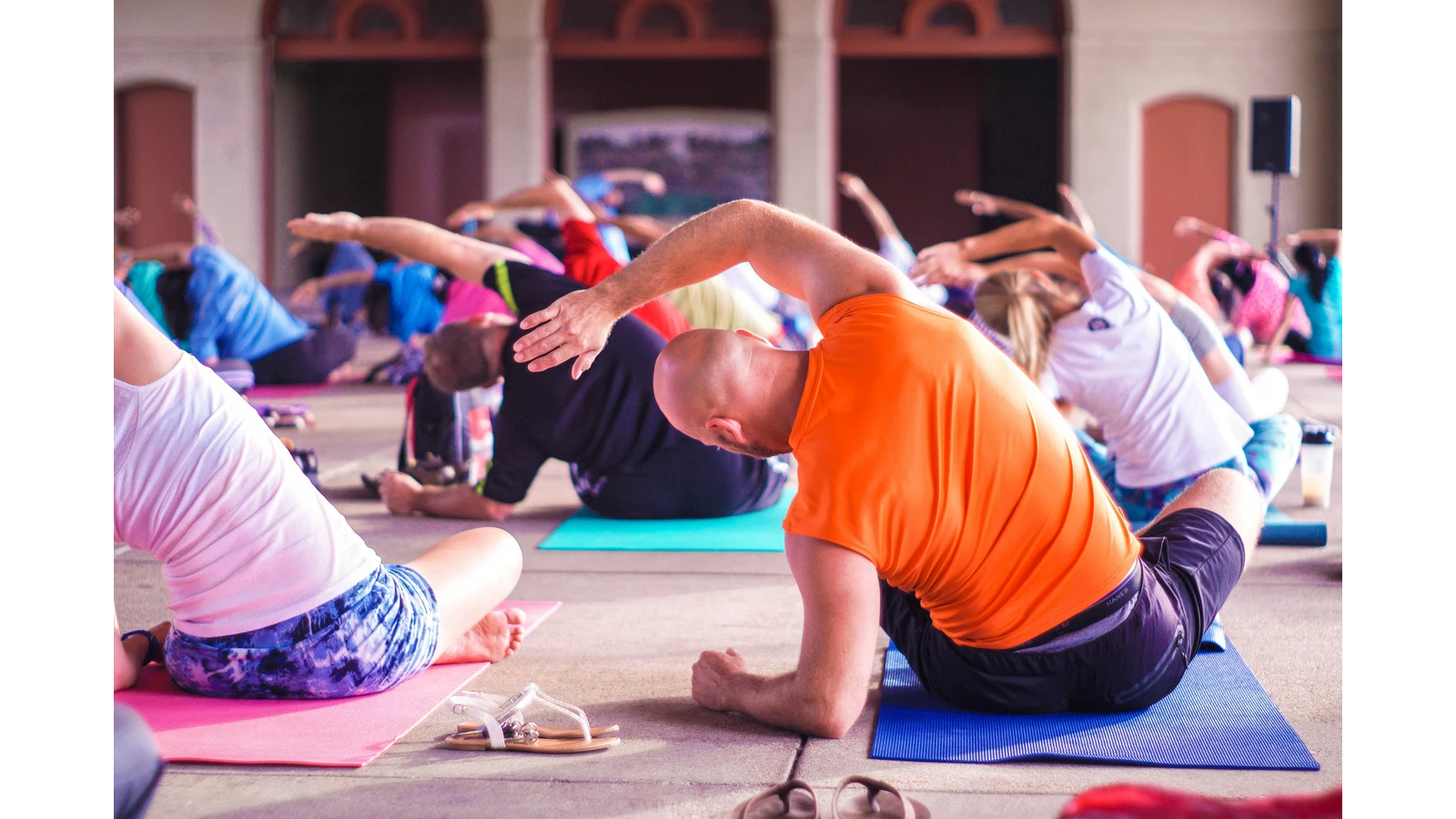
Exercise is already known as a prerequisite for good health. A routine crucial for all facets of human health. For a long time, fitness emphasized one key message: move more, conditioning us to concentrate on the measure of exercise. However, a new study suggests a well-established relationship between exercise and longevity, indicating that cross-training with complementary health advantages may be more beneficial for preventing early mortality. In other words, if you want to live a longer, healthier life, it may be worthwhile to mix up your routine.
Why Variety Matters and How it Does the Longevity Magic
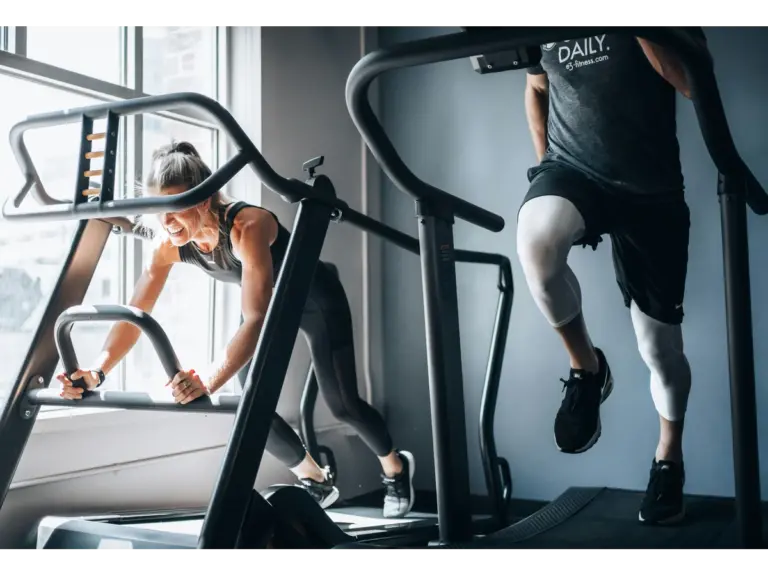
Quantity has always been the focal point for a successful exercise routine, even though it is linked to lower mortality. But recent findings are giving a fresh perspective that indicates variation is equally important. The observational study published in the BMJ Medicine journal and data analyzed by the Nurses’ Health Study and the Health Professionals Follow-Up Study compared exercise habits and longevity of over 30 years from 111,000 participants. The results showed that longevity was more closely associated with exercise variety than with the amount of time spent working out.
Among the activities monitored were walking, jogging, running, cycling, stair climbing, and racket sports, with walking standing out. And swimming was an exception because it didn’t demonstrate the same obvious advantages as the others. Individuals who frequently switched between several kinds of physical activities had a 19% chance of dying young and up to a 41% chance of dying from causes like respiratory conditions, cancer, and cardiovascular disease compared to those who performed the least variety per the study. This trend implies that consistently engaging in workout variety may provide extra longevity advantages that total physical activity cannot capture.
The human anatomy is a complex system that requires a range of motion, strength, and stability, highlighting the necessity of engaging various workout types to target different health pillars that longevity depends on, such as strength, flexibility, balance, and coordination, as well as cardiorespiratory fitness. The diverse engagement challenges the body in different ways, which explains the outcome. In addition to exercise variation targeting multiple areas, it distributes mechanical demands among muscles, joints, and motion patterns, reducing tissue overuse from repeatedly performing the same movement patterns. The main reason runners and cyclists experience stress fractures and long-term joint problems is that they often completely give up exercising.
Beyond improving physical health, switching things up enhances the development of mental health. The brain, muscles, and heart continue to grow, which postpones the inevitable decline (death) because the brain will eventually lose neuronal pathways to aging. Avoiding the plateau effect is another benefit of mixing workouts for those who have a favorite activity.
The plateau effect is a temporary cessation of progress in your choicest sport because your body has mastered the motions. Different workouts introduce new techniques that stimulate your body to overcome the pause. Also, singular physical activity is bound to reach its peak at a certain point, after which people don’t gain many more health benefits. Combining diverse workouts enhances the benefits of physical activity at this point and lowers your risk of dying young.
Achieving Longevity With Workout
There are no precise guidelines on how many diverse exercises you should perform weekly or monthly to reap the greatest benefits or longevity. The crucial thing is to build every muscle by working them once a week at least. The US Department of Health and Human Services (USDHHS) and the Centers for Disease Control and Prevention (CDC) advise that adults should engage in at least 150 minutes of moderate-intensity exercise weekly, and strengthening activities that target major muscles should be done at least twice a week. Even though research has yet to examine the ideal combination of workouts for longevity, some top physical activities are particularly beneficial for promoting long-term health.
Strengthening Exercises
We naturally lose muscle mass as we age, especially from age 30—even more every 10 years. Research has linked weak muscles, particularly in the legs, to a higher risk of loss of independence, cardiovascular disease, and all-cause mortality. Strength training sustains muscle mass, maintains functional strength, and increases bone density as we age. The training doesn’t necessarily have to be heavy weights, body weoght exercises like squats, lunges, push-ups, and planks are a good starting point.
Walking
Walking actively has the biggest reduction in the risk of early mortality. It’s one of the most accessible exercise types that has tremendous effects on longevity without needing a lot of time, speed, and intensity. Regardless of the type of walk, it improves cognitive performance, mobility, and flexibility, as well as enhances cardiovascular health as we age. Roughly 150 minutes per week of brisk walking, or 30 minutes daily, five days a week, is the general guideline for adults.
Cycling
This is another great workout that promotes longevity. It raises heart rate and is easy on joints whether it’s stationary or in motion. Cycling is an enjoyable way to stay active. It increases endurance and stamina, which enhances general physical performance. People with joint problems can benefit from the activity due to its gentleness on the joints.
Other Essential Exercise Moves
- Grip activities like carrying weight or hanging from a bar enhance cardiac health and improve general health.
- Shoulder presses improve shoulder thrust and stability and efficiently work the lateral (side) and anterior (front) deltoids.
- Deadlifts are a basic strength workout that builds your posterior chain and teaches you how to lift weights without hurting your back.
- Barbell rows strengthen the back and correct posture, preventing any kind of curvature.
- Unilateral workouts target one side of the body at a time.
- Sit-ups and push-ups are two easily accessible classic workouts that strengthen the upper body and core.
- Jumps increase the power, stability, and strength of the feet.
Workout Variety is the New Normal
The new study shows that your lifespan and, to a greater extent, your healthspan are in your control. Aside from lifestyle choices, genetics, and environmental influences that play a role, your body requires varied types of movement, not simply more, to live longer. The variety doesn’t boost performance; it creates additional options when one activity fails due to aging, stress, injury, or time.
You don’t need to train like a professional, as research shows that longevity gains plateau when exercises are performed at high intensity. Regular, moderate, yet varied types of activity make a significant impact. This activity can be walking, using trekking poles daily to strengthen arms, or switching between digging in the garden and cycling. Finding a variety of ways to move that suit your lifestyle and are enjoyable on a daily basis is the best.
