
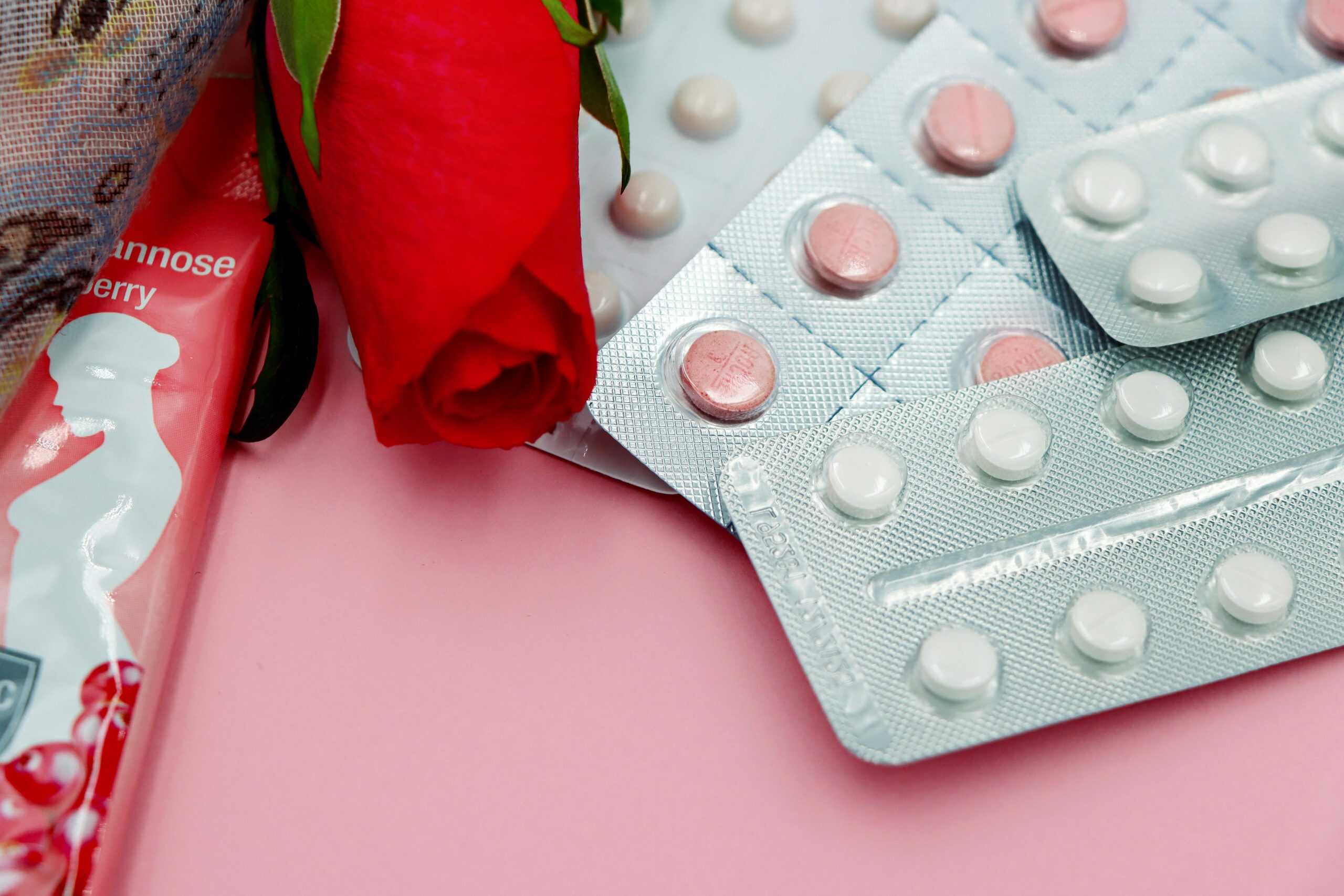
Hormonal Birth Control Explained: Pros, Cons, and What to Expect

Look, let’s be real about something that affects millions of women but still feels like a taboo topic at dinner parties. Hormonal birth control isn’t just about preventing pregnancy – it’s basically rewiring your entire system. And honestly? Nobody really prepared us for the emotional rollercoaster that comes with it.
You know that friend who started the pill and suddenly became a different person? Or maybe you are that friend, wondering why you’re crying at dog food commercials and second-guessing every decision since 2019. Welcome to the wild world of hormonal contraceptives, where your body becomes a chemistry experiment you never signed up for.
What Exactly Is Hormonal Birth Control Doing to You?
Most methods contain synthetic versions of estrogen and progesterone (sometimes just progesterone). These hormones trick your body into thinking it’s pregnant, stopping ovulation. Smart, right? But here’s the kicker: they don’t just affect your reproductive system. They can touch everything from your mood to your sleep cycle.
According to the American College of Obstetricians and Gynecologists, progestin-only methods can be a good option for women who can’t take estrogen. However, they still come with their own set of side effects.
The Mental Health Maze
-
Depression & Anxiety: A massive Danish study of over a million women found that users of hormonal birth control were more likely to be prescribed antidepressants within a year compared to non-users. Even the Healthline breakdown acknowledges this link.
-
Stress Response: The pill may interfere with progesterone production, reducing a calming hormone called allopregnanolone. Translation: stressful days might feel heavier than they used to.
For some women, hormonal birth control brings stability; for others, it feels like their mood is on a permanent rollercoaster. Bodies are weird like that.
Physical Side Effects Nobody Warns You About
-
Sleep & Circadian Rhythm: Estrogen influences your internal 24-hour clock. Disruption here means jet-lag-like fatigue even when you haven’t left home.
-
Migraines: If you’re prone to migraines with aura, combined hormonal birth control can raise your stroke risk – definitely a conversation to have with your doctor.
-
Weight Changes: Some women notice a few extra pounds over time, especially with shots, implants, or the combined pill. Others see no difference at all.
Menstrual & Sexual Side Effects
-
Breakthrough Bleeding: Up to half of combined pill users deal with spotting during the first few months. Annoying, but often temporary.
-
Withdrawal Bleeding vs. Real Period: That monthly bleed on the pill isn’t a real cycle – it’s your body reacting to the hormone drop.
-
Libido Changes: The irony? Some women lose interest in sex, while others actually enjoy a boost depending on the method (hormonal IUDs and rings can be positive for some).
The Silver Linings
Despite the side effects, hormonal birth control also has benefits:
-
Clearer skin thanks to reduced testosterone.
-
More predictable cycles and relief from PMS or PMDD.
-
Symptom management for endometriosis and PCOS.
-
Lower risk of ovarian and endometrial cancers (even though breast/cervical risks may rise slightly).
Making an Informed Decision
The bottom line: hormonal birth control is a tool, not a one-size-fits-all solution. For some women, it’s life-changing in the best way. For others, it feels like losing control of themselves.
If you’re considering it, ask your doctor:
-
Which option best fits your health history?
-
How long should you try one method before switching?
-
What side effects are deal-breakers vs. manageable?
And if you’re already on it and struggling? Speak up. There are alternatives, and your experience matters.
Because at the end of the day, it’s your body, your rules, your choice—just make sure it’s an informed one.