
A Physically Healthy Person Has These 6 Major Identifiable Traits


There are several indicators of good health, including normal bodily functioning and balanced lifestyle markers, although a medical examination remains the best way to assess a person’s health. Knowing these indices helps you pay attention to your body’s health signals, make wise decisions early, and ultimately take control of your health. What, then, do these health criteria look like? This article identifies clear signs of a healthy person.
Clear, Well-Hydrated Skin
Skin, the largest organ of the body, reveals a lot about who and how we are. It mirrors a person’s internal health. Healthy skin radiates vitality and is free of issues or irritation. It doesn’t, however, have to be flawless to demonstrate your health, but it can be a sign of an underlying illness. Your face shouldn’t swell because healthy skin doesn’t retain water; neither should it show any trace of marks, spots, or discoloration following pinching to show excellent skin elasticity (skin turgor or rapid pinch test return).
Signs of unhealthy skin and poor internal organ performance include stretch marks, blemishes, pimples, rashes, undue oiliness or dryness, indentations, edema, and redness. Foods like sweet potatoes, walnuts, avocados, and fatty fish are essentials for healthy skin.
Helpful Skincare Tips
- Always apply UV protection
- Avoid strong soaps; instead, use mild cleansers
- Consistently drink water for clear urine
- Feed on antioxidants like berries and lycopene and omega-3 meals like salmon and flaxseeds.
Healthy Weight
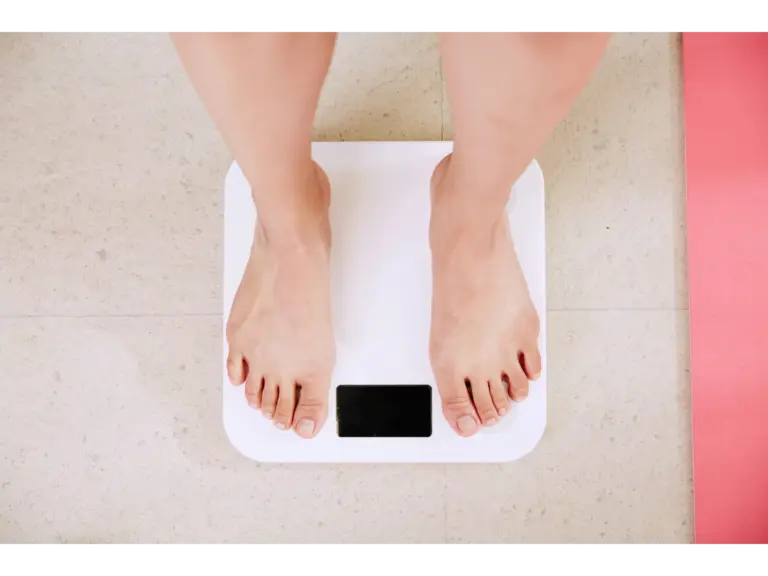
Weight is a traditional indicator of a balanced lifestyle and good health. It promotes joint function and metabolism and lowers the risk of chronic illness. A healthy body keeps you at the right weight for your age and height. You are not overweight, obese, or underweight, which often leads to inadequacies and disorders that create space in the body and invite illness.
Keeping a healthy weight goes beyond the scale; it involves monitoring key parameters like body fat percentage, waist-to-hip ratio, body mass index, and muscle mass. Typical indicators are a BMI between 18.5 and 24.9, a body fat percentage of 10%-20% for men and 18-28% for women, and a waist circumference of 94 cm for men and 80 cm for women.
Helpful Weight Tip
- Cut down on processed foods and eat whole meals
- Eat mindfully and control portion intake
- Mix aerobic activity and strength training
- Practice weekly weight checks
Healthy Hair and Scalp
Like skin, a person’s inner health can show in their hair, serving as a gauge for general health. Strong, shiny hair is a sign of nourishment and excellent scalp health. A comfy scalp devoid of flakes, redness, or itching indicates the skin barriers and follicles are working properly. Healthy hairs have a constant diameter (0.03 mm to 0.1 mm), thickness (50–70 µm for fine, 70–90 µm for medium, and 90–120+ µm for coarse hairs), natural sheen, and low breakage (50-100 hairs daily). On the other hand, brittle hair, split ends, dandruff recurrence, thin, branching, and dry or overly greasy hair might signal a variety of health issues or bodily deficiencies.
Helpful Tip for Healthy Hair
- Take dietary supplements like vitamins B and D if lacking
- Avoid coarse chemicals and heat styling
- Massage the scalp to increase blood flow
- For healthy hair follicles, eat protein-rich foods like beans and eggs
Clear Vision
Clear, normal-looking eyes are one sign of good health, with no visible redness, yellowish discoloration, or any indication of dark under-eye circles, and the skin surrounding the eyes stays flawless. A healthy person’s eyes are sharp, stable at different distances, the retina is in good health, and the pupils do not exhibit dilatation or constriction and maintain their typical size. Both the number of blinks and eye movements are normal.
Helpful Tips For the Eyes
- Regular comprehensive eye test, preferably every one to two years
- Take screen time breaks
- Practice UV protection techniques
- Healthy eating preserves your vision. Seafoods high in omega-3 fatty acids are great picks.
Disease-Free Body
The absence of illness is ultimately one of the crucial traits of a healthy person. Given that sickness and health are in opposition to one another, the body cannot be considered healthy at the sight of mild illness. The existence of no symptoms of any ailments, even the most minor ones, is what qualifies a person to be called physically healthy.
Right Posture
Correct posture is another visible trait of a healthy person, with the spine’s location playing a major role. The posture of a healthy person maintains the three natural curves (neck, middle back, and lower back) and does not increase them. Head higher than shoulders, shoulder tops above hips, shoulders and heels should be aligned and be able to walk with easy strides.
Living a Physically Healthy Lifestyle
Recognizing the traits of a physically healthy person enables you to take action. You preserve your health and lead a healthy lifestyle rather than waiting until you’re unwell or informed to address health issues. Illnesses are inevitable, but we should build resilience to prepare the body to handle them. Among the efforts included are
- Consistently eating a balanced, nutritious diet
- Practicing effective stress management techniques
- Screening for illnesses for people with higher-than-average risk
- Engaging in a minimum of 75 minutes of high-intensity activity or 150 minutes of moderate-intensity exercise weekly.
Adopt one or two habits at a time while you start small; monitor developments, acknowledge successes, and use support when necessary. Make those routines part of your daily life, and see a jump in vitality.
Disclaimer: This article is intended for informational purposes only and does not constitute medical advice, diagnosis, or treatment. Always consult with a qualified healthcare provider regarding any questions or concerns you may have about your health or a medical condition. Never disregard professional medical advice or delay seeking it because of something you’ve read here.
