
Stop Feeling Low This November | Volunteering Might Be the 1 Mental Health Boost You Need

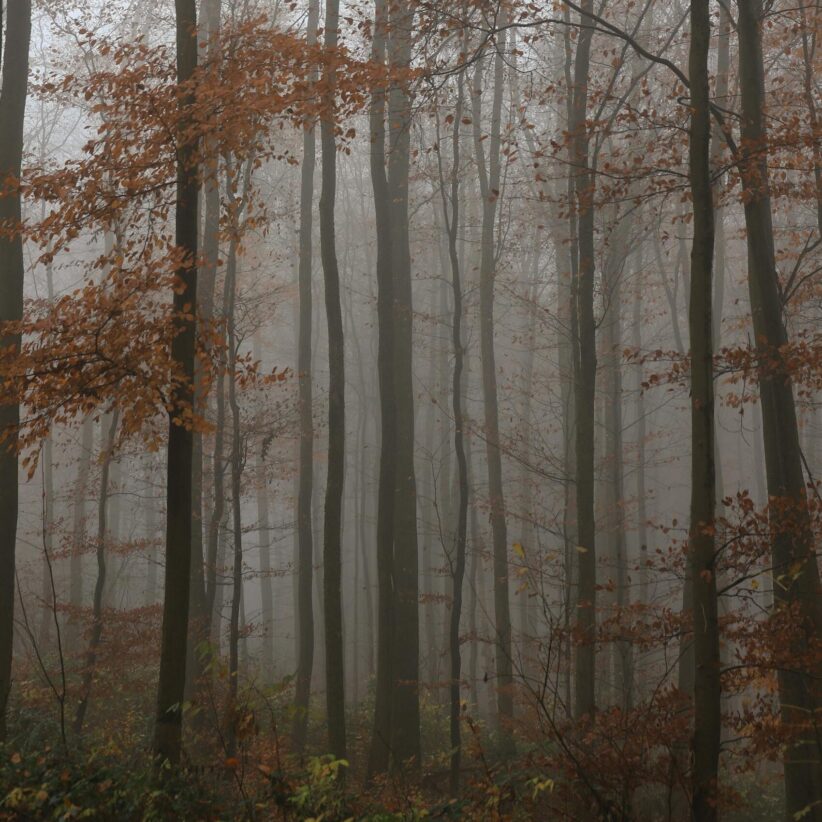
November can be a strange month for the heart. The light fades early. The holidays loom large. For some, it’s a time of gathering and gratitude. For others, it’s a season of quiet ache—of missing people, of feeling behind, of wondering how to show up in good mental health when the world feels heavy.
Volunteering is a kind of medicine that doesn’t come in a bottle. It comes in the form of showing up for someone else. Of saying, “I’m here,” even when you don’t feel like you have much to give.
And in November, it’s especially potent.
Why November Is the Perfect Time to Give (and Receive)
This month is full of emotional weather. Gratitude and grief often sit side by side. The pressure to be cheerful can feel like a weight. And for those navigating loneliness, loss, or burnout, the season can feel isolating.
Volunteering offers a way through. Not around, not above—but through.
It’s no coincidence that Giving Tuesday lands right after Thanksgiving. It’s a reminder that generosity isn’t just about money—it’s about time, presence, and care. And when you give those things, something shifts. You remember that you’re part of something larger. That your presence matters.
How Volunteering Supports Mental Health
Volunteering isn’t just good for the world—it’s good for your nervous system. Here’s how:
It reconnects you. When you volunteer, you step out of your own spiral and into someone else’s story. Whether you’re handing out meals, writing cards, or walking shelter dogs, you’re reminded that you’re not alone. That connection—however small—can be a lifeline.
It gives you purpose. When the days blur together or the holidays feel hollow, volunteering offers structure. A reason to get dressed. A place to be. A task that matters. That sense of usefulness can be deeply stabilizing.
It boosts your mood. Helping others activates reward centers in the brain. You feel good because you did something good. And that glow can last longer than you think.
It softens the edges. Volunteering doesn’t erase your own pain. But it can shift your perspective. It reminds you that even in hard seasons, you still have something to offer. That you’re not broken—you’re generous.
It builds resilience. Studies show that regular volunteering is linked to lower rates of depression, better cognitive function, and even longer life expectancy. But beyond the data, it just feels good to be part of something.
What If You’re Tired, Grieving, or Not in the Mood?
That’s okay. Volunteering doesn’t have to be big or performative. It can be quiet. It can be once. It can be from home.
- Write letters to seniors or veterans.
- Bake something for a neighbor.
- Help a local org with social media or admin work.
- Offer to babysit for a friend who’s overwhelmed.
- Pick up trash on your walk.
- Donate gently used coats or blankets.
These small acts count. They ripple. And they often lead to more connection than you expect.
Volunteering as a Family Ritual
If you’re parenting, November is a beautiful time to introduce service as a family rhythm. Kids absorb what we model. When they see you show up with kindness, they learn that giving is part of being human—not just something we do when we have “extra.”
Make it cozy. Make it fun. Let them help choose the cause. Let it be imperfect. The point isn’t to be noble—it’s to be present.
Final Thought
Volunteering in November isn’t about fixing everything. It’s about remembering that you’re not powerless. That even in a season of grief or overwhelm, you can still offer warmth, time, and care.
And in doing so, you just might find a little of that warmth returning to you.
So if you’re feeling low, lonely, or unsure how to move through this month, start small. Start local. Start with one act of kindness. The rest will follow.
