
Does The Cold Plunging Trend Really Help Anxiety

The wellness practice of cold plunging has become extremely popular because people believe it delivers refreshing benefits to their mind and body. The most popular advantage of this practice is that people believe it helps them reduce anxiety. The body reacts to immersion in icy water with an initial shock, which activates physiological processes that increase alertness and blood flow. The release of neurotransmitters such as dopamine and norepinephrine enables you to experience a state of calm and focus while feeling completely refreshed.
Cold plunging helps people with stress-related issues recover by showing them how their bodies safely respond to stress, which helps them build resilience for real-life situations.
Cold Plunging & Anxiety
The practice works as an organic mood stabilizer, which decreases both rapid thinking and physical restlessness while teaching people to stay present through its demanding nature. The scientific community has not concluded cold plunging yet, but many people who practice it report that it effectively reduces their depression. The practice functions as a physical ritual and a mental training activity that helps users achieve balance and mental clarity while developing their emotional strength.
Nervous System Reset
The cold water plunge is something that causes instant shock in people, and this influences them physically. Cold water causes the body to stimulate its sympathetic nervous system, which releases adrenaline, and the individual is hyper alert to their immediate environment. The body requires some primary time to be adjusted to such an overwhelming experience, and it finally achieves a state of deep relaxation. Mindfulness and controlled breathing benefits gained by the nervous system through the reset, which returns it to its normal state, are helpful in establishing the mental focus of people who experience anxiety.
Neurotransmitter Boost
Cold plunging creates an interesting effect that changes the brain’s chemical composition. Cold water immersion activates the body to produce neurotransmitters such as dopamine and norepinephrine, which result in better emotional control and improved focus and happiness. The chemical boost creates a natural lift for anxious people, which decreases their restlessness and worry symptoms while improving their ability to think clearly.
Resilience
The process of building resilience through cold plunging requires more than physical strength because it operates as a method to develop mental toughness. The practice of controlled discomfort exposure teaches your body and mind which stress should be handled through improved handling techniques. People who develop this resilience during training exercises will experience better stress management skills that enable them to handle anxious situations with increased confidence and relaxation.
Recovery Benefits
The process of cold plunging indirectly helps reduce anxiety because it leads to better sleep results. The majority of practitioners experience more profound sleep that brings better rest from their regular plunges because their bodies achieve lower cortisol levels and their nervous systems become balanced. The restorative effects of sleep bring substantial benefits to mental health because people with sleep disorders experience more severe depression.
Ritual and Community
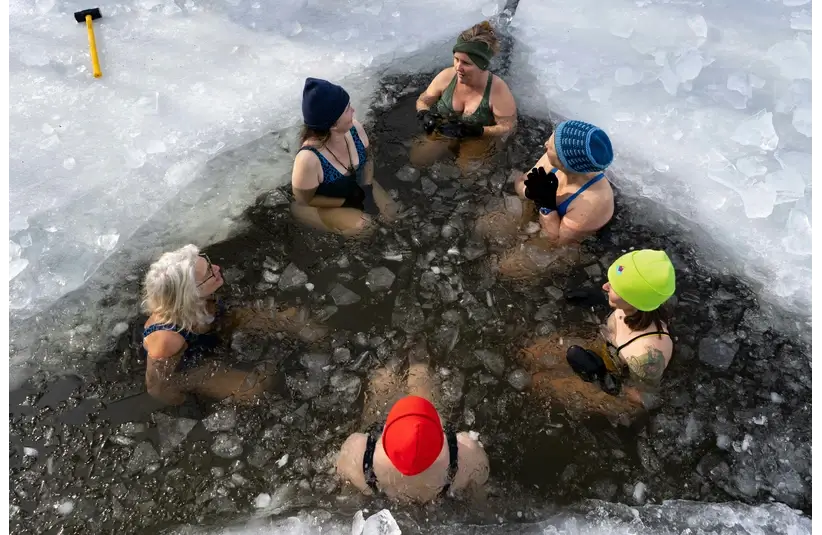
Cold plunging does not just benefit its practitioners in physical terms since it is their sacred ritual and social event. The achievement of plunging into the water is the power the person who accomplished it gains, and group plunges are the ones that form strong bonds between the participants as they offer help to each other. The social and psychological factors contribute to reduced anxiety levels since they include the feeling of belonging, promote mindfulness, and create an optimistic mental state.
The natural stress-response system of the body relates cold plunging to anxiety. When you get into cold water, the body tries to get in touch with the existing cold water. There is a shock that occurs, and later on your nervous system gets used to it, and this is what makes you get deep into physical and mental relaxation. The very practice builds mental power by training the mind to stay focused when uncomfortable, and neurotransmitters like dopamine and norepinephrine also cause a good emotional state and concentration. This resilience is developed to enable individuals to manage their emotions and reduce the level of anxiety in their day-to-day undertakings.
Cold plunging offers physiological benefits to the body and indirect ones, as it allows people to manage their anxiety by getting better sleep and empowering them by facing painful experiences. The social component of the activity also makes people less anxious since they are able to share the experience with their friends or join wellness organizations, which provides another support system.