Breaking Bad or Better Call Saul? An Honest Review

Let’s be real—Breaking Bad set the gold standard for prestige TV. But its prequel, Better Call Saul, managed to carve out its own legacy over six slow-burning seasons. The question is: does it stand tall on its own, or does it owe too much to the original? In this honest review, we’re comparing both shows to figure out which one truly deserves the top spot—and whether the latter can ever fully escaped Walter White’s shadow.
Summary

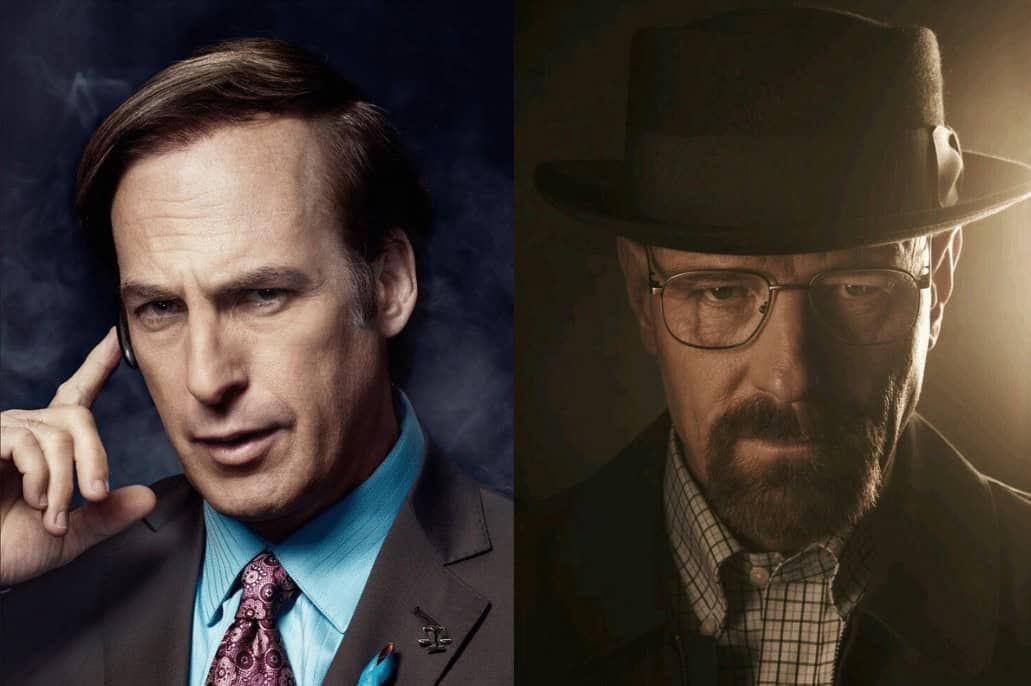
Breaking Bad starts with a now-legendary setup: a high school chemistry teacher named Walter White (Bryan Cranston) finds out he has terminal cancer and decides to cook meth to provide for his family. What begins as a desperate move quickly spirals into something way darker. Over five seasons (2008–2013), the show charts his transformation into one of TV’s most iconic antiheroes—and trust me, it gets wild. It’s intense, tightly written, and packed with unforgettable moments.
Then there’s Better Call Saul. Instead of jumping straight into the chaos, it zooms in on Jimmy McGill (Bob Odenkirk) —before he becomes Saul Goodman. He’s a scrappy, well-meaning lawyer trying (and often failing) to do the right thing. The series aired from 2015 to 2022 and moves at a slower pace, focusing more on character depth than high-stakes action. It’s less about explosions and more about emotional unraveling—and it’s quietly devastating in its own way.
Both shows share creators, characters, and the Albuquerque setting, but the vibe is totally different. Breaking Bad hits hard and fast. Better Call Saul takes its time—but when it lands, it really lands.
Analysis
Both Breaking Bad and Better Call Saul are masterclasses in storytelling, but they operate on very different wavelengths. One grabs you by the throat from the jump, while the other quietly builds tension until you’re in too deep to walk away. Let’s get into the details.
Pros of Breaking Bad
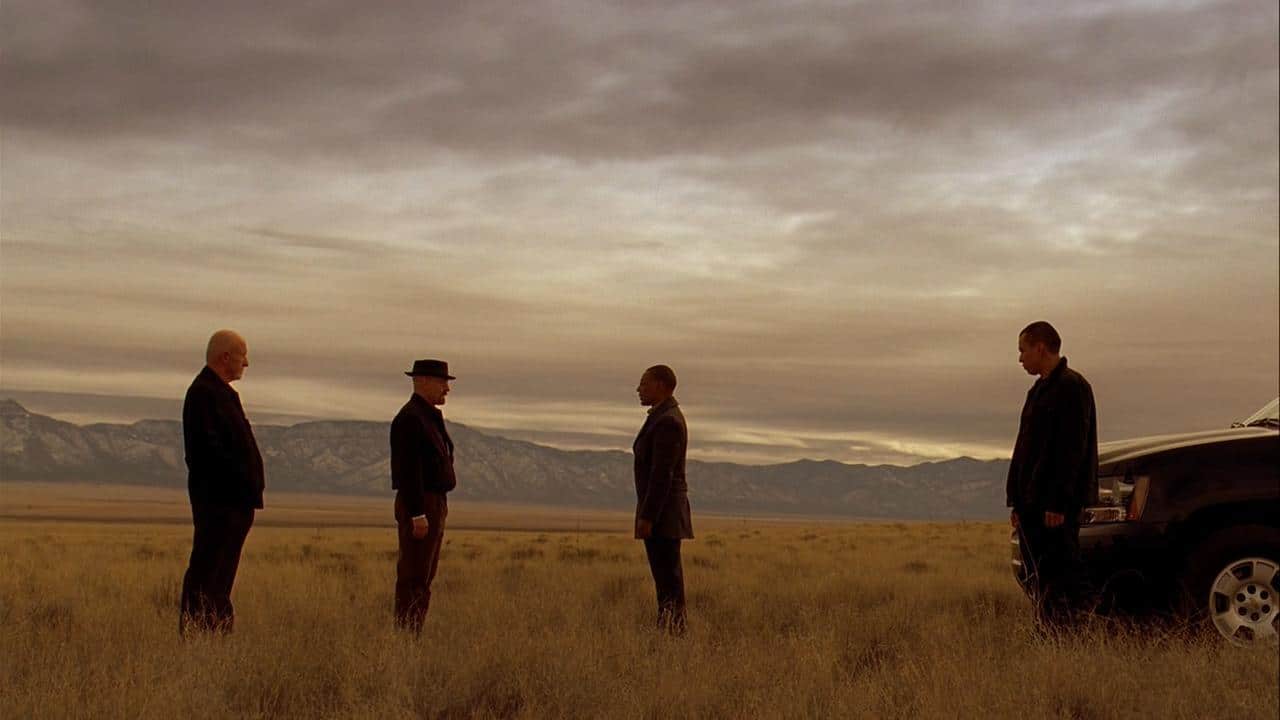
The biggest win for Breaking Bad is how tightly it’s written. Especially from Season 3 onward, there’s almost no fat. Every moment, every line, every silence serves a purpose. The show isn’t afraid to raise the stakes fast and often, but it never feels chaotic. It’s a masterclass in escalation. You start with a man selling meth out of desperation—and somehow end up in a world of drug cartels, explosions, betrayals, and moral collapse. And it all feels earned.
Culturally, it hit like a meteor. It’s one of the most talked-about, memed, and analyzed shows of the last two decades. People still debate Walt’s choices, Jesse’s redemption arc, and that final episode. Breaking Bad wasn’t just popular—it rewired how we think about antihero storytelling on TV.
Walter White’s character arc is the kind of thing actors dream about. Watching Bryan Cranston evolve from a sad, coughing everyman to an unflinching criminal mastermind is something else. And when the show hits its high points—“Ozymandias,” “Face Off,” “Felina”—it’s pure TV magic. These episodes didn’t just raise the bar, they became the bar.
Cons of Breaking Bad

That said, there are cracks in the armor. The first season takes a minute to find its footing. Some of the early episodes can feel like a very different show—less refined, more hesitant. It gets better fast, but the ramp-up is real.
Also, not all characters get the love they deserve. Skyler White, for example, is a complex, well-acted character who’s often reduced to a plot obstacle or moral counterweight. Same goes for Marie and even Hank early on—they shine eventually, but it takes time.
And let’s not forget: Walt is hard to root for by the end. He’s manipulative, selfish, and downright cruel. That’s the point, obviously, but it can be emotionally draining to follow a lead who keeps doubling down on bad choices without a hint of remorse.
Pros of Better Call Saul
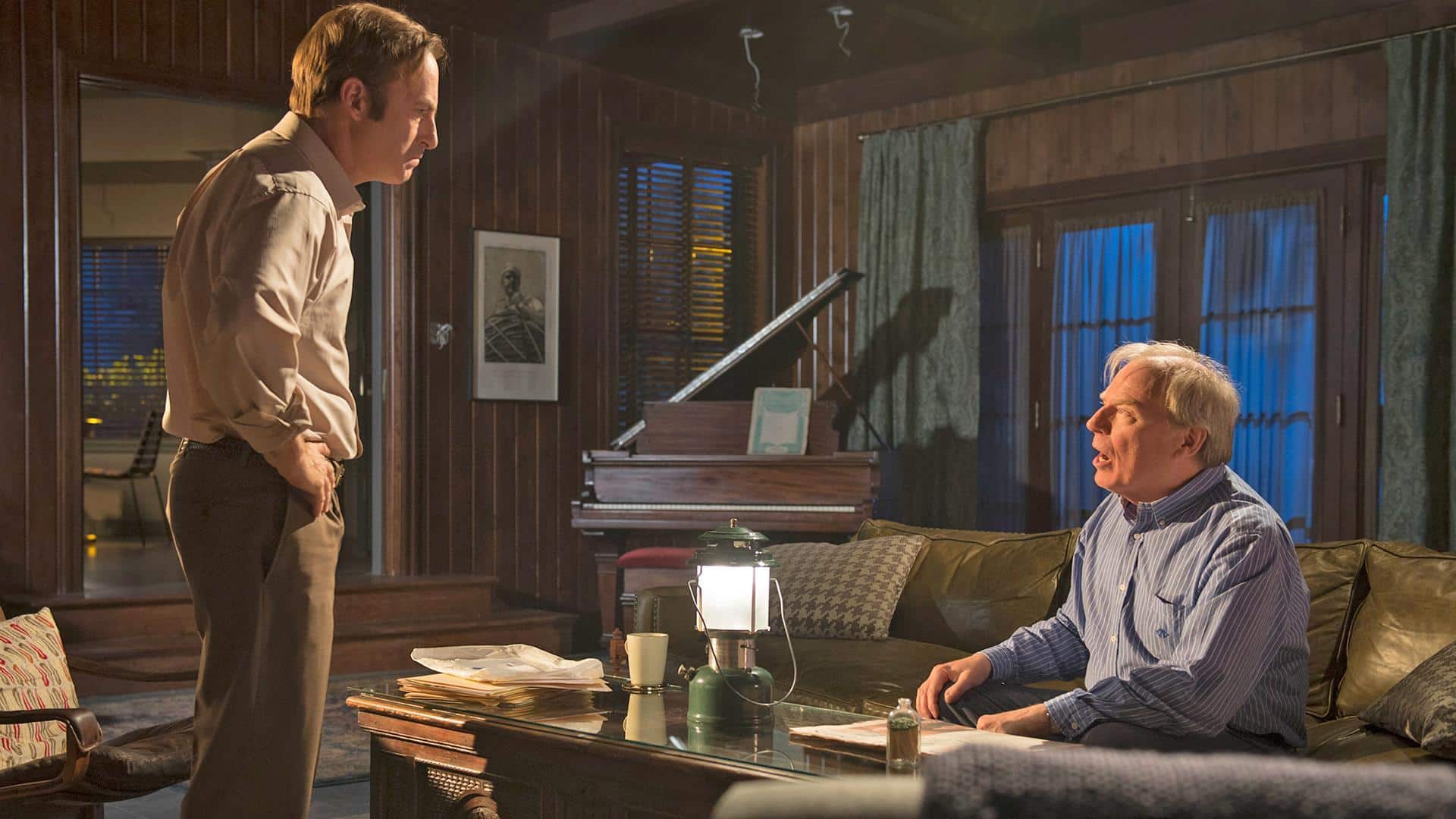
Now, flip the script. Better Call Saul is slower, smarter, and way more patient—but in a good way. It doesn’t aim for constant shock value. Instead, it builds tension through character work and quiet decisions that slowly snowball into catastrophe.
Bob Odenkirk brings real emotional depth to Jimmy McGill. He’s still got the fast-talking charm we loved in the former, but here we see the layers underneath—the insecurity, the moral conflict, the childhood wounds. And Rhea Seehorn as Kim Wexler? She’s a revelation. Kim starts as a supporting character and ends up being one of the most compelling, heartbreaking figures in the entire Breaking Bad universe.
The show also pulls off something rare: it makes familiar characters even more interesting. Mike Ehrmantraut’s backstory hits harder than expected. Gus Fring is more chilling with context. Even Chuck, Jimmy’s uptight brother, becomes a tragic figure you can’t quite love or hate. And through it all, the cinematography quietly stuns you. From desert wide shots to harsh office fluorescents, every frame feels intentional.
Cons of Better Call Saul
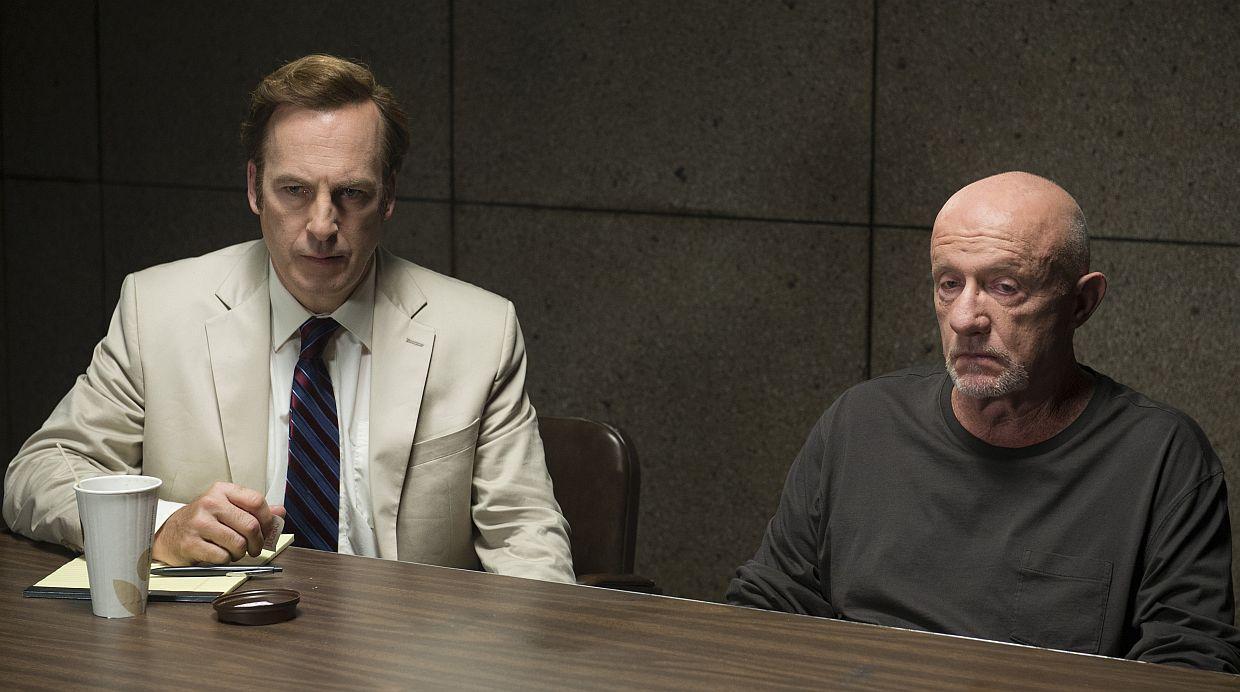
But yeah—it’s slow. Sometimes painfully so. There are stretches where it feels like nothing is happening, and unless you’re deeply invested in the characters, it can drag. The legal cases, while interesting, don’t always feel essential, and entire episodes can go by with only the slightest nudge forward.
The other issue? It leans heavily on Breaking Bad for its biggest emotional punches. When Jesse shows up, or Walt steps back into frame, the nostalgia hits hard—but it also reminds you that Saul exists in that show’s shadow. The final season ties the timelines together beautifully, but let’s be honest: it’s mostly satisfying because we’ve seen what comes next.
And for all its brilliance, Better Call Saul never reaches the same breakneck intensity or narrative payoff that Breaking Bad does. It’s the slow burn to Breaking Bad’s wildfire.
Specific Examples
Take “Bagman” (Season 5, Episode 8) as a prime example. It’s visually stunning, brutally tense, and easily one of the best hours of TV from either series. It proves that the latter can deliver big when it wants to. But it’s the exception, not the rule.
In the final season, the show finally catches up to—and then goes beyond—Breaking Bad‘s timeline. We see Gene Takavic, Jimmy’s post-Breaking Bad alias, spiraling in black and white. These moments are powerful, but they hit hardest when you’re already invested in the story from the original series. In a vacuum, they don’t carry the same weight.
Final Thoughts
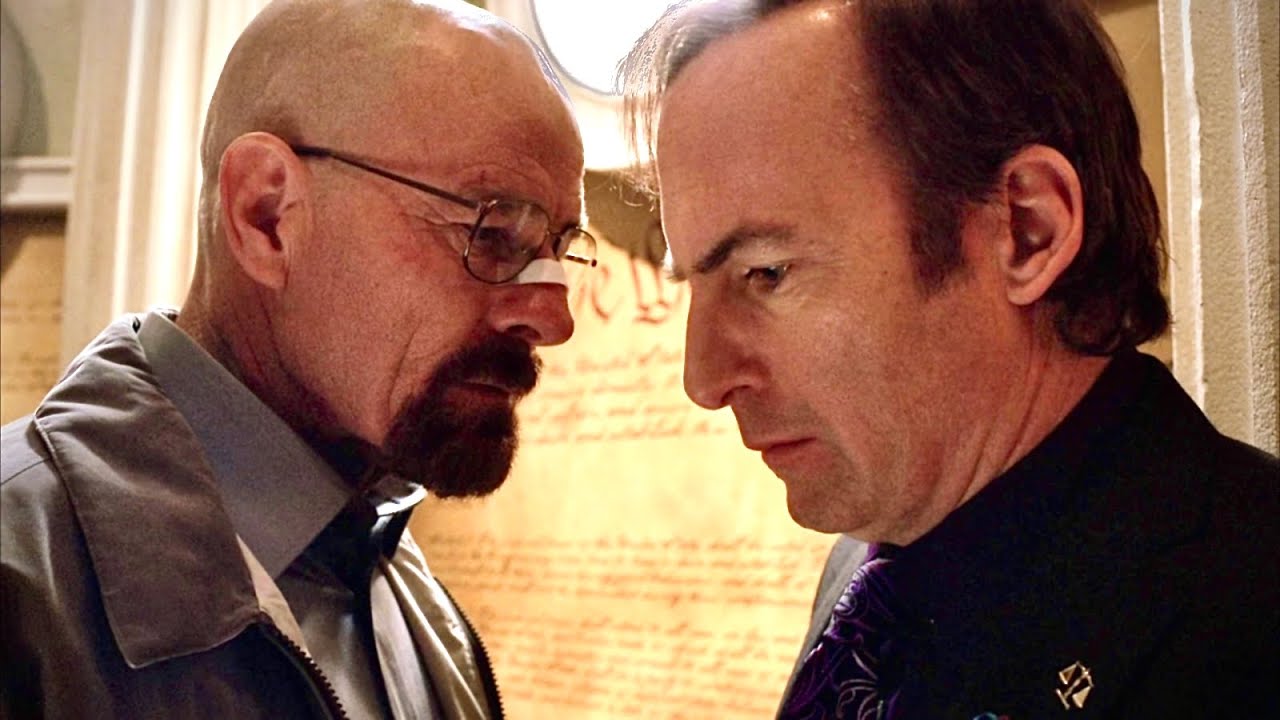
So, Breaking Bad or Better Call Saul? Honestly, it’s not an easy call—and that’s a credit to how strong both shows are. But if we’re being real, Breaking Bad still holds the crown. It’s sharper, more intense, and delivers some of the most unforgettable moments in TV history. From the writing to the pacing to the sheer cultural impact, it’s a juggernaut that earned its legendary status.
That said, the prequel deserves serious respect. It’s more introspective and emotionally layered, and in some ways, it tells a more grounded, human story. Jimmy McGill’s slow unraveling isn’t as explosive as Walt’s—but it’s just as tragic. The performances, especially from Bob Odenkirk and Rhea Seehorn, are top-tier, and the show does an incredible job expanding the Breaking Bad universe without feeling like a cash grab.
Still, it’s hard to ignore that the prequel works best when you’ve already seen the former. It’s a brilliant companion piece—but not quite a standalone masterpiece. If you’re new to both, start with the former. It’s the more accessible entry point and delivers a full, satisfying story from start to finish. Then, when you’re ready to dig deeper, Better Call Saul is waiting—and trust me, it hits even harder when you know what’s coming.
Verdict: The former wins out—but Better Call Saul is the rare prequel that doesn’t just hold its own, it enriches everything that came before.