10 Best Oscar Acceptance Speeches of All Time

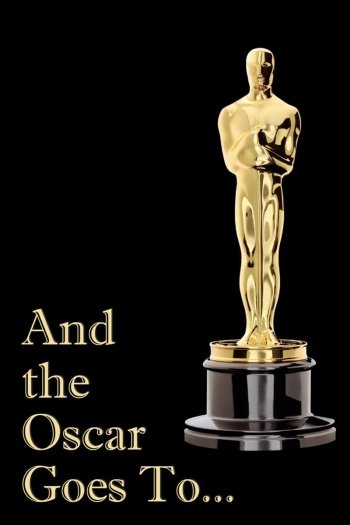
Sure, the Oscars are about gold statues and designer gowns. But sometimes—just sometimes—someone steps on that stage and says something real. Something raw. Something that cuts through the pageantry and pins you to your seat. These are the speeches that didn’t just thank the Academy—they made history, challenged power, cracked hearts wide open, or simply gave people a reason to believe again.
Hattie McDaniel (1940) – Gone with the Wind
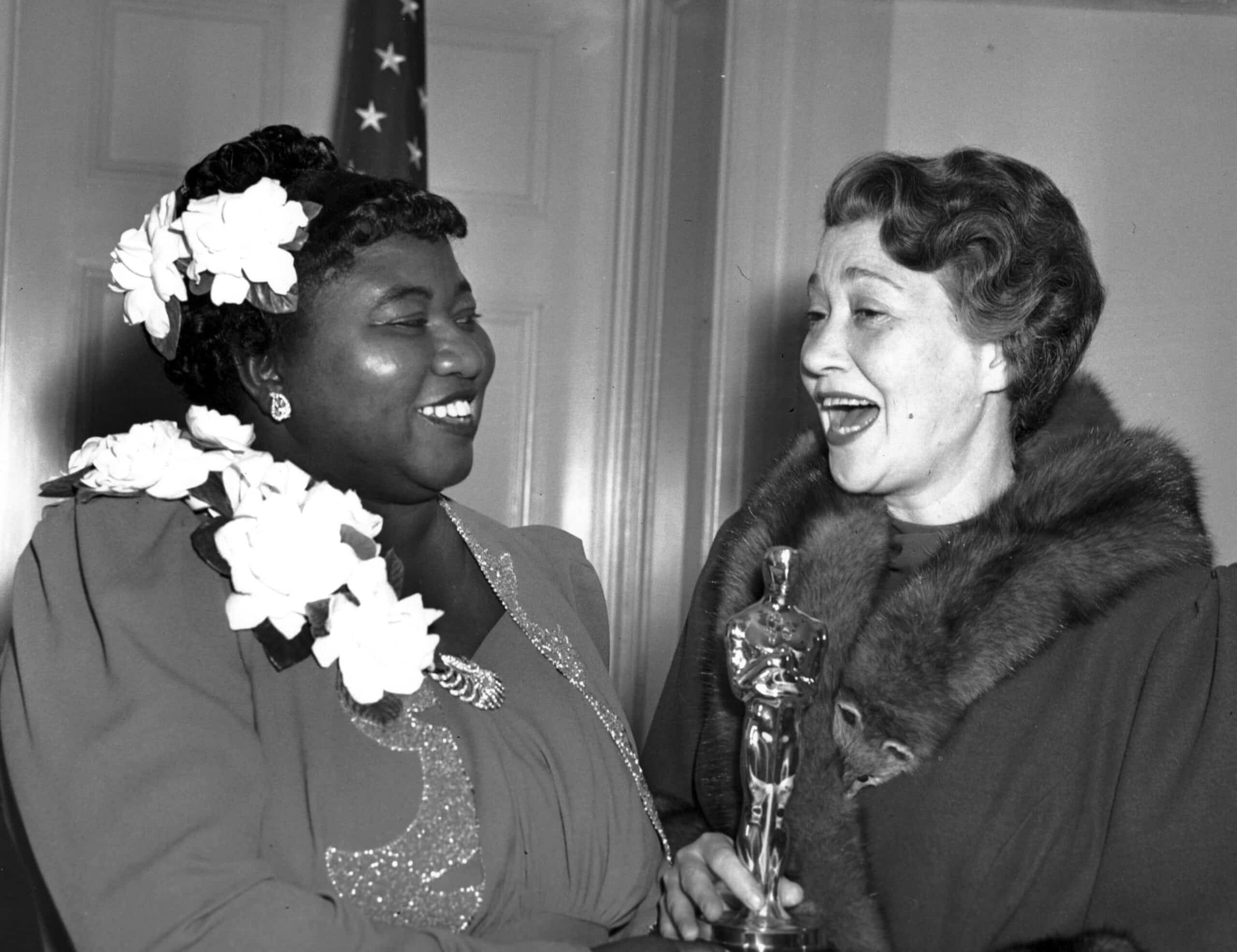
Hattie McDaniel became the first Black actor to win an Oscar—and gave her speech from a segregated table, in a room that wasn’t built for her.
“I sincerely hope I shall always be a credit to my race and to the motion picture industry,” she said, standing alone at a whites-only hotel.
It wasn’t just a victory. It was a quiet revolution, delivered with grace that masked generations of pain. The moment was dignified, devastating, and utterly unforgettable.
Charlie Chaplin (1972) – Honorary Oscar

After two decades in exile—blacklisted, erased—Charlie Chaplin came home. And Hollywood stood for him. Literally.
Twelve minutes. That’s how long the audience clapped, cheered, and cried. The longest ovation in Oscar history.
When he finally spoke, it was barely a whisper: “Words seem so futile, so feeble. I can only say thank you.”
No speechwriter could have scripted it better. The silence said everything.
Marlon Brando via Sacheen Littlefeather (1973) – The Godfather

Brando didn’t show up. Instead, he sent Sacheen Littlefeather—a 26-year-old activist in buckskin and braids—to decline his Oscar.
She stood there, poised but trembling, and told a stunned crowd: “He very regretfully cannot accept this very generous award…”
The boos came fast. So did the threats. Hollywood turned its back—but history didn’t. What once seemed radical now reads as righteous. Fifty years later, the Academy apologized. Too late, but not forgotten.
Louise Fletcher (1976) – One Flew Over the Cuckoo’s Nest
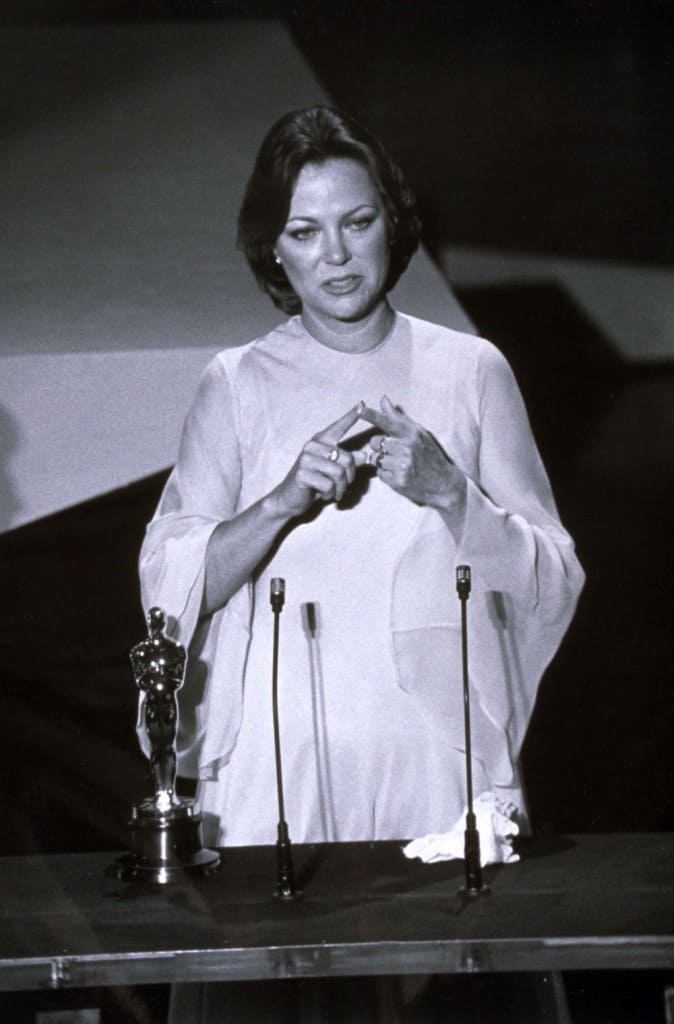
She played one of cinema’s coldest villains, but when Louise Fletcher won Best Actress, she gave one of the warmest, most intimate speeches the Oscars have ever seen.
After the usual thank-yous, she turned to the camera and signed: “To my mother and my father, I want to say thank you for teaching me to have a dream.”
No music. No words. Just stunned silence—then thunderous applause. A love letter in American Sign Language, broadcast to millions.
Sally Field (1985) – Places in the Heart
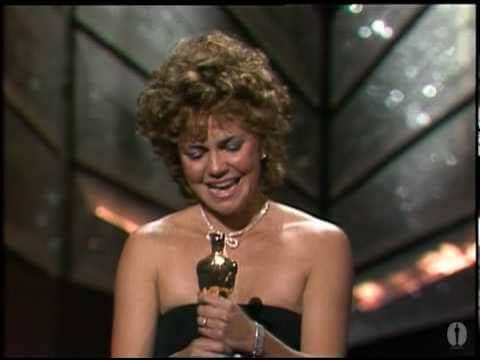
It’s the line that got misquoted for decades: “You like me. Right now, you like me!”
But under the meme, there was real hunger. Sally Field wasn’t just basking—she was baring her soul.
“I haven’t had an orthodox career,” she said, breathless, “and I’ve wanted more than anything to have your respect.”
It was messy, awkward, a little cringe—and completely real. In an industry that runs on rejection, she cracked the mask wide open.
Tom Hanks (1994) – Philadelphia
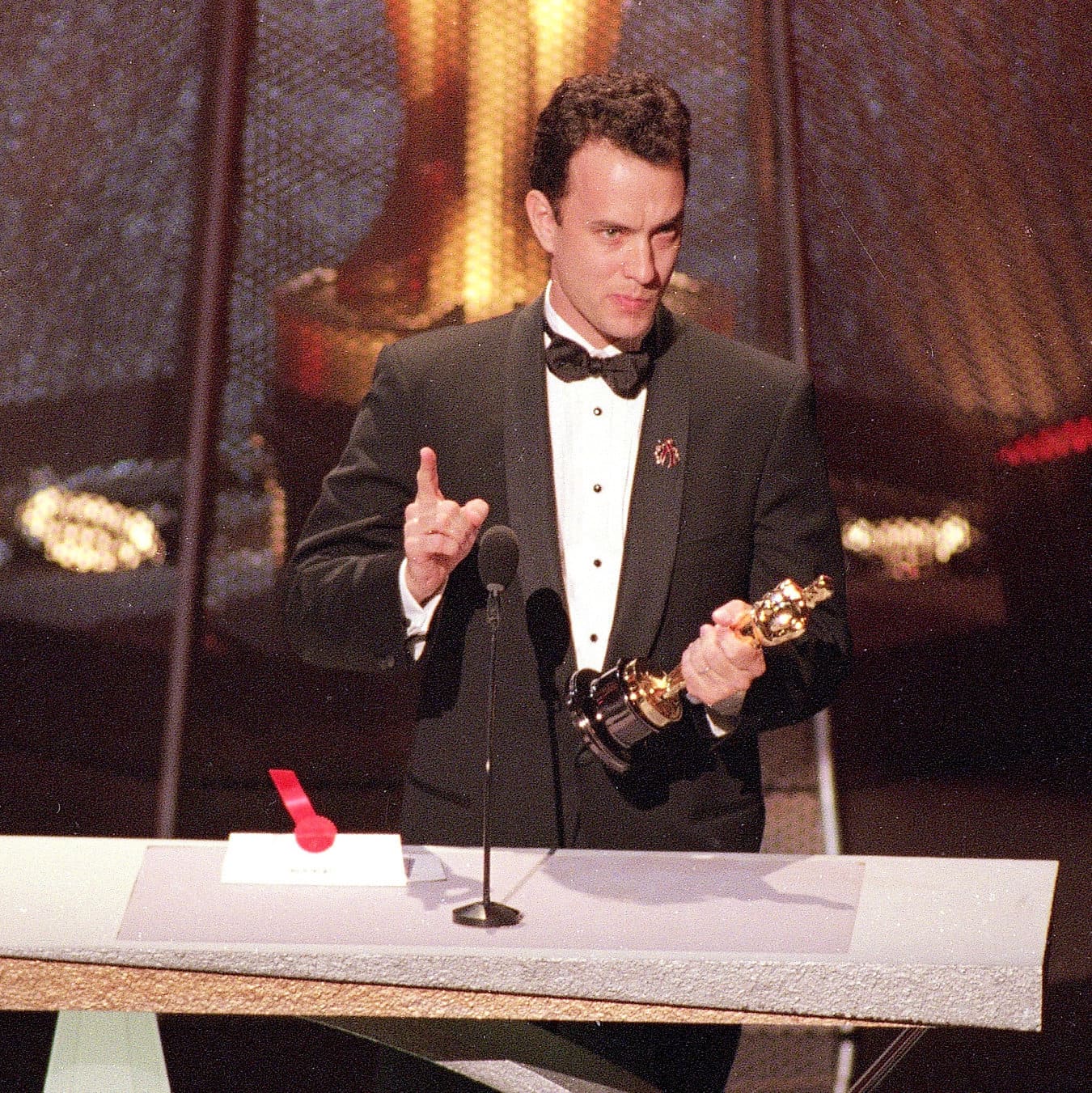
Tom Hanks didn’t just win for Philadelphia—he used the moment to shine a light into the darkest corners of the AIDS crisis, naming two openly gay mentors in his life.
“I would not be standing here if it weren’t for two very important men… Mr. Rawley Farnsworth and Mr. John Gilkerson.”
He named them. Honored them. Loved them—publicly, unapologetically, at a time when being associated with AIDS still sparked fear and stigma. It was more than a tribute. It was a reckoning.
Robin Williams (1998) – Good Will Hunting
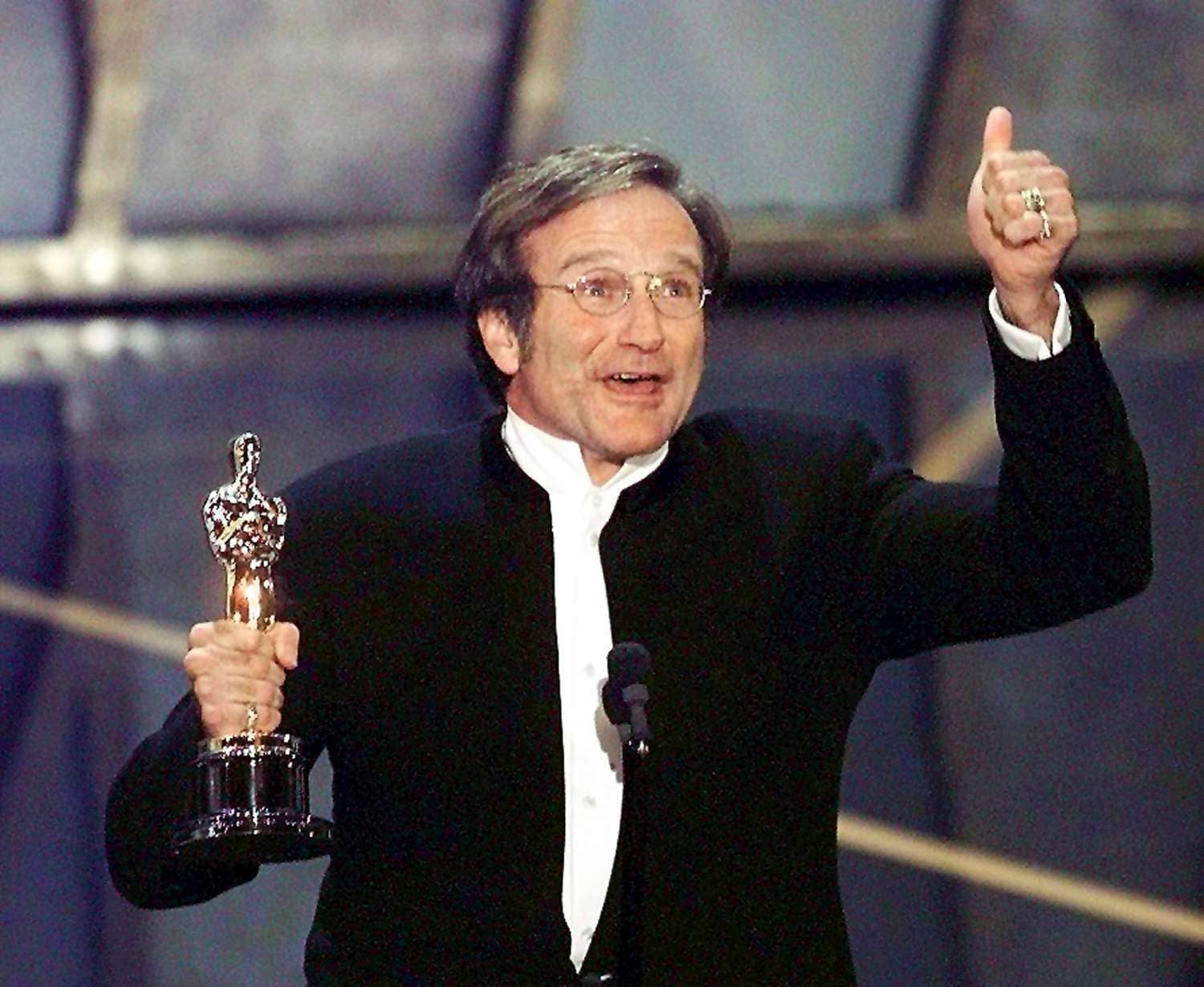
After decades of making the world laugh, Robin Williams finally won—and barely got through his speech.
“This might be the one time I’m speechless.”
He choked up, cracked a joke about his dad, and thanked his co-stars with the wide-eyed joy of a kid who still couldn’t believe he was invited to the party.
In hindsight, it feels even heavier. You can see the emotion just under the surface—the kind that made him not just a legend, but deeply human.
Halle Berry (2002) – Monster’s Ball
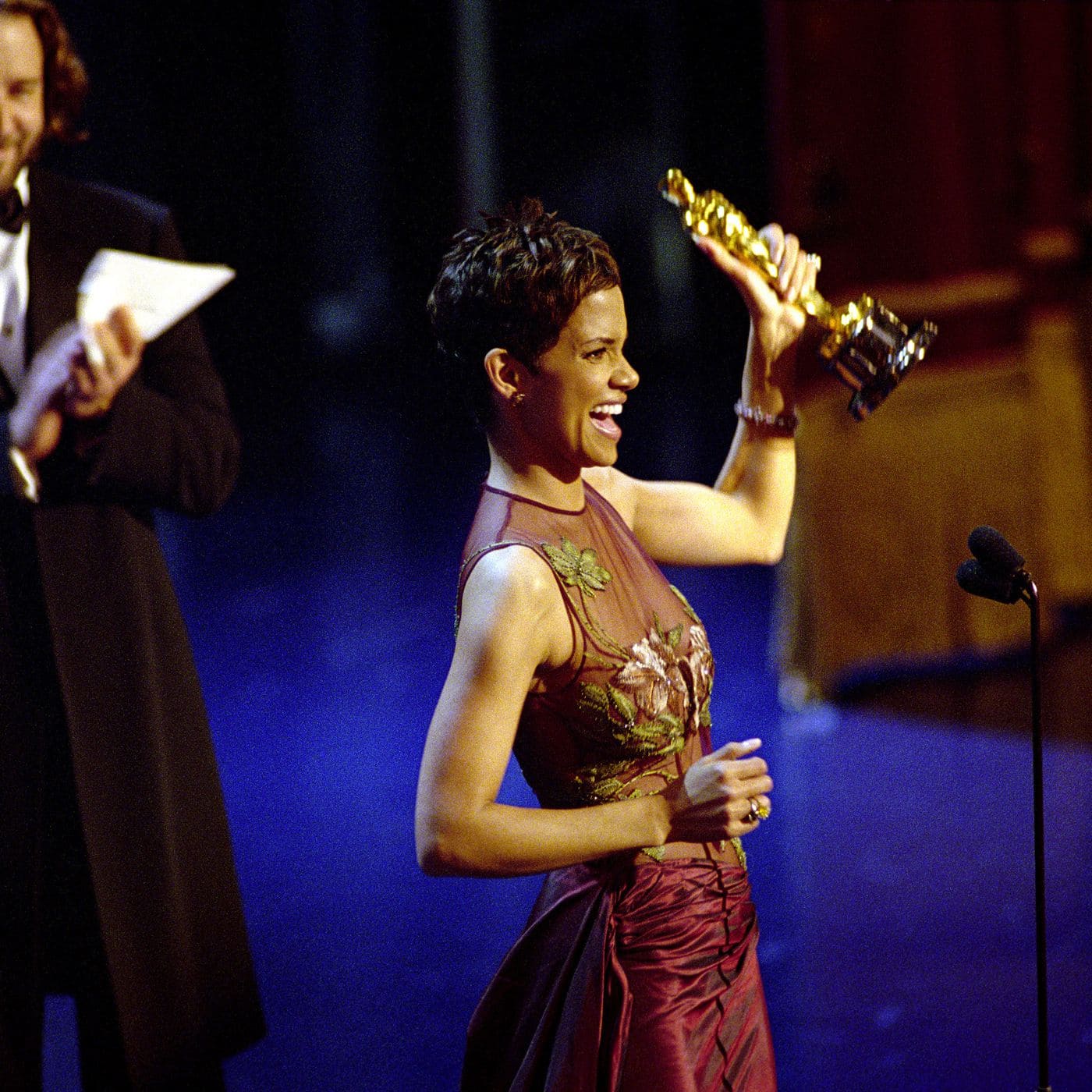
When Halle Berry won Best Actress, she didn’t just cry—she collapsed under the weight of it.
“This moment is so much bigger than me.”
The first Black woman to win in the category. The only one to this day. She wept for every woman of color who’d been told, again and again, that they didn’t belong here.
She said this was just the beginning. She was right.
Lupita Nyong’o (2014) – 12 Years a Slave
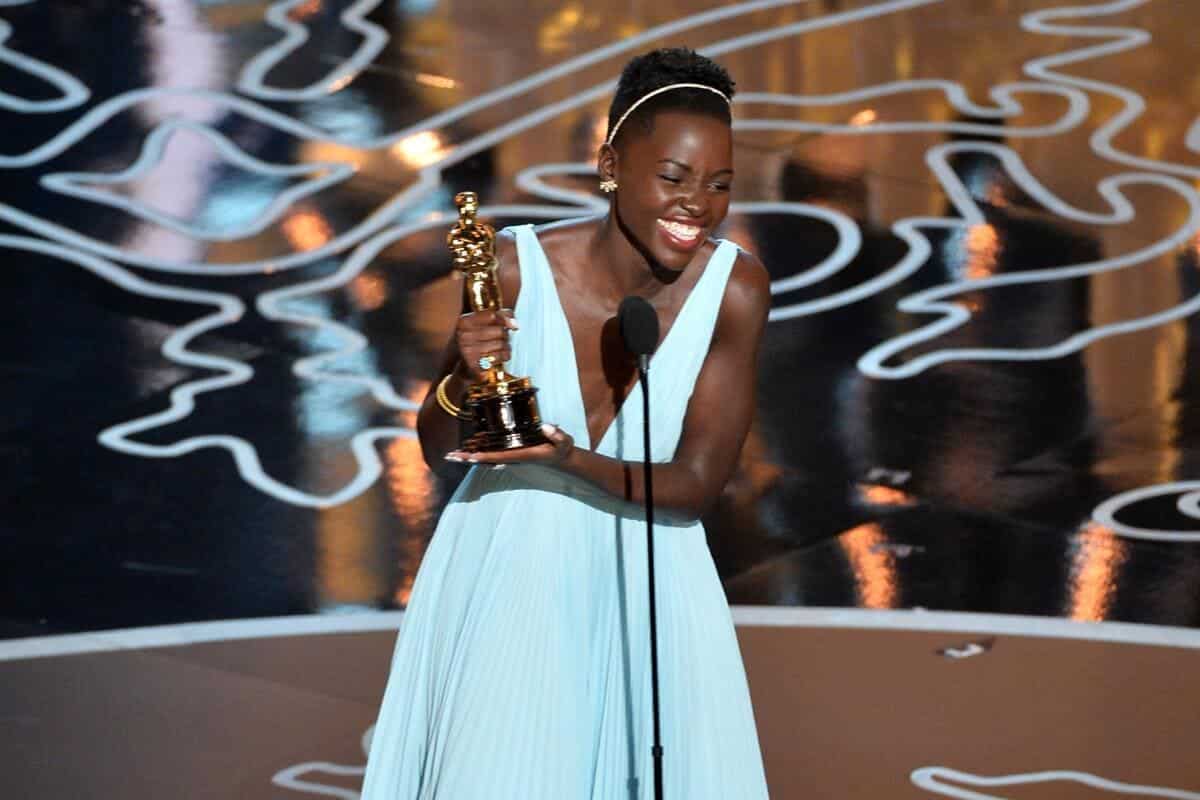
Lupita Nyong’o didn’t just arrive—she announced herself.
“It doesn’t escape me for one moment that so much joy in my life is due to so much pain in someone else’s.”
She balanced beauty and brutality with a single sentence. Then, she gave us one for the history books:
“No matter where you’re from, your dreams are valid.”
In a sea of diamonds and teleprompters, she brought truth—and left the room breathless.
Ke Huy Quan (2023) – Everything Everywhere All at Once
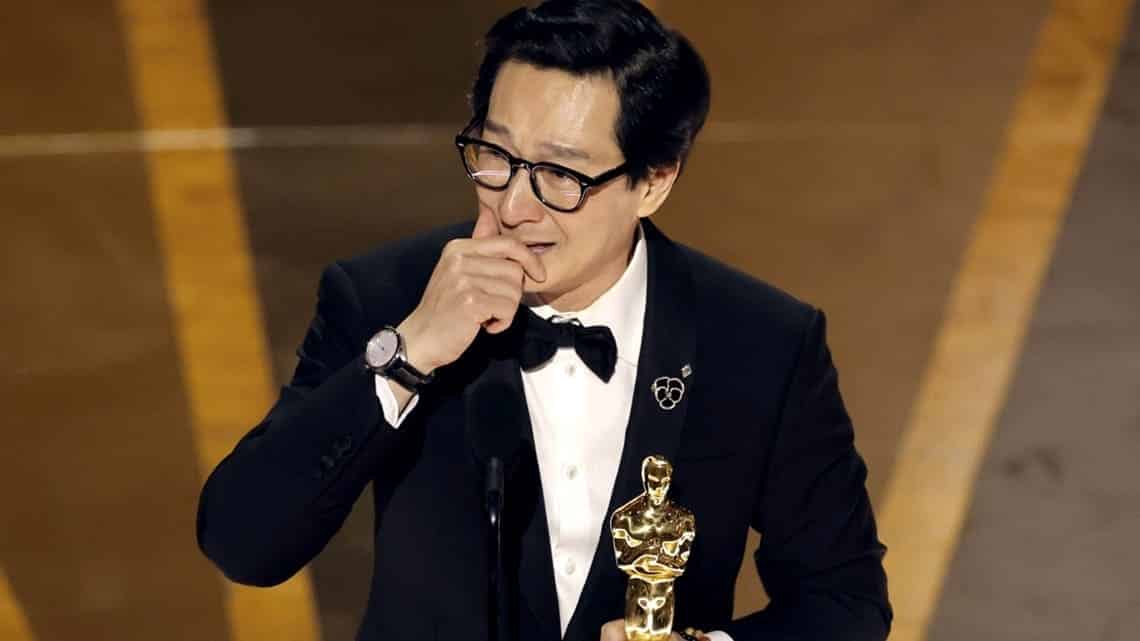
There’s joy, and then there’s Ke Huy Quan joy.
“Mom, I just won an Oscar!”
A child star, lost to time. A refugee told he’d never make it. A comeback so improbable that it felt like a movie. And yet, there he stood—sobbing, radiant, unstoppable.
“My journey started on a boat. I spent a year in a refugee camp. And somehow, I ended up here.”
It wasn’t just a win. It was a miracle. The kind that makes you believe in all of it again.
Why These Oscar Speeches Still Matter
The Oscars have always been about performance, but these speeches proved the power of authenticity. No scripts. No filters. Just real people, standing in front of the world, using their 45 seconds to do something bigger than win.
They made us cry. Made us think. Made us feel. And long after the gowns fade and the afterparties end, these moments are what we remember. Because in the middle of all the spectacle, someone told the truth—and we listened.