
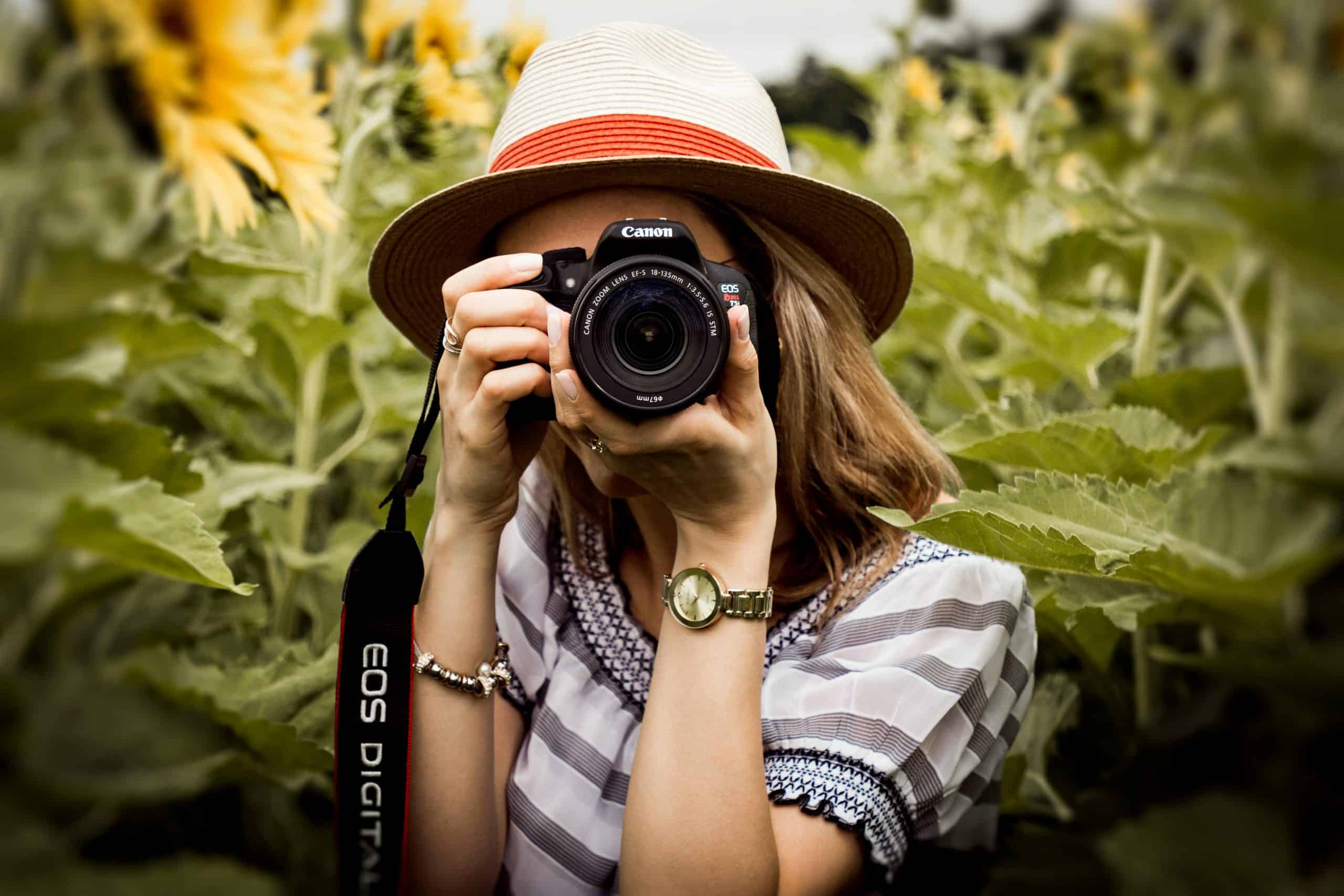
How to Capture Your Travels Like a Pro: Photography Tips for Beginners

Travel photography isn’t about pointing your phone at a landmark and calling it a day. Anyone can snap a sunset, but if you want to bring your travels to life—so that people can feel the place through your photos—you’ll need a few tricks up your sleeve.
I’ve hauled cameras through chaotic street markets, misty mountain passes, and even during downpours that made me question every decision I’d ever made. Along the way, I realized great photography has very little to do with expensive equipment and everything to do with how you see light, frame moments, and connect with your surroundings. Some of my favorite shots were taken with a camera that cost less than the dinner I had that night.
Let’s break it down into the essentials—skills and habits that will make your travel photography stand out, whether you’re working with a DSLR or just your phone.
Understanding the Basics of Photography
You don’t need to drown in technical jargon. At its core, photography comes down to three simple settings: aperture, shutter speed, and ISO. Think of them as the foundation of every shot.
-
Aperture controls depth of field. A wide aperture (say, f/2.8) blurs the background for dreamy portraits. A narrow one (f/8 or higher) keeps landscapes tack-sharp.
-
Shutter speed determines motion. Freeze a street dancer at 1/500th of a second, or slow it to 1/2 second to turn a waterfall into silky ribbons.
-
ISO measures light sensitivity. Low ISO keeps photos clean and crisp in daylight, while higher ISO helps you capture night scenes—just don’t push it so far that grain overwhelms the image.
Master these three, and suddenly you’re not guessing anymore—you’re creating.
Mastering Light for Stunning Travel Photography
Lighting makes or breaks a photograph. Tourists tend to shoot in harsh midday sun, but that’s when you get squinting faces and shadows that look like raccoon masks.
-
Golden hour is famous for a reason—those warm tones after sunrise and before sunset make everything glow.
-
But don’t dismiss cloudy days. Overcast skies give soft, even light that makes colors richer and eliminates unflattering shadows. Some of my best photos came from days when everyone else put their cameras away.
-
Work with what you have. Festivals often happen at noon, and markets are lit with flickering fluorescents. Instead of fighting imperfect light, use it—lean into shadows for drama or embrace the neon glow of street stalls to capture atmosphere.
Composition: Turning Ordinary Scenes Into Stories
You’ve probably heard of the rule of thirds—placing subjects along imaginary grid lines for balance. It works, but it’s just the beginning.
-
Leading lines: Roads, rivers, or even the curve of a shadow can guide the viewer’s eye deeper into your frame.
-
Framing: Shoot through archways, windows, or trees to add layers of context. It makes the viewer feel like they’ve stepped inside the moment.
-
Negative space: Don’t be afraid of emptiness. A single figure in a vast desert or a boat adrift on open water tells a story of scale and solitude.
Great photography isn’t just about what you include—it’s also about what you leave out.
Techniques That Elevate Your Shots
-
Manual focus: Autofocus often fails in low light or busy backgrounds. Switching to manual and zooming in on your LCD to nail sharpness gives you control.
-
Depth of field play: Shallow focus isolates subjects in a busy street scene, while deep focus lets landscapes unfold in layers. Each choice changes the mood entirely.
-
RAW files: If your camera allows it, shoot in RAW. It gives you the flexibility to fix shadows, highlights, and colors later without destroying image quality.
Once you’ve shot in RAW, editing becomes just as important as capturing. The Restless Beans offers fantastic travel photo editing tips that can take your images from good to unforgettable.
Capturing People, Landscapes, and Life in Motion
-
Street photography: Anticipation is key. Watch how people move through light and shadow. Position yourself and wait. Often the best shots happen just before or just after the “obvious” moment.
-
Landscapes on the go: You don’t always have time for tripods and elaborate setups while traveling. Focus on strong foreground elements—rocks, flowers, or street art—that draw viewers into the wider scene. Weather, even stormy skies, often adds more drama than a “perfect” blue sky ever could.
Common Mistakes Beginners Make
-
Obsessing over gear: A new camera won’t fix poor composition. Focus on skills first. Some of history’s best photography was shot on equipment that would feel outdated today.
-
Ignoring the background: That gorgeous portrait loses power if there’s a trash can behind your subject. Train yourself to scan the entire frame before pressing the shutter.
Building Your Own Photography Style
Every beginner imitates at first—it’s how you learn. But over time, experiment. Spend a week only shooting details. Try only black-and-white. Focus on dusk instead of midday. These exercises help uncover your unique eye.
At its heart, photography isn’t about perfect settings or expensive lenses—it’s about telling stories. It’s about that one candid smile in a crowded square, or the way light reflects off wet pavement after a storm. Those are the images that transport people.
So grab your camera—whatever it may be—and start experimenting. The world is full of fleeting moments waiting to be captured. Your future self will thank you for the stories you froze in time, not just the places you visited.