
Native American Museums and Cultural Centers That Break the Silence

There’s a difference between a museum that displays history and one that remembers it. In Oklahoma, Native American museums and cultural centers don’t just preserve—they speak. They correct. They invite you in, not as a tourist, but as someone who’s ready to listen.
These aren’t quiet halls with dusty plaques. They’re living spaces. They’re built by tribal nations, for their own people first—and for anyone else willing to unlearn what they thought they knew. If you grew up in or near Oklahoma, you probably heard the names: Chickasaw, Choctaw, Cherokee, Osage. Maybe you learned them in a classroom. Maybe you saw them on highway signs or casino billboards. But knowing the name of a tribe isn’t the same as knowing its story.
These Native American museums are where the stories live.
Oklahoma: Where the Land Still Knows Their Names
Oklahoma is home to 39 federally recognized tribes. That’s not a footnote—it’s a foundation. This land holds the weight of forced removals, broken treaties, and survival. But it also holds language, ceremony, and joy. And in towns across the state, tribal nations have built Native American museums and cultural centers that reflect all of it.
Let’s walk through a few.
Chickasaw Nation – Sulphur & Tishomingo
The Chickasaw Cultural Center in Sulphur isn’t just a museum—it’s a full experience. You can walk through a traditional village, hear the language spoken, watch stomp dances, and sit with stories that stretch back centuries. It’s one of the more immersive Native American museums, intentional, and deeply rooted in Chickasaw identity.
In Tishomingo, the Council House Museum preserves the original 1856 Chickasaw Capitol. It’s smaller, quieter, but no less powerful. The walls hold memory.
Choctaw Nation – Calera
The Choctaw Cultural Center in Calera is a place of pride. It’s modern, beautifully designed, and full of life. You’ll find exhibits on Choctaw migration, foodways, and family structure. There’s a living village outside, where fire is still made the old way. It’s not a reenactment—it’s a continuation.
Cherokee Nation – Tahlequah, Vinita, Park Hill
Tahlequah is the heart of the Cherokee Nation, and the Cherokee National History Museum sits right in the old Capitol building. It’s elegant and unflinching. You’ll learn about the Trail of Tears, yes—but also about Cherokee governance, resistance, and modern leadership.
In Vinita, the Anna Mitchell Cultural and Welcome Center honors a Cherokee matriarch and invites travelers to pause and learn. And in Park Hill, the Cherokee Heritage Center—currently being reimagined—has long been a hub for storytelling, genealogy, and cultural preservation.
Osage Nation – Pawhuska
The Osage Nation Museum is the oldest tribally owned museum in the country. It’s in Pawhuska, where the hills roll and the oil still whispers. The museum doesn’t shy away from hard truths—about wealth, exploitation, and resilience. It also celebrates Osage art, fashion, and the fierce beauty of a nation that never disappeared. If you could only pick one of the Native American museums to start your awareness journey, pick this one. Start here.
Other Native American Museums Across Oklahoma
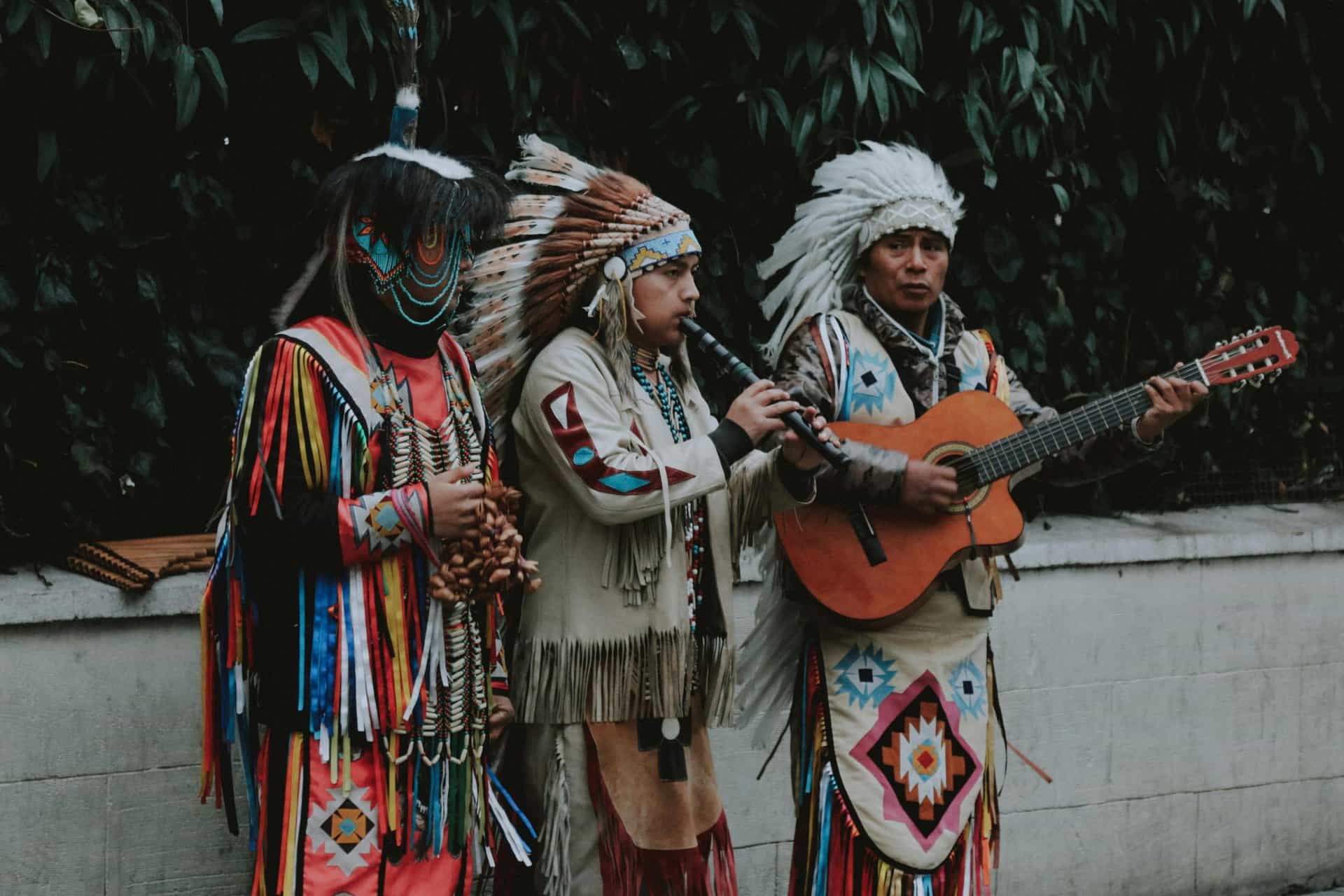
There’s more. So much more.
- Citizen Potawatomi Nation Cultural Heritage Center in Shawnee tells a story of migration, adaptation, and sovereignty.
- Comanche National Museum and Cultural Center in Lawton honors warriors, artists, and the strength of a people who’ve always known how to move.
- Seminole Nation Museum in Wewoka includes the legacy of Black Seminoles—an often-overlooked chapter in American history.
- Caddo Heritage Museum in Binger (currently closed) has long been a keeper of ceremonial knowledge and Caddo lifeways.
And these museums don’t exist in isolation. They often feature neighboring tribes, reflecting the shared histories and overlapping geographies of Indian Territory. You’ll see Muscogee (Creek) stories in Chickasaw exhibits. You’ll find Kiowa beadwork in Comanche galleries. Because the truth is: these nations were forced together—but they’ve built something enduring.
Beyond Oklahoma: Where Tribes Still Lead
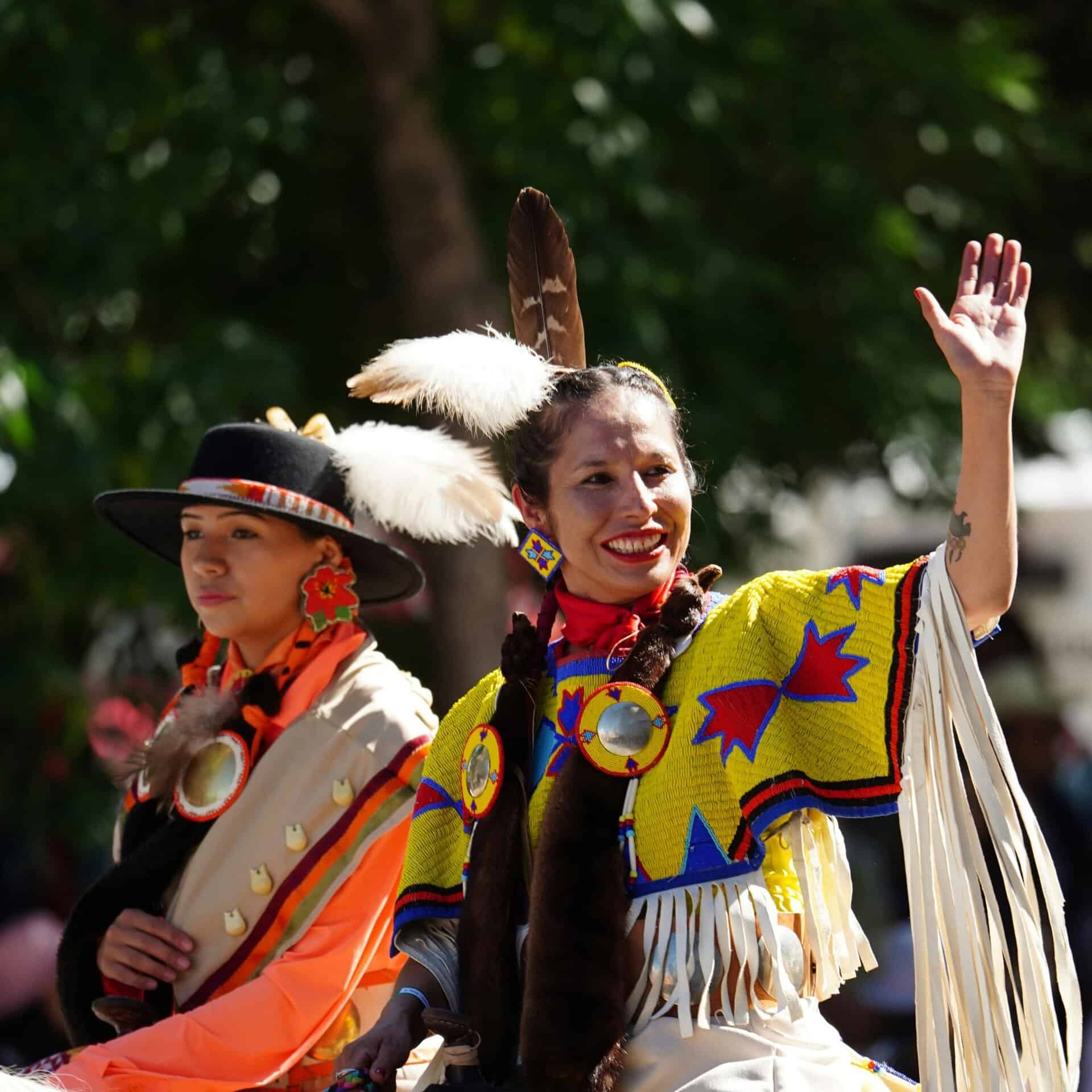
Oklahoma isn’t the only place where Native nations are telling their own stories. Across North America, tribal-led, Native American museums are reclaiming space and narrative.
- In Connecticut, the Mashantucket Pequot Museum is massive, immersive, and entirely tribally owned.
- In Minnesota, the Mille Lacs Indian Museum partners with the Ojibwe to share seasonal traditions and survival stories.
- In British Columbia and Alberta, First Nations museums focus on land, language, and the fight to protect both.
These aren’t state-funded. They’re governed by the people whose stories they hold. And that matters.
Final Thought
If you’ve ever driven past a museum and thought, “I should stop there someday,” this is your sign. These places aren’t just for tourists. They’re for anyone ready to listen. To unlearn. To honor.
In Oklahoma, the land still knows their names. The Native American museums do too. And they’re waiting for you—not to gawk, but to grow.