
Three-card tarot spread: 3 easy positions, essential tips

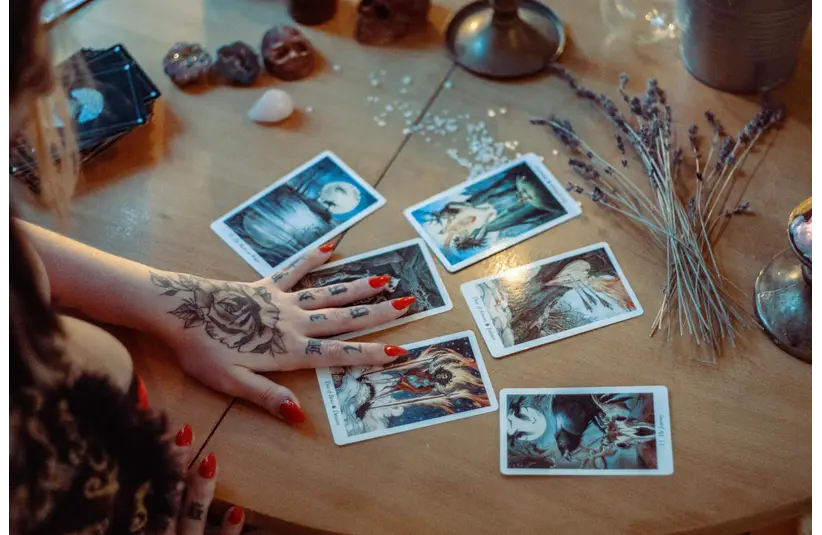
A three-card tarot spread is the simplest, most flexible layout in tarot: shuffle, pull three cards, lay them in a row and read them as a small story with a beginning, middle and end. It’s the spread most readers learn first because it’s quick to draw, easy to interpret and adaptable to almost any question.
What is the three-card tarot spread, and when should you use it?
The three-card tarot spread works well when you want a fast, focused answer without the depth (or overwhelm) of a full 10-card Celtic Cross. It’s ideal for daily check-ins, quick decision-making or when you’re new to tarot and still learning how cards “talk” to each other.
Because the three positions can be relabeled to fit almost any situation, this spread is genuinely one-size-fits-all. You can use it for:
- A daily or morning draw
- A yes-or-no-adjacent question that needs nuance
- A relationship check-in
- A career or creative decision
- Reflecting on a situation that already happened
How to lay out a three-card tarot spread
Start by shuffling your deck while holding your question in mind. Some readers say the question out loud; others simply focus on it. When you feel ready, cut the deck (or don’t — this is personal preference) and draw three cards from the top, or fan the deck and pull whichever cards you’re drawn to.
Lay the cards face down in a horizontal row, then flip them left to right in order. The position of each card gives it meaning, so the order you draw and place them matters more than which card is “first” in some cosmic sense — it’s simply the order you pulled them.
The three card positions
The classic and most common layout is Past-Present-Future, but this spread is easily adapted. Here’s the traditional version:
- Position 1 — Past: The background or foundation of the situation. What led you here, or what energy is still influencing things from behind the scenes.
- Position 2 — Present: Where things stand right now. This card often carries the most weight, since it reflects the current energy you’re working with.
- Position 3 — Future: A likely direction or outcome if current energy continues. In tarot tradition, this is read as a potential trajectory, not a fixed fate — your choices still shape what happens.
Alternate position sets
You can swap in any three-part framework that fits your question. Popular variations include:
- Situation-Action-Outcome: Great for decision-making questions.
- Mind-Body-Spirit: Useful for a wellness or self-reflection check-in.
- You-Them-The Relationship: A go-to for relationship questions.
- Strength-Weakness-Advice: Helpful when you want practical guidance rather than a timeline.
Decide which framework you’re using before you shuffle, so you interpret each card in the right context.
Example questions for a three-card tarot spread
This spread shines with open-ended questions that invite reflection rather than a strict yes or no. Some examples:
- “What do I need to know about my career path right now?”
- “What energy should I bring into this new project?”
- “What’s the current dynamic between me and this friend?”
- “What should I focus on this week?”
- “What led to this situation, and where might it be headed?”
Avoid overly narrow questions that demand a single fact (tarot is better at reflecting patterns and energy than confirming specific events).
How to read the cards together
The real skill in a three-card tarot spread isn’t memorizing individual meanings — it’s noticing how the three cards interact. Look for:
- Repeating suits or numbers: Three cards from the same suit can point to a theme (Cups for emotion, Swords for thought or conflict, Wands for action, Pentacles for practical matters).
- Major vs. Minor Arcana balance: Multiple Major Arcana cards suggest a significant, high-stakes moment. Mostly Minor Arcana suggests everyday, manageable circumstances.
- Visual direction: Some readers notice whether figures in the cards face toward or away from each other, reading this as connection or disconnection between positions.
- Overall arc: Read left to right like a short story — what’s the emotional shift from card one to card three?
The deck itself has a long history. Tarot cards first appeared in Italy in the 15th century as a card game and were later adopted for fortune-telling, according to Encyclopaedia Britannica.
Sample reading
Let’s say the question is: “What do I need to know about starting my new job next month?” using the Past-Present-Future layout.
- Past — The Eight of Wands: Traditionally associated with fast movement and things falling into place quickly. This suggests the opportunity arrived swiftly, perhaps faster than expected.
- Present — The Four of Pentacles: Often linked to caution, control or holding tightly to security. This may reflect current nerves about stability or a tendency to play it safe as the start date approaches.
- Future — The Sun: One of the most traditionally positive Major Arcana cards, associated with confidence, clarity and things going well.
Read together, this small story might suggest: things moved fast, you’re understandably a little guarded right now, and tradition associates the Sun with a bright, confident outcome if you can loosen your grip and let yourself enjoy the new chapter.
Tips for getting the most out of a three-card tarot spread
- Write your question down first. A clear question leads to a clearer reading.
- Keep a tarot journal. Recording your spreads and outcomes over time helps you learn how certain cards tend to show up for you personally.
- Don’t ignore reversals if you use them. A reversed card can soften, delay or turn inward the traditional meaning of that position.
- Trust your first instinct. Before consulting a guidebook, notice what you feel when you first see the cards — that gut reaction is part of the reading too.
- Reshuffle if it feels off. If a spread doesn’t resonate, it’s fine to reshuffle and try again, or revisit the question later with fresh eyes.
Frequently asked questions
Can beginners use the three-card tarot spread?
Yes — it’s widely considered the best starting spread because it’s simple to lay out and easy to interpret without needing to memorize a complex layout. Many experienced readers still use it regularly for quick, everyday questions.
Do the three cards have to mean past, present and future?
No. Past-present-future is the most traditional framework, but you can assign any three-part meaning to the positions, such as situation-action-outcome or mind-body-spirit, depending on what your question needs.
What if I pull three cards from the same suit?
In tarot tradition, repeated suits are often read as emphasis on a particular theme — Cups for emotions, Wands for action or passion, Swords for thoughts and communication and Pentacles for practical or material matters. It suggests that theme is central to your question right now.
Is the three-card tarot spread accurate for yes-or-no questions?
Tarot works best with open, reflective questions rather than strict yes-or-no ones, since the cards traditionally describe energy and patterns rather than confirm hard facts. If you want a yes-or-no feel, try framing your question around what action or mindset would serve you best instead.
Related
Astrology and tarot are shared for entertainment, reflection and personal insight.