

Lent Season Guide: Meaning, Rituals, and Modern Practice

Lent meanings, rituals, and modern practices vary widely across Christian traditions. This article will not only explain them, but will also give some practical advice on how to keep your Lenten promises. This season may seem hard to understand for non-Christians, but this guide will be helpful.
Lenten practices for Catholics include prayer, fasting, and almsgiving. These practices date back more than 2,000 years, to the time of Jesus, and were adopted into the traditions for Lent. In short, he urged his followers to perform their rituals in private, where only God sees them. Did you know that these practices dated back to the time of Jesus?
Lent Ritual, Meaning, and Modern Practice
During Lent, Catholics and some liturgical Protestants must do these things. First, they must fast on Ash Wednesday and Good Friday. Rules for fasting are that you can have one full meal and two small meals, not equaling that full meal. Second, they are encouraged to give something up. It is a good idea to give up something good for you, and you should give up something that you like. Finally, Catholics must abstain from meat on Fridays during the season. This is why things like fish fries and cheese pizza are so popular. Catholics also do not have to go to church on Ash Wednesday, but many do.
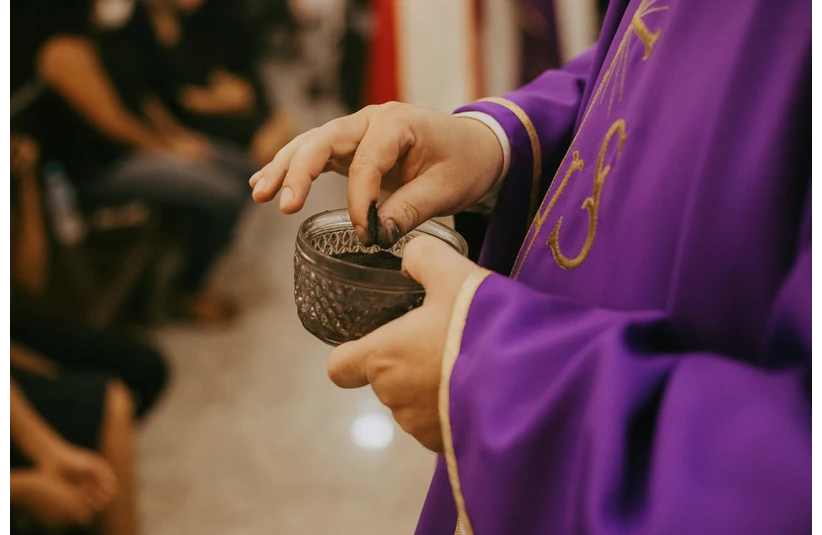
The meaning of these rituals is to prepare for the Easter season. The meaning of getting ashes on your forehead is to remind Christians that they are mortal. They are meant to be a reminder. The modern practice of these rituals has developed over the centuries, and Ash Wednesday dates back to the 10th century.
How to Keep Your Lenten Promises
Here is some practical advice for you to keep faithful to what you promised to do during this season. First, take it day by day. It might seem overwhelming to think that the season is a 46 calendar day slog. Take it one day at a time. Second, if you falter, start over. There is no prohibition on restarting Lenten rituals. We are imperfect; failure is expected. Finally, if you need help, ask. There are experts, like Priests, who are there to help you. Their expertise will be freely given and could be quite helpful. One thing that happens in multiple Dioceses around the world is that the Sacrament of Reconciliation is offered daily.
Cultural Significance
These meanings and rituals are culturally significant. This is because starting Feb. 18, 2026, many Christians will perform them. It is also important to learn about what others are doing to promote understanding between those who have different beliefs.
Modern Relevance
The rituals and practices of Lent are modernly relevant because they begin tomorrow around the world. You will certainly interact with someone who is doing them if you are not doing them yourself. It is saying something that these rituals and practices have existed for such a long time.
Frequently Asked Questions
- This article is about the rituals and practices of the season of Lent, which starts Feb. 18, 2026, on Ash Wednesday.
- These rituals and practices date back more than 2,000 years to the time of Jesu,s though Ash Wednesday was first observed in the 10th century.
- Many world religions have periods of fasting.
Parting Shots
It is important to understand what Christians are doing during Lent. It is also important, if you are participating, to understand the advice that is given here. In short, there are people to help you, and you should not get discouraged. Take Lent day by day, and view it as a chance for daily improvement, instead of a forty-day block.
Disclaimer: This article contains a summary of the practices of Lent as well as interpretive insights from the author. Interpretations of church teachings can differ, and this piece represents one approach.
