

Exodus 13–14: Moses Parts the Red Sea and the Israelites Escape Egypt

Exodus chapters 13 and 14 contain the story of the Israelites’ freeing Egypt, after the Pharaoh finally released them, and the parting of the Red Sea by Moses and God.
Also in these chapters of Exodus is the story of the Egyptians pursuing the Israelites, and catching them by the shore of the Red Sea. Moses extends his hands, after being told to do so by the Lord, and the Red Sea collapses on the Pharaoh and his fleet of 600 chariots. Do you think this is one of the most important chapters in the Bible?
Exodus 13-14 Summary
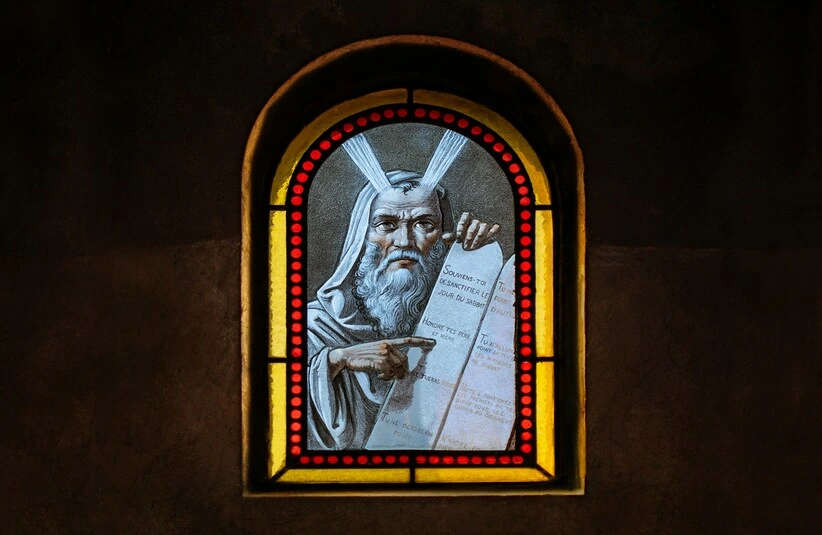
Published on November 10, 2023
NIKON CORPORATION, NIKON D500
Free to use under the Unsplash License
Chapter 13 of Exodus starts with the Lord telling Moses that the Israelites should consecrate their firstborn (and the firstborn of their beasts) to the Lord. This is in thanksgiving for the Passover discussed in chapter 12 of Exodus. The rest of chapters 13 and 14 have to do with the Jewish people leaving Egypt and the pursuit (and eventual death) of the Egyptians.
The Pharaoh agrees to let the so-called Sons of Israel go. They followed the Lord over land, wildness and to cross the Red Sea. The latter sets up one of the more dramatic moments in the entire Bible. The Lord precedes the Israelites in the daytime as a cloud and in the nighttime as fire. God was clearly setting something dramatic.
When the Israelites get to the Red Sea, the Lord tells Moses to raise his hands, and the Red Sea parts. The Israelites use the parted Sea to leave Egypt. We are told in Exodus that the Israelites were pursued by the Egyptians. The Pharaoh eventually catches them at Pi Hahiroth. The Israelites panic, but the Lord has something in store for them.
When the Egyptians follow the Israelites into the Red Sea, Moses drops his arms, and the sea collapses on the pursuing Egyptians. The flood kills the Pharaoh and his 600 pursuing chariots. The Israelites see the bodies of the dead Egyptians and believe in Moses and God.
H2: Devotionals & Expressions of Faith (Optional)
It is ironic that the Israelites saw the dead Egyptians by the shore of the Red Sea and believed in Moses and God. This is ironic because in just the next chapter, the Israelites are going to grumble at Moses because they are hungry. They are also going to build and worship a golden calf; remember, they were freed from slavery to worship God.
Symbolism & Meaning
This episode is symbolic and meaningful. God is demonstrating his omnipotence to everyone again. What God is showing the readers of this chapter of Exodus is that they should fear his power.
Cultural Impact
The cultural relevance of these chapters of the books of Exodus is that God promised them they would find a home in the Land of Canaan (Israel). He said they would inherent a land of milk and honey. When one considers all of the political problems with the State of Israel today, one can get a sense of the cultural impact of the Jewish people fleeing Egypt.
Frequently Asked Questions
The topic of these chapters of the book of Exodus is the Jewish people leaving Egypt and God parting the Red Sea through Moses. Then we learn the Egyptians are killed when the Red Sea collapses on them. This story comes from the book of Exodus in the Bible. This event is important today because God promised the Jewish People the land of Israel. This is the current Israeli state.
Parting Shots
The parting of the Red Sea is important because the Jewish slaves were finally given their freedom and fled Egypt, following the Lord, to the Red Sea, which he parted. The Jewish people were pursued by the Egyptians, who were killed when the Red Sea collapsed on them. This is the beginning of a very interesting journey for Moses and the 600,000 Israelites who were traveling with him.
