

Exodus 12: The Passover and the Meaning Behind the First Passover Lamb and God’s Protection

Exodus chapter 12 is one of the most meaningful chapters in the Bible. In this chapter, God instructs Moses to tell the Israelites to slaughter a lamb, eat it, and brush its blood on their door frames. The angel of the Lord will bring death to all the firstborn sons of Egypt, but pass the Israelites by.
The Pharaoh, who had a son who died, finally relented and reluctantly let the Jewish slaves go. There were 600,000 of them, and they were captive for 430 years. Did you think the Pharaoh would let the Jewish slaves go?
Exodus Chapter 12 Summary
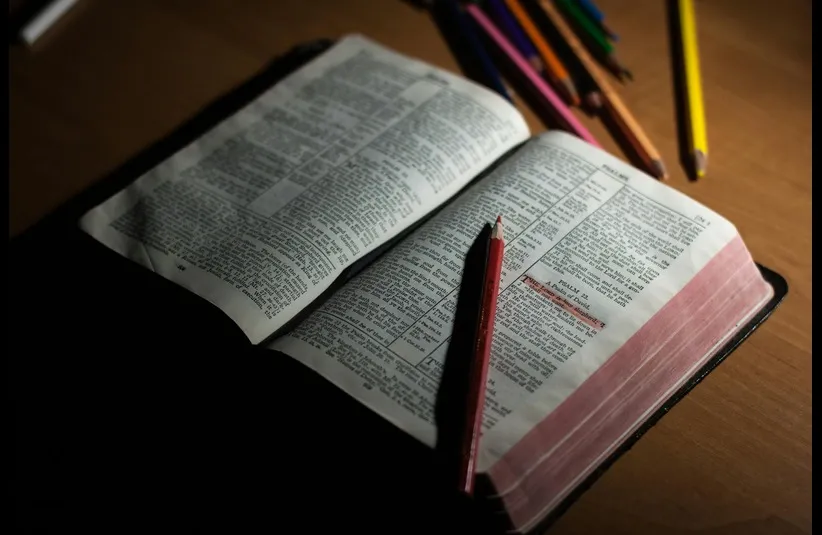
This chapter of Exodus begins with God giving Moses lengthy instructions on how the Israelites were supposed to act to avoid the death of their firstborn children. God says the Israelites were supposed to take a lamb into their home for a week, and then slaughter it. They were to paint the blood of the lambs on their doorframes and eat the Lamb. The angel of the Lord would see the blood on the door frame and pass by that home. This is the passover.
God told Moses, and then Moses told the elders of the Israelites. Lambs, we are told in the book of Exodus, were sacred to the Egyptians. So, the Israelites slaughtering them and painting their door frames with the blood of the Lamb is significant. The Pharaoh, whose own son died, finally relented and let the Jewish slaves go.
Amazingly, it took such a severe plague to move the Pharaoh. All that had to happen was that his son had to die. Exodus chapter 12 is a long and complex chapter, but it ends there with the Pharaoh freeing the Israelite slaves.
H2: Devotionals & Expressions of Faith
The Israelites show great faith in God by following instructions in what must have been a very scary moment. There is the question of whether this severe plague is just. God is always just, so this plague is just. God, through Moses, warned these Egyptians time and time again.
H2: Symbolism & Meaning
There is great symbolism and meaning in this chapter of Exodus. The Israelites were instructed to take the lamb into their homes for one week before slaughtering it. The week is a parallel to Holy Week. That is not all. The Lamb is Jesus. Eating it and using its blood perfectly foreshadows Christians receiving communion, something that happens thousands of times a day.
H2: Modern Relevance
Because the Passover is a reflection of holy communion, it is relevant to modern times. People receive communion thousands of times each day. Also, this event, the Passover, is still celebrated by the Jewish people. This is also an example of modern relevance from this twelfth chapter of Exodus.
Comparisons Across Religions
Notice that we have here two major world religions, Judaism and Christianity, both viewing this chapter of Exodus as extremely important. This fact cannot be stressed enough. For Christianity, the Passover neatly and completely summarizes communion.
Frequently Asked Questions
The topic of this chapter of Exodus is the death of the firstborn sons of Egypt and the Passover of the angel of the lord of the houses of the Jewish slaves. This story originates from the twelfth chapter of the book of Exodus. The story is very significant to two world religions, this, and the facts that both the Passover is still celebrated in Judaism, and the story foreshadows the communion that Christians take are what makes this chapter important today.
Parting Shots
It only took ten plagues and the death of his son for the Pharaoh to relent and free the Jewish slaves. Of course, the story is just starting for Moses and the Jewish people, but what happened in this chapter is highly meaningful. The Passover is still celebrated, and the event perfectly predicts the holy communion received every day by Christians.
Disclaimer: This article contains a summary of Exodus as well as interpretive insights from the author. Interpretations of biblical texts can differ, and this piece represents one approach to understanding the passage.
