What You Should Know About Palmistry: A Comprehensive Guide

Palmistry is making a serious comeback. You’ve probably seen it all over TikTok—people reading their lifelines, comparing heart lines, or breaking down hand shapes like it’s a personality test. And it’s not just for fun. As more folks lean into astrology, tarot, and other spiritual tools, palmistry is getting a fresh wave of attention. But this isn’t some new trend—it’s an ancient practice with roots going back thousands of years.
Palmistry’s Ancient Roots and Global Journey
Before it became a TikTok obsession, palmistry was passed down through generations across multiple cultures. It’s believed to have started in ancient India more than 3,000 years ago, as part of a system called Samudrika Shastra—basically the study of how body features can reveal inner traits. From there, it traveled through China, Egypt, and Greece, picking up new meanings along the way.
Even Aristotle reportedly came across a palm-reading text and handed it off to Alexander the Great, who used it to size up his commanders. That’s right—hand reading as a leadership tool.
In Europe, the practice spread largely through nomadic communities and eventually became popular during the Renaissance. It went through cycles of backlash and revival, but it never fully disappeared. Over time, palmistry evolved into both a mystical art and a kind of folk psychology—used for everything from matchmaking to career advice.
And now? It’s back in the spotlight, just with a filter and trending audio.
How Palmistry Works—and Why It Still Resonates
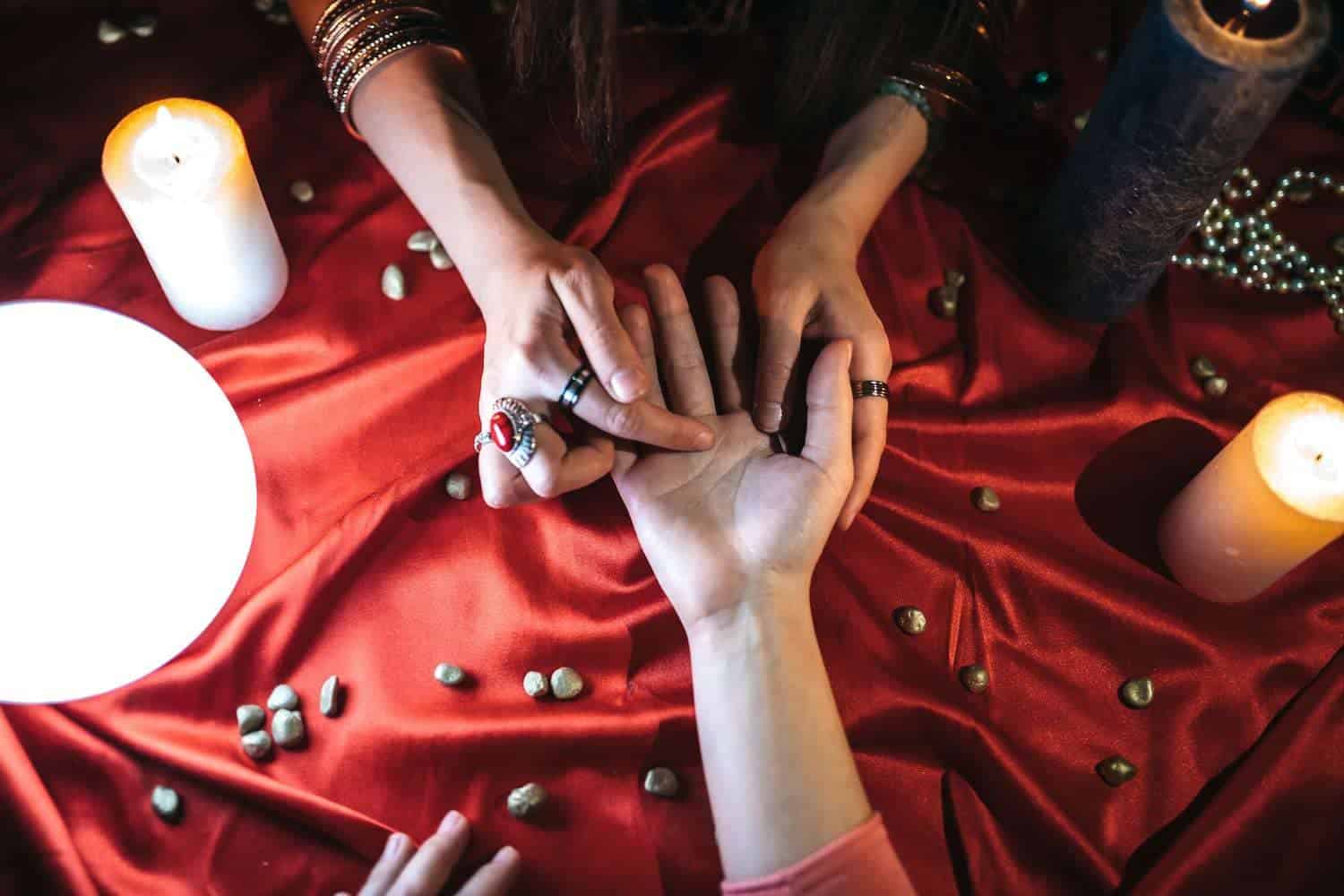
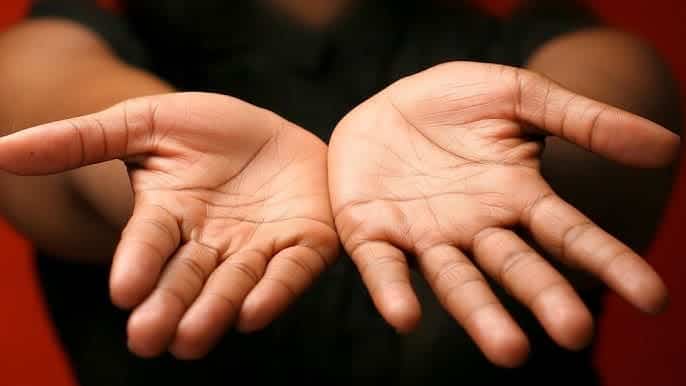
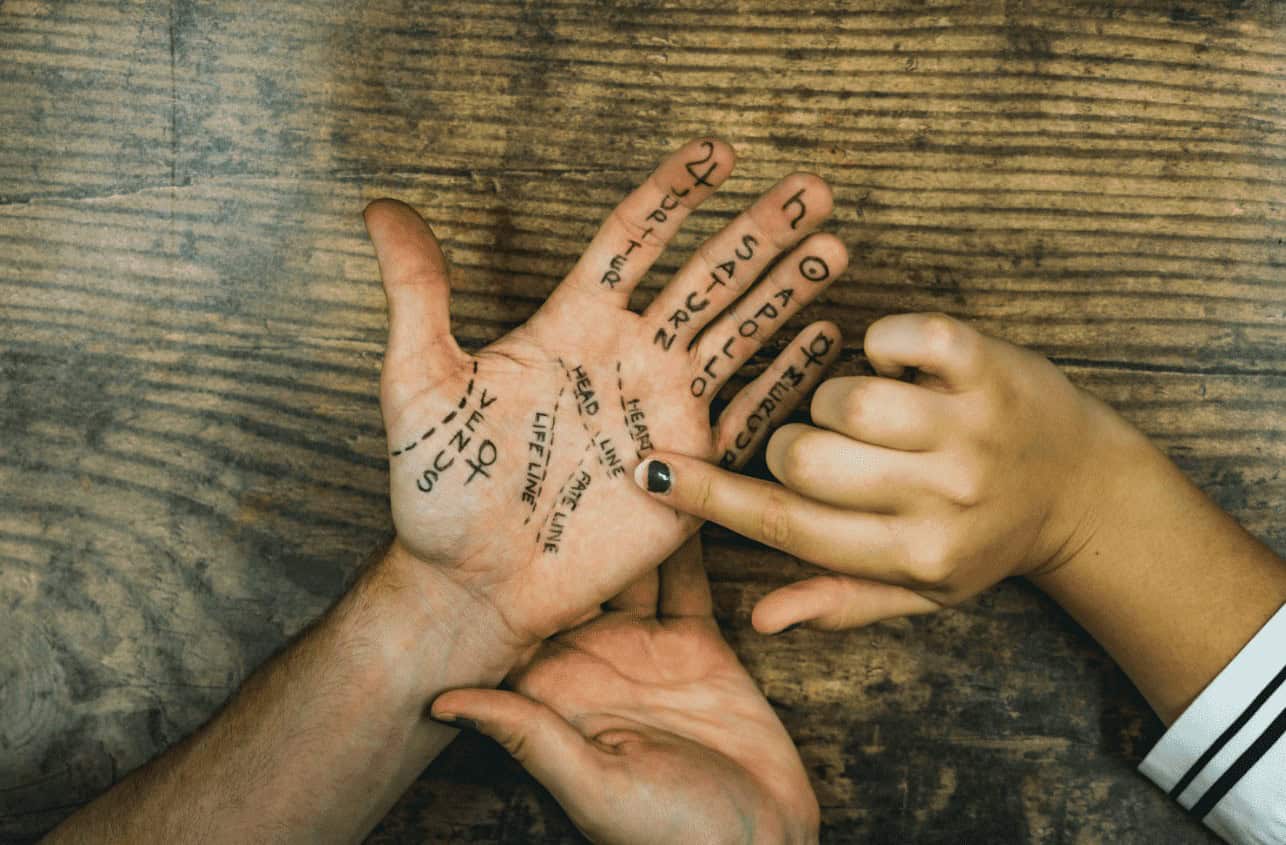
At its core, palmistry is all about reading the hand—but it’s not just about lines. Readers look at the shape of your hand, the length of your fingers, and specific features like mounts (the padded areas under each finger). Then come the three main lines most people know: the lifeline, the heart line, and the headline. Each one is thought to reveal something about your vitality, emotions, or mindset.
Depending on who you ask—and where they’re trained—the interpretation can shift. Western palmistry tends to focus more on character traits and psychology, while Eastern traditions (like Indian or Chinese palmistry) may tie the hand’s markings to fate or energy flow. Some palmists also factor in whether you’re reading your dominant hand (for the present) or non-dominant (for potential or inherited traits).
But modern palmistry? It’s not about fortune-telling anymore. It’s more like a mirror—something people use for self-reflection, personality insight, or even guidance when making big life choices.
Thanks to apps and viral explainers, palmistry’s gone from mystical to mainstream. It’s easy to access, easy to try, and—let’s be honest—kinda fun to talk about at parties. In a time when everyone’s glued to screens, the act of physically reading your palm feels grounding. It’s tactile, personal, and weirdly meditative.
Honestly, with digital burnout on the rise, don’t be surprised if more people start turning to analog tools like this—not just for answers, but for a little peace of mind.
So… Should You Read Your Palm?
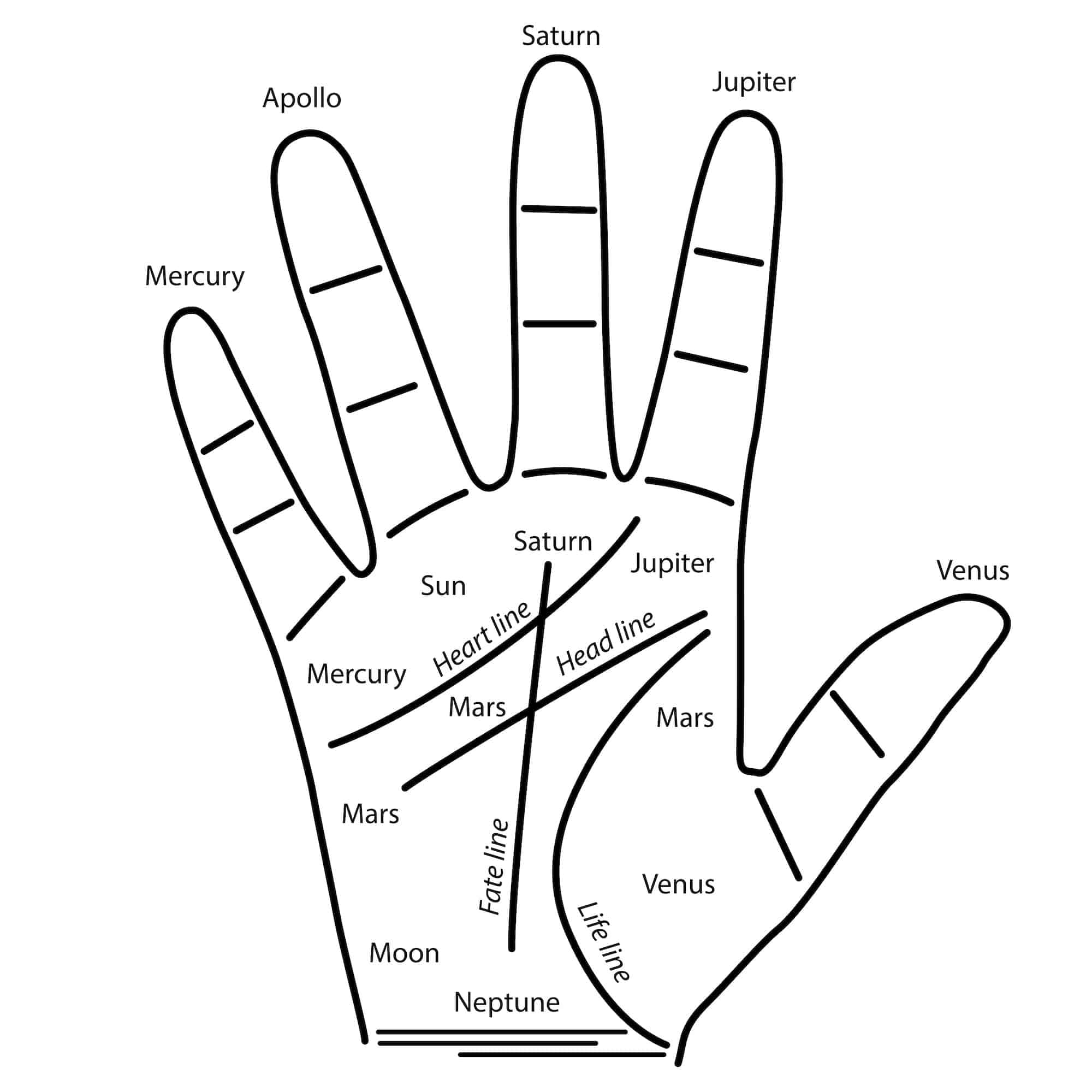
Whether you see it as a legit self-discovery tool or just a fun way to kill time, palmistry clearly isn’t going anywhere. It’s survived thousands of years, crossed continents, and now it’s thriving on your For You Page. And maybe that’s the point—there’s something timeless about wanting to understand ourselves a little better, one line at a time.
Curious about what your own palm says about you?
Check out our palm line deep dive to start reading your own hand. Or take a look at our free daily tarot card reading if that’s more your vibe.
Want to go deeper? Here’s more on the cultural rise of palmistry and how it’s being used today: