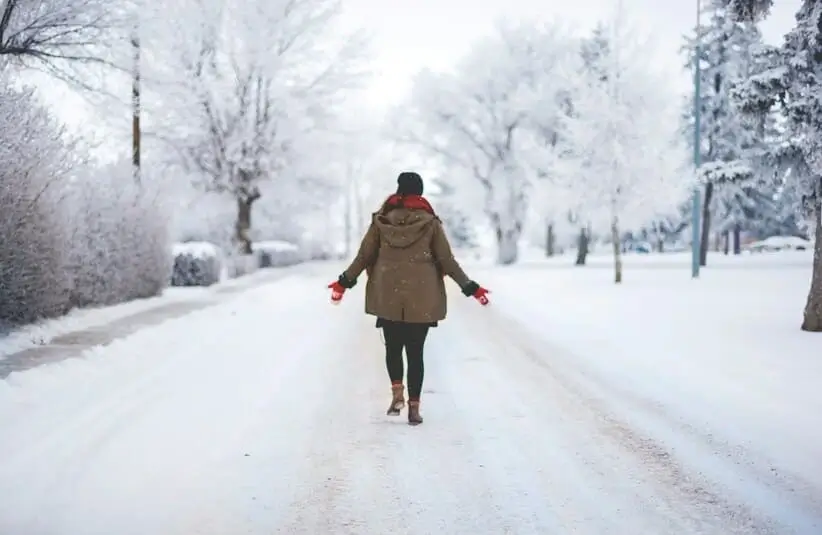
When snow starts falling and temperatures drop, the biggest risks often come down to basic preparation, not just how extreme the weather gets. The Centers for Disease Control and Prevention says cold-weather injuries like hypothermia and frostbite usually stem from accidents, sudden weather shifts or being caught unprepared, rather than only from Arctic conditions. That guidance matters for anyone checking the forecast ahead of a snow and cold weather safety plan this season, whether they are shoveling a driveway, commuting or heading outdoors for recreation.
What Does The CDC Recommend For Dressing In Cold And Snow
The CDC advises wearing multiple loose layers of light, warm clothing rather than one heavy coat, along with mittens, a hat and a scarf. Loose layering traps warm air near the body while still allowing adjustments as conditions change.
Gear should match the specific activity and climate. They specifically note that anyone in or near cold water should wear a wetsuit thick enough to prevent hypothermia, since water activities carry their own heat-loss risks separate from dry cold.
Staying dry is just as important as staying warm. The body loses heat quickly once it gets wet, whether from rain, melting snow or sweat built up during physical activity. That is why the agency recommends shedding a layer before sweat soaks through clothing during exertion like shoveling or hiking in the snow.
How Can You Tell The Body Is Losing Too Much Heat
Shivering is the body’s early warning system. The CDC identifies it as one of the first signs that body heat is dropping, and says constant shivering is a signal to get indoors and warm up rather than push through it.
Hypothermia does not require extreme cold to develop. It can occur even at temperatures around 50 degrees if someone becomes chilled through rain, sweat or cold water, and it can set in quickly once a person is wet, even in relatively mild conditions.
When Does Hypothermia Require Medical Attention
The CDC sets a clear benchmark: if body temperature drops below 95 degrees, or if other symptoms of heat loss appear, a person should seek medical attention immediately. That threshold applies regardless of how warm the air temperature outside feels.
If medical care is not immediately available, warm beverages can help raise body temperature in the meantime. That guidance is framed as a stopgap, not a substitute for professional care once it is accessible.
What Are The Early Signs Of Frostbite
Frostbite happens when skin is exposed to freezing temperatures, and the CDC describes it as treatable but capable of causing serious damage to tissue layers beneath the skin if it goes unaddressed. The areas most exposed to wind and cold, like fingers, toes, ears and the nose, are typically where it shows up first.
The earliest signs include numbness, tingling, stinging or pain in those exposed areas. Those sensations are worth taking seriously before they progress, since frostbite can affect tissue beneath the surface even when the skin itself still looks normal.
What This Means For Anyone Heading Out In The Snow
The throughline in CDC guidance is that cold-weather injuries are largely preventable with the right clothing, staying dry and paying attention to early symptoms. Snow and freezing temperatures do not have to mean a trip to the hospital, but ignoring shivering, numbness or a drop in body temperature raises that risk.
Anyone planning time outside in winter weather can check current guidance through the CDC’s cold weather travel guidance before heading out, especially when forecasts call for extended exposure or water activity in freezing conditions.
More Health & Wellness news from Total Apex Entertainment.
 Don't stop here
Every Score. Every Story. One Home.
Breaking sports, entertainment and news from across the Total Apex network, updated all day.
Get the Full Story →