


Winter has a way of creeping into every part of our lives—our routines, our energy levels and especially our skin. People develop skin fatigue, characterized by tightness, when they enter indoor heating systems that start operating during the winter months. People experience skin fatigue due to environmental stress, which can cause this condition across different seasons. Winter air dries out the skin, damaging the barrier and disrupting the body’s natural processes that maintain skin brightness and strength.
People develop skin fatigue during winter because they experience less sunlight, which interrupts their sleep patterns, while they should maintain proper hydration levels. The first step to restoring your skin’s glow and energized state requires you to understand how this seasonal change operates.
What Exactly Is Winter Skin Fatigue?
The Biological Slowdown Behind Dullness
Winter skin fatigue shows how our skin develops its appearance through this process, which serves as a distress signal. The skin loses hydration through its outer layer because cold air contains reduced moisture levels. The skin barrier breakdown results in skin dehydration, which produces dry skin, flaking, and loss of skin brightness. Diminished sunlight leads to decreased Vitamin D production, while it also slows down cell turnover, which creates an appearance of fatigue and dullness.
How Indoor Heating Intensifies Skin Fatigue
While cold outdoor air remains the primary cause of skin fatigue, indoor heating adds its own strain. The skin loses moisture to heated air, which creates extremely dry conditions that extract moisture from skin surfaces at an increased speed. The skin struggles to maintain its natural state because it must deal with continuous temperature changes between cold outdoor conditions and warm indoor environments. Skin barrier function declines over time due to stress, leading to increased skin vulnerability to both irritation and dehydration.
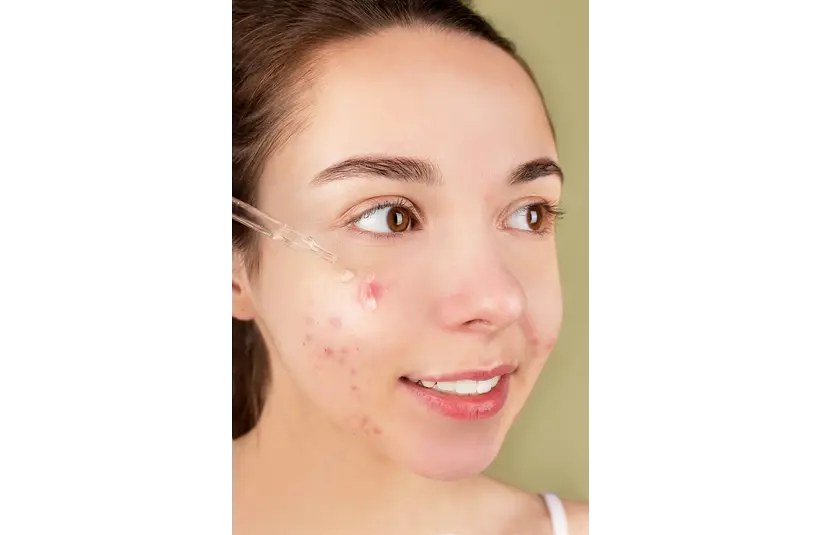
Courtesy Pexels
The Hidden Cause
Reduced Circulation in Cold Weather
Cold temperatures cause blood vessels to narrow as a natural response to cold weather. The body uses this mechanism to maintain its internal temperature, but this process results in decreased blood flow to the body’s outer layer. The skin receives diminished blood circulation, which results in decreased delivery of essential materials to the skin and subsequent oxygen deficiency, which creates the appearance of exhausted skin. The body experiences decreased blood flow, which hampers the natural healing abilities of the skin.
Lower Humidity Levels and Moisture Loss
Humidity exists at low levels during the wintertime, which affects both indoor spaces and outdoor areas. The skin loses moisture when air becomes dry, which results in moisture being lost from the body through a phenomenon known as transepidermal water loss. Dehydrated skin loses its ability to maintain smoothness and brightness because this condition represents the primary reason why skin fatigue develops.
Lifestyle Factors
People develop new habits during the wintertime, which results in increased skin fatigue. The shorter daylight hours lead people to reduce their water intake while they stay indoors, and disrupt their sleep schedules. The consumption of comfort foods that contain high levels of sugar and salt leads to negative consequences for the skin, which affects both its moisture levels and its overall health. All of these elements combine to form an ideal situation for winter-related skin fatigue to develop.
How to Combat?
Skin Barrier Strengthening
A strong skin barrier is the body’s first line of defense against skin fatigue, so it requires ongoing support. The combined action of ceramides, hyaluronic acid, and squalane creates a cohesive system that restores moisture while reinforcing the barrier itself. When the barrier stays intact, the skin is better able to resist winter dryness, maintain healthy function, and retain a vibrant, well‑rested appearance.
Hydration
Internal body hydration needs to be increased by drinking water during cold weather. The skin requires hydration to function properly, while hydration counteracts the dryness that results in skin fatigue. The body can maintain its moisture balance by consuming herbal teas and water-rich foods and drinks that contain electrolytes.
Natural Glowing Skin Result
The combination of facial massage, warm compresses, and outdoor walking creates a simple way to enhance blood circulation. Better blood flow delivers nutrients to the skin and helps reduce the appearance of skin fatigue, giving your complexion a healthier, more vibrant look.
Using Humidifiers to Restore Moisture
The simplest method to reduce skin fatigue involves adding moisture back into your environment. A humidifier maintains indoor air humidity at optimal levels, which helps the skin maintain proper hydration. Your skin will experience improved sensations and visual appearance from this minor adjustment.
The winter season causes skin fatigue because of its harsh environmental conditions, yet people can maintain their natural beauty throughout this time period. You can maintain skin protection and hydration restoration, and a wintertime healthy glow through scientific knowledge and small changes to your daily activities. Your skin will remain vital and strong and perfectly radiant throughout the coldest winter days with proper skin treatment.
 Don't stop here
Every Score. Every Story. One Home.
Breaking sports, entertainment and news from across the Total Apex network, updated all day.
Get the Full Story →


